You can buy more leads tomorrow morning. That is the easy part.
The hard part is what happens after the form fires or the phone rings. If nobody answers, if source gets written as "Website," if your CRM and Google Ads disagree, you will keep funding noise.
I spend most of my time on that middle layer for owners and marketing teams. CRM, tracking, ads, SEO, and the wiring between them. This is the order I use when a local business wants more booked work without lighting money on fire.
Start where customers already look
People with an urgent problem open Maps first. They skim photos. They read the last five reviews. They glance at hours and whether you serve their zip.
Your Google Business Profile is not a side project. It is the front door. Update it when services change. Add real job photos. Reply to reviews like a person, not a template farm. Ask for reviews after jobs that went well, every week, not twice a year.
Thin reviews do more damage than you think. Prospects who arrive from ads still check Maps before they call. And assistants that answer "who should I hire near me" lean on public proof. If the proof is thin, every paid click works harder than it should.
Speed is a marketing channel
A water heater leaking into a garage does not wait for your afternoon callback block.
Train the team on a simple rule. Missed call means a return call inside a few minutes. Texts are fine. Voicemail that sits until tomorrow is how the neighbor's company gets the job.
When call volume jumps, add intake that works when humans cannot. AI or after-hours routing is fine if every conversation lands in the CRM with a real source and a next step. Empty calendars are worse than imperfect automation.
Measure jobs, not vanity leads
A $12 lead that never books is more expensive than a $90 lead that becomes a paid job.
Rebuild reporting around cost per booked job and cost per paid job by channel. Google Ads. Local Services. Meta. Marketplaces. Referral partners. If a channel looks cheap on leads and ugly on booked work, cut it.
A pixel on the thank-you page is not a measurement plan. You need source capture that survives the phone, status rules that kick out cancelled work, and a way to send closed revenue back to the platforms. Otherwise the algorithm keeps chasing form fills.
If you run field software like Workiz and still paste exports into a spreadsheet each month, that gap is usually where the story goes wrong. Details on fixing that pattern: https://smartmetrics.com/services/workiz
Content that matches panic searches
SEO for local service is not thought leadership. It is pages that match what people type when something fails.
Different shape than the usual list. Think:
- breaker keeps tripping after I run the microwave and the vacuum
- how long can I wait with a slow roof leak before it hits drywall
- junk haul same day for a garage cleanout in [city]
- new furnace install cost vs repair when the unit is 15 years old
Ship service pages and city pages that tell the truth about price ranges, timelines, and what you need from the customer. Keep publishing when the trucks are busy. The shops that "tried SEO" usually published for three weeks, got quiet, and quit right before the pages would have compounded.
AI can help you draft and stay consistent. A human still owns accuracy, local proof, and the offer. Automate the blank page problem. Do not automate trust.
Pick channels on purpose
Near-term demand usually sits in Google search and Local Services when someone needs help today.
Marketplace posts and short local video help some trades get discovered earlier, especially when you show real trucks, real jobs, and city language. Directories and solid local roundups still matter for presence.
None of that replaces a tracking number or a CRM field that tells you which path produced paid work. If the office cannot mark booked vs not booked, you are guessing with a nicer UI.
Separate fast work from fat margin
A repair ticket can close the same day. A full replacement can take longer and pay better.
If reporting mixes them, you will overfund the channel that brings quick repairs and starve the one that brings installs. Or the reverse. Split the funnel. Budget for the mix you actually want.
A clean sequence that works
- Make Maps and reviews trustworthy
- Fix answer speed and missed-call follow-up
- Turn on paid demand only with booked-job tracking
- Put leads into a CRM people actually use
- Grow SEO so you buy fewer clicks over time
- Connect closed jobs back to ads and keep the tools in sync
Skip steps and you get the familiar pattern. Busy dashboard. Soft pipeline. Owners who swear "marketing does not work."
Where I come in
Most of the time the tactics are not the mystery. The stack is.
Ads talk to one number. The phone talks to another. The CRM drifted six months ago. Reporting cannot explain which dollar produced a paid job.
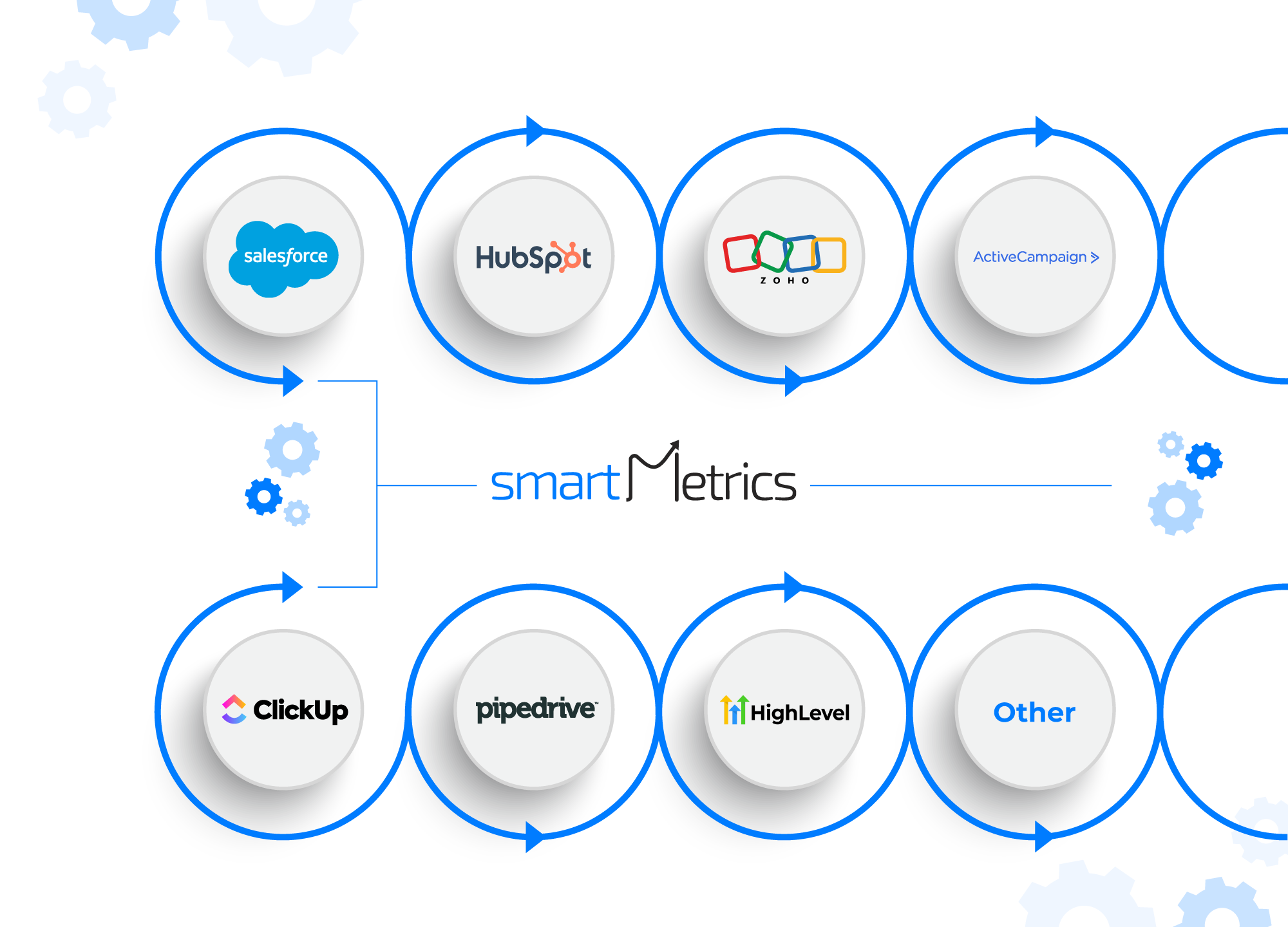
That is what I build and fix at SmartMetrics. CRM audits and rebuilds. Attribution from spend to booked and paid work. GA4, GTM, and server-side tracking. Marketing and SEO tied to revenue. AI intake and follow-up that still write clean records.
Send me your current setup. Ads accounts, CRM, phone tools, field software. I will tell you what is drifting and what to fix first. Quote in a day. You work with me directly.
https://smartmetrics.com/ Home builders: https://builders.smartmetrics.com/ Zoho-heavy shops: https://smartmetrics.com/services/zoho

 Gray Digital Group
 Blitzy
 PermitFlow
 Dj Haer Jr