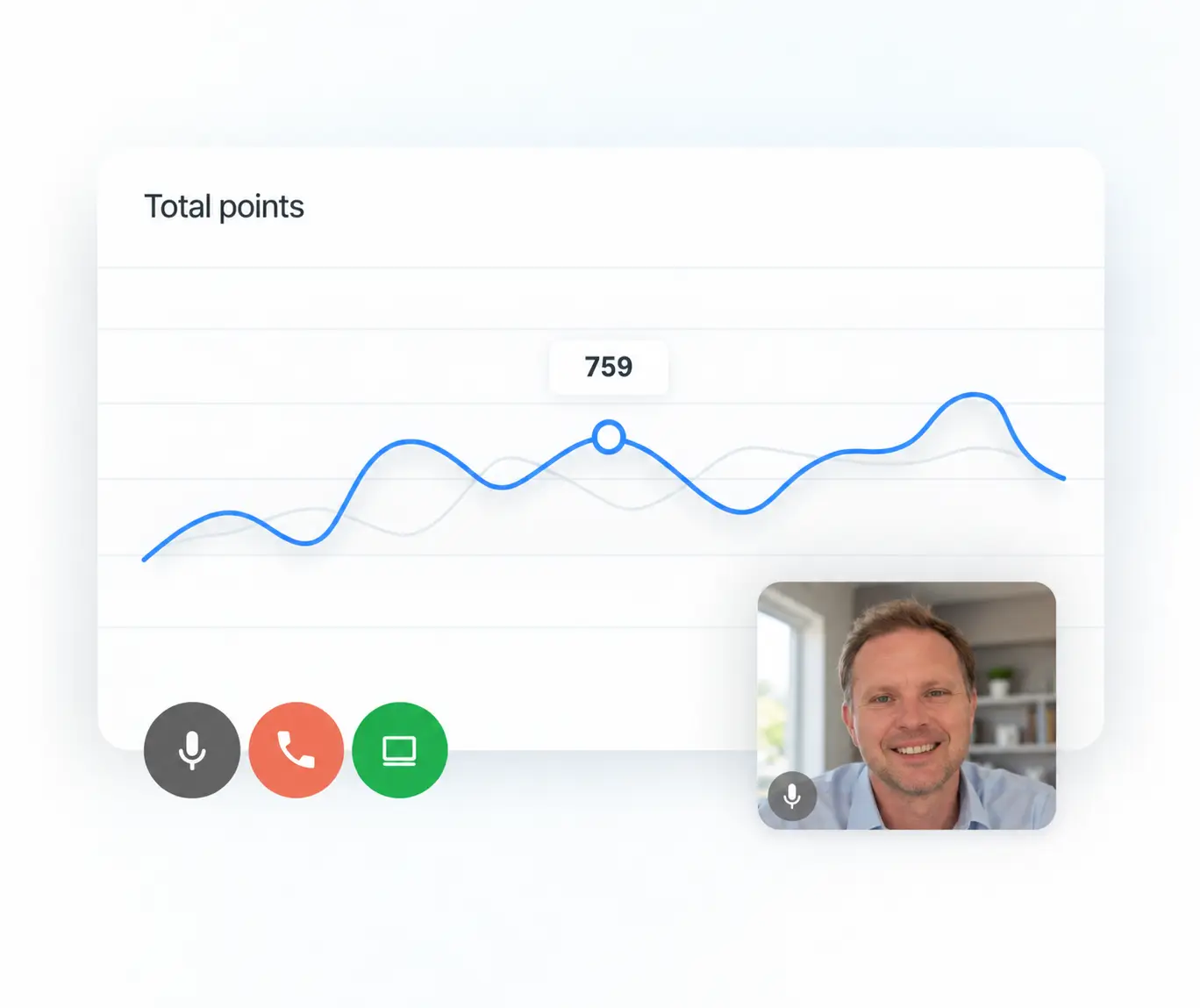
Aggregated data plays a critical role in demonstrating the value of marketing efforts to clients. By combining results from various channels and metrics into a single, simplified view, clients can easily see whether their goals are being met. This article explores the importance of aggregated data and how it helps clients make informed decisions.
Understanding Aggregated Data
Aggregated data is the process of combining data from different sources to provide a comprehensive overview. This data is crucial for clients to understand the overall impact of their marketing strategies.
- Provides a holistic view of marketing performance
- Simplifies complex data into digestible insights
- Helps identify trends and patterns across different channels
Benefits of Aggregated Data for Clients
Clients benefit from aggregated data in several ways, enabling them to make better decisions and optimize their marketing efforts.
- Easier to track progress towards goals
- Reduces time spent analyzing fragmented data
- Enhances strategic planning with comprehensive insights
How to Implement Aggregated Data Effectively
To utilize aggregated data effectively, follow these steps to ensure it provides maximum value to clients.
- Step 1: Identify key metrics and data sources relevant to client goals.
- Step 2: Use data aggregation tools to combine data from various channels.
- Step 3: Present aggregated data in a clear, visually appealing format.
- Step 4: Regularly update and analyze aggregated data to track progress and adjust strategies.
Common Mistakes to Avoid
While using aggregated data, it's important to avoid certain pitfalls that can lead to misinterpretation or inefficiencies.
- Overlooking the importance of data accuracy and quality
- Failing to align data aggregation with client objectives
- Ignoring the need for periodic reviews and updates



 Gray Digital Group
 Blitzy
 PermitFlow
 Dj Haer Jr