Most agency owners ask the same question at some point. Hire and train your own PPC team, or partner with a white-label provider and put your name on someone else's work?
Both can work. Both have real tradeoffs. The honest answer depends on what kind of agency you're trying to build and how much margin you're willing to trade for speed.
Here's how I'd think through it.
What white-label Google Ads actually is
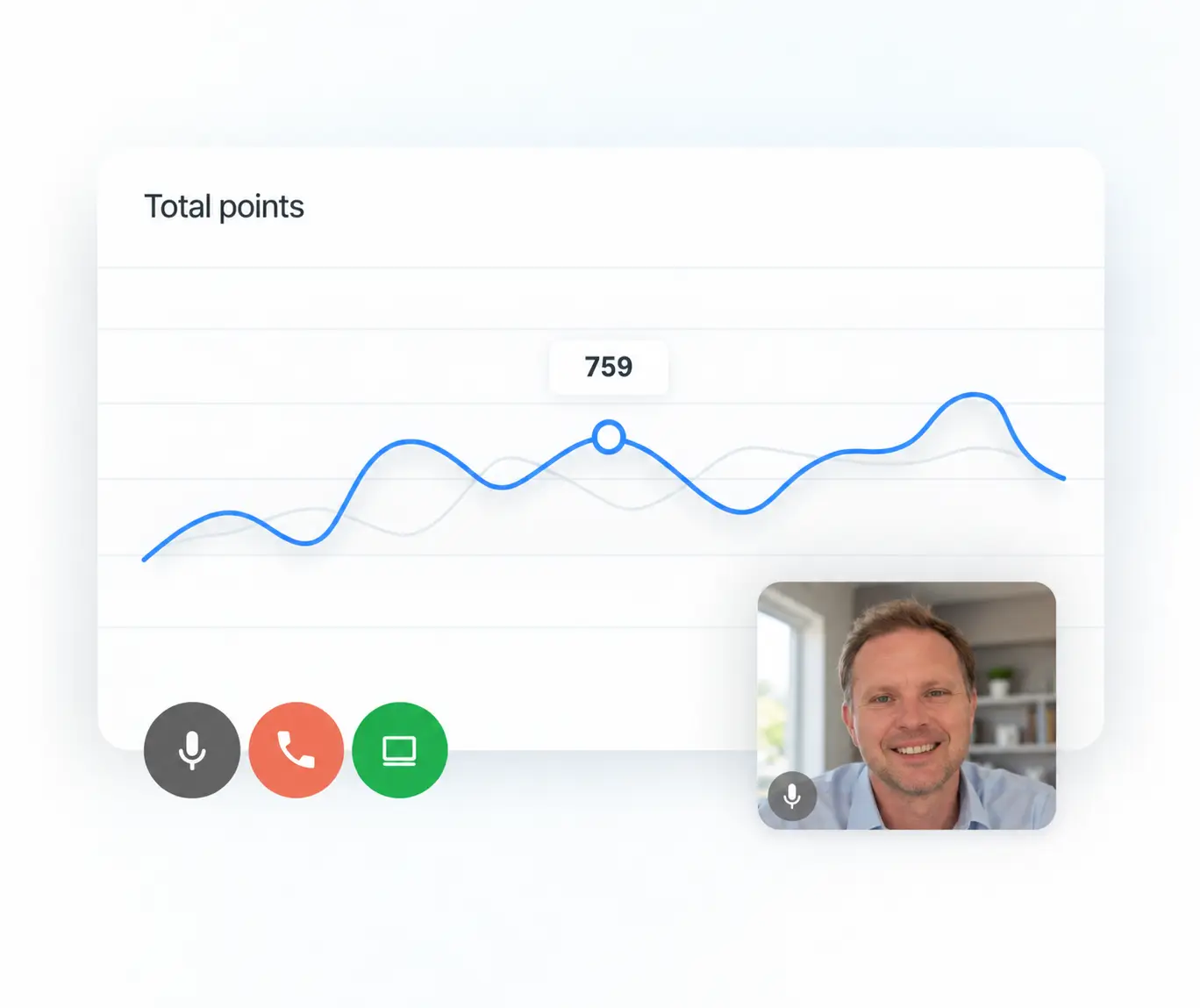
A white-label provider runs Google Ads campaigns for your clients while your brand stays on everything. They handle setup, copy, landing pages, optimization, and reporting. Your client sees your logo on the dashboard and your face on the call.
The pitch is simple. You sell PPC without staffing for PPC. Work gets done, your margins come from the markup, and you don't pay salaries in slow months.
The catch is also simple. You're trusting someone else with execution, and the quality of your service is now tied to theirs.
What is in-house actually?
Hiring in-house means PPC specialists on your payroll. Maybe a copywriter, maybe a designer, definitely someone running Google Ads day to day. You own the workflow, the strategy, and the client relationship end-to-end.
You also own the costs. Salaries, benefits, training, certifications, tools, and the slow weeks when nobody is billing. And the turnover. PPC people leave, and when they do, months of client context walk out the door with them.
The cost question
White label looks cheaper on paper because it's variable. You pay per account or per package, scaled to what you're actually selling.
In-house looks expensive at first, but the math changes at scale. A specialist with a full book of retainers can generate more margin than what you'd pay a white-label partner across the same accounts. The break-even point depends on your average retainer size, how many accounts one person can realistically handle, and how stable your pipeline is.
The hidden costs of going in-house that people forget:
- Recruiting and ramp-up before a new hire is productive
- Fixed the monthly tooling that doesn't flex when revenue dips
- One bad hire can cost more than a year of white-label fees
Scaling when you actually win new business
This is where white label wins clearly. Sign a new client on Tuesday, kick off campaigns on Thursday. No hiring, no panic, no scrambling for capacity.
In-house teams hit a ceiling. You can't stretch 30 hours of real work across 40 hours forever. When you grow fast, you either turn down work, burn out your team, or hire reactively and hope it lands.
Control and quality
In-house gives you full visibility. You can sit in on every call, review every change, and adjust strategy in real time. The downside is you only know what your team knows.
White label gives you scale and a deeper bench of expertise across more accounts. The downside is you're a layer removed from the work. When a client asks a sharp question on a call, you need a partner who can give you a real answer the same day, not a templated response forty-eight hours later.
The agencies that make white-label work treat the provider like an extension of the team, not a vendor.
Where SmartMetrics fits
I built SmartMetrics partly because I got tired of watching agencies pick between two bad options. Either model still needs the same tooling layer underneath:
- Branded client portals so your clients see your name, not anyone else's
- Real-time reporting dashboards, clients can log into anytime
- Project boards and onboarding, so nothing falls through the cracks
- Native integrations with Google Ads, GA4, Meta, and the rest of the stack
If you go white label, this layer keeps the client experience yours. If you go in-house, it keeps your team from drowning. We also run a separate done-for-you arm at hire.smartmetrics.com if you want us to actually manage the ads.
So which one should you pick?
If you're early, growing fast, or still testing whether PPC is a service you want to keep selling, start with white label. You'll learn what clients want before you commit a payroll line to it.
If you have predictable demand, enough volume to keep a specialist fully booked, and someone senior who can manage the team, in-house starts to make sense.
A lot of agencies end up running both. White label handles overflow and smaller accounts. The in-house team takes the bigger retainers and the strategy work.
If you want to see what the tooling layer looks like, you can start for free and poke around for as long as you need.


 Gray Digital Group
 Blitzy
 PermitFlow
 Dj Haer Jr