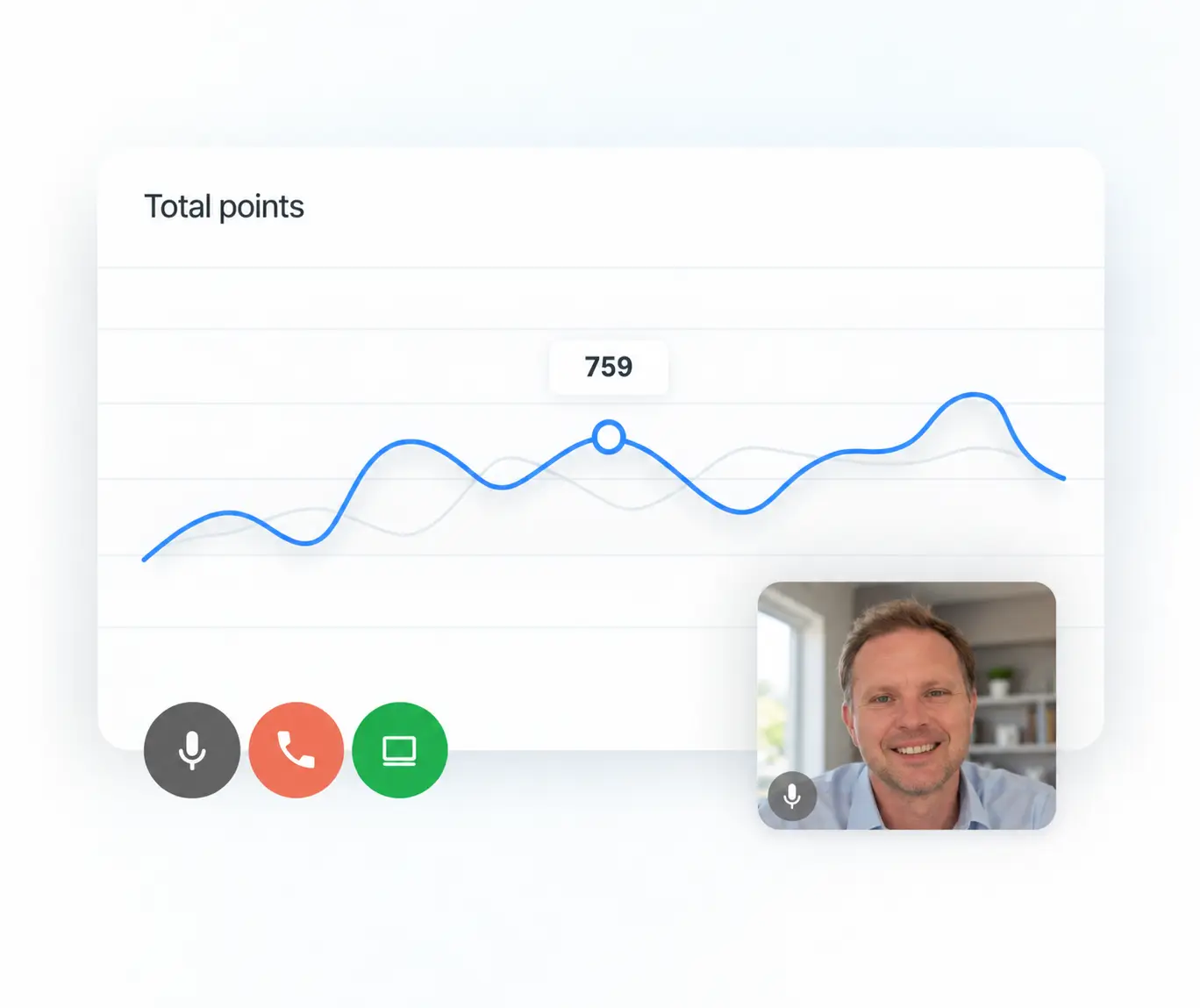
Engaged sessions are a critical metric for assessing user engagement on a website. Understanding how effectively your site captures user interest can directly impact conversion rates. High engagement metrics indicate valuable content, leading to better user retention and higher conversion events.
Why Engaged Sessions Matter
Engaged sessions serve as a vital indicator of how users interact with your website. Here's why they are important:
- Engaged sessions reflect the quality of user interactions.
- They provide insights into user behavior and preferences.
- High engagement is often linked to higher conversion rates.
How to Track Engaged Sessions
Tracking engaged sessions involves monitoring user interactions to gauge interest levels. Follow these steps to effectively track engaged sessions:
- Step 1: Implement analytics tools on your website to gather data on user interactions.
- Step 2: Define what constitutes an 'engaged session' for your site, such as time spent on the page or specific actions taken.
- Step 3: Regularly review and analyze the data to identify patterns and trends in user engagement.
Benefits of High User Engagement
Achieving high user engagement offers several benefits for your website and business:
- Improved user retention, as engaged users are more likely to return.
- Enhanced conversion rates due to increased interest in products or services.
- Valuable insights into content effectiveness and user preferences.
Best Practices for Enhancing User Engagement
To maximize user engagement on your site, consider the following best practices:
- Create high-quality, relevant content that resonates with your audience.
- Optimize website navigation to ensure ease of use.
- Encourage interaction through calls to action and interactive elements.
Common Mistakes to Avoid
Avoid these common pitfalls to maintain high user engagement:
- Ignoring mobile optimization, which can lead to poor user experiences.
- Overloading pages with ads or pop-ups, which can drive users away.
- Failing to regularly update content, leading to stale user experiences.



 Gray Digital Group
 Blitzy
 PermitFlow
 Dj Haer Jr