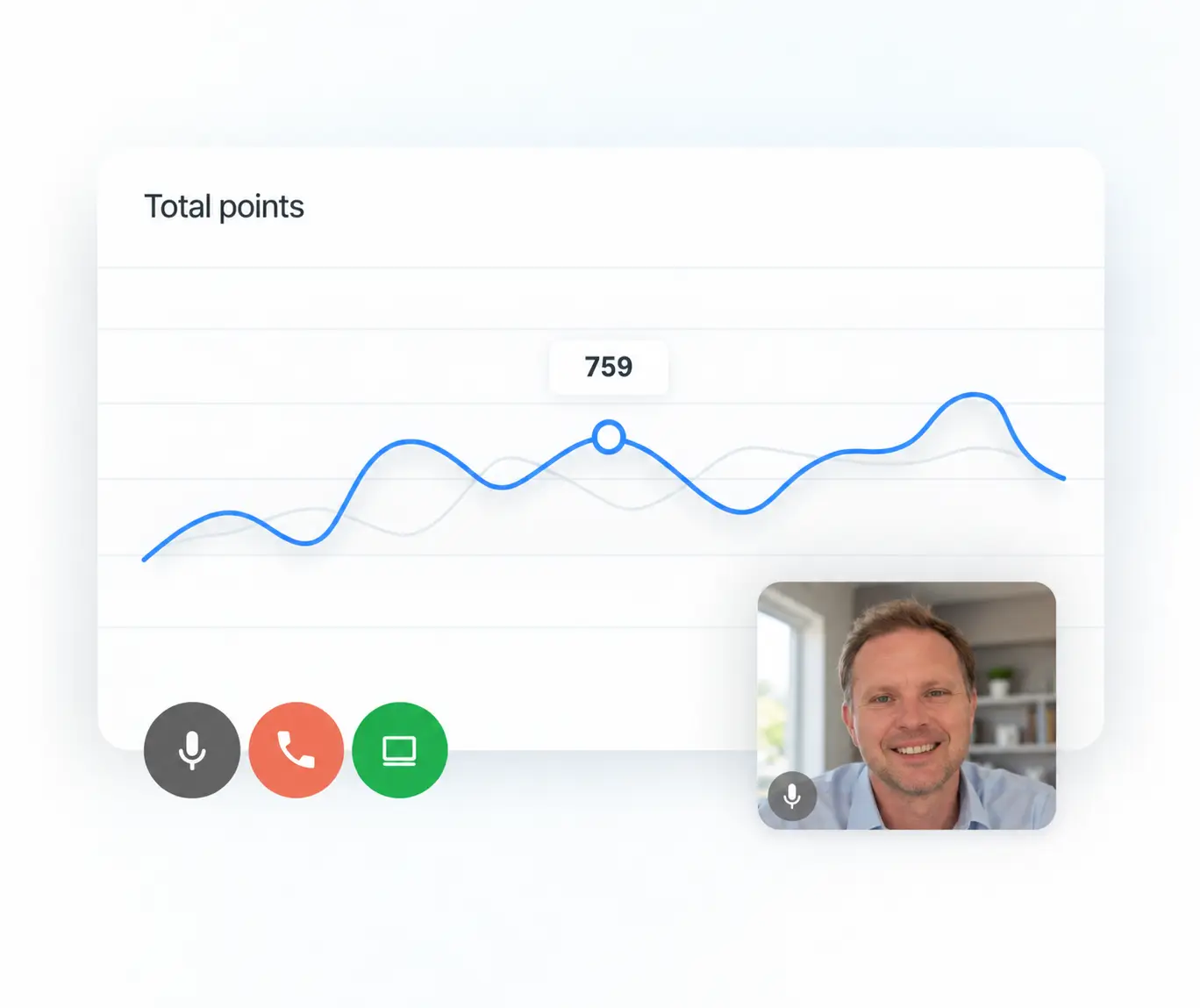
Bounce rate is a key performance metric that reveals the effectiveness of a website's content in engaging visitors. A high bounce rate suggests that visitors are leaving the site quickly, often because the content doesn't meet their expectations based on search results. Conversely, engaging content that aligns with visitor interests can lower the bounce rate, indicating a more successful website experience.
Key Factors Impacting Bounce Rate
Understanding the factors that affect bounce rate is crucial for optimizing website content and user experience.
- Content Relevance: Ensure that the content matches the search intent of visitors.
- Page Load Speed: Slow loading times can frustrate users, leading to higher bounce rates.
- User Experience: A well-designed, easy-to-navigate website encourages visitors to stay longer.
How to Reduce Bounce Rate
Implementing the following strategies can help reduce your website's bounce rate and improve overall engagement.
- Step 1: Optimize Content Quality – Ensure your content is informative, engaging, and relevant to the target audience.
- Step 2: Improve Page Load Speed – Utilize tools to analyze and enhance your website's speed, ensuring faster page loads.
- Step 3: Enhance User Experience – Design intuitive navigation and ensure the website is mobile-friendly.
- Step 4: Utilize Call-to-Actions – Engage visitors with clear and compelling call-to-action buttons that guide them through your site.
Best Practices for Content Alignment
Aligning your content with user expectations is essential for reducing bounce rate.
- Conduct keyword research to understand what your audience is searching for.
- Create content that answers common questions and solves problems for your audience.
- Regularly update content to keep it fresh and relevant.
Common Mistakes to Avoid
Avoid these common pitfalls to maintain a low bounce rate.
- Ignoring mobile optimization, which can alienate a significant portion of users.
- Overloading pages with ads, which can distract or annoy visitors.
- Failing to provide clear navigation paths, leading to visitor frustration.



 Gray Digital Group
 Blitzy
 PermitFlow
 Dj Haer Jr