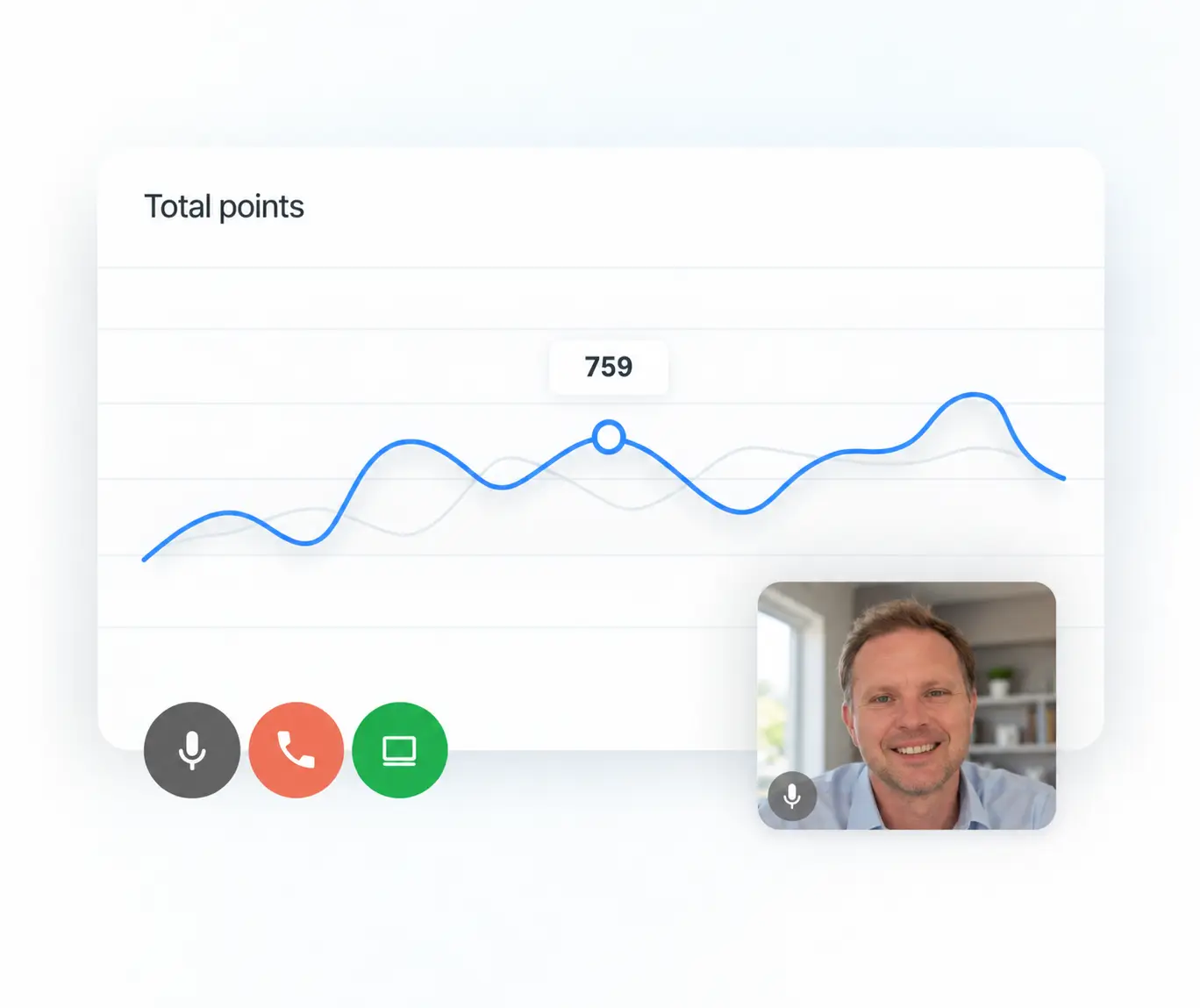
Aggregate data is a vital component in analyzing campaign performance, drawing from diverse sources such as clicks, impressions, conversions, and bounce rates. This comprehensive overview highlights the importance of aggregate data in providing insights that individual KPIs might overlook, thereby enhancing strategic planning.
The Importance of Aggregate Data
Aggregate data serves as an essential tool in summarizing campaign performance. By compiling data from various sources, it offers a holistic view that individual KPIs might miss.
- Provides a comprehensive summary of performance metrics.
- Highlights trends and patterns not visible in isolated data.
- Assists in making informed strategic decisions.
How Aggregate Data Enhances KPI Analysis
Understanding how aggregate data interacts with other KPIs can significantly impact your strategic planning and decision-making processes.
- Step 1: Identify the key performance indicators relevant to your campaign goals, such as click-through rates, conversion rates, and bounce rates.
- Step 2: Collect data from multiple sources to create a comprehensive dataset that reflects overall performance.
- Step 3: Analyze the aggregated data to identify trends and patterns that individual KPIs do not reveal.
- Step 4: Use insights from the aggregated data to refine strategies and optimize campaign performance.
Benefits of Using Aggregate Data
Incorporating aggregate data into your analysis provides numerous benefits, enhancing your understanding and effectiveness in managing KPIs.
- Improves accuracy by considering broader data sets.
- Facilitates better trend analysis and forecasting.
- Enables more strategic decision-making based on comprehensive data.
Common Mistakes to Avoid
When working with aggregate data, it's crucial to avoid common pitfalls that can lead to misinterpretation or ineffective use of data.
- Relying solely on aggregate data without considering individual KPI insights.
- Ignoring outliers that could skew the aggregated results.
- Overlooking the context in which data is collected, which might affect its interpretation.



 Gray Digital Group
 Blitzy
 PermitFlow
 Dj Haer Jr