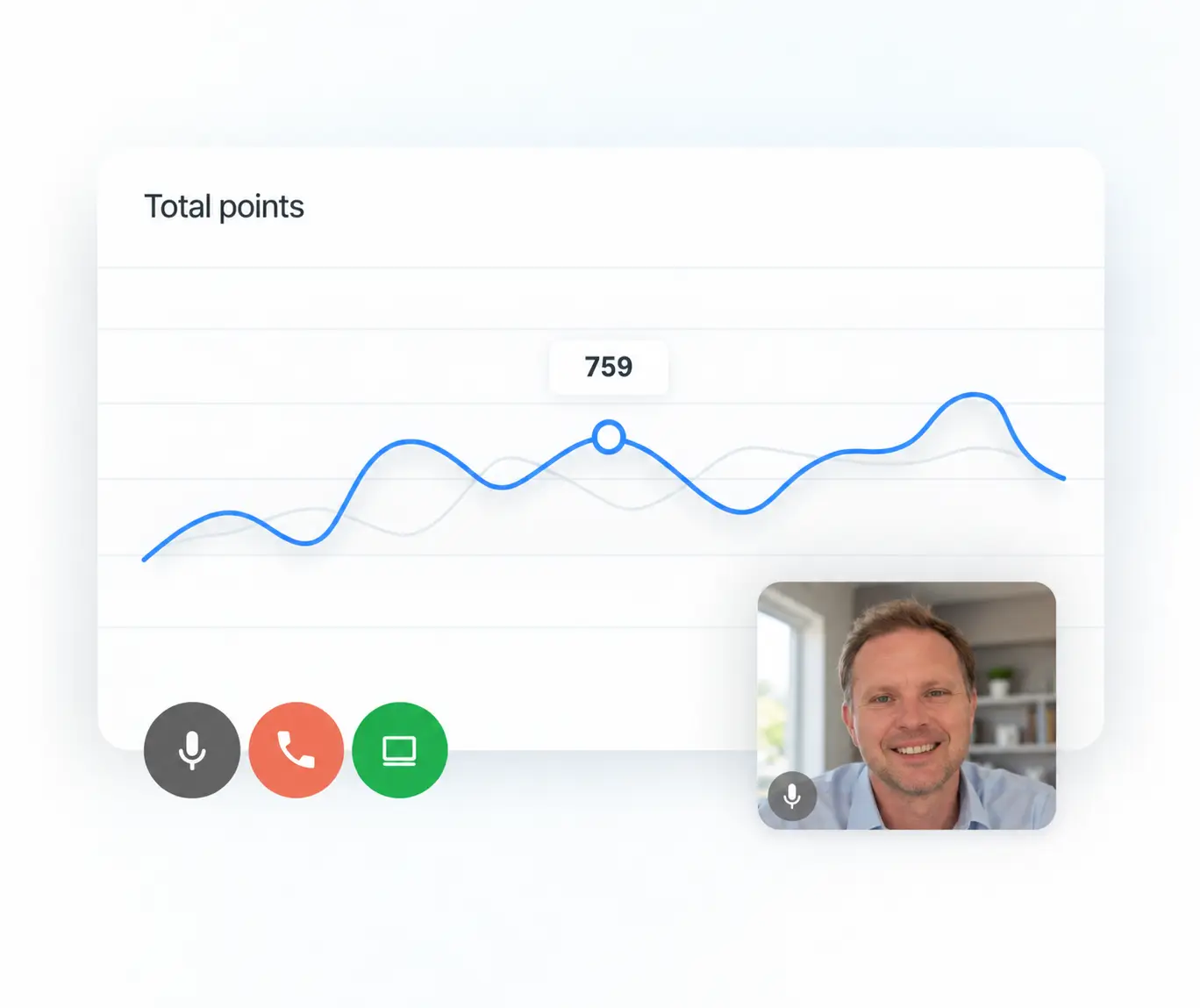
Time to Interactive (TTI) is a crucial performance metric that offers insight into user experience on web pages. It is intricately connected with Google's Core Web Vitals, which include Largest Contentful Paint (LCP), First Input Delay (FID), and Cumulative Layout Shift (CLS). Understanding these relationships can enhance website optimization strategies.
Core Web Vitals and Their Relevance
Core Web Vitals are key indicators of user experience, focusing on loading performance, interactivity, and visual stability. Here’s a look at each:
- Largest Contentful Paint (LCP): Measures loading performance. LCP marks the point at which the largest content element becomes visible within the viewport.
- First Input Delay (FID): Evaluates interactivity. FID measures the time from when a user first interacts with a page to the time when the browser can respond to that interaction.
- Cumulative Layout Shift (CLS): Assesses visual stability. CLS quantifies unexpected layout shifts during the page's lifetime.
How TTI Relates to Core Web Vitals
Time to Interactive (TTI) is closely aligned with these Web Vitals, influencing and being influenced by them. Here’s how they interact:
- Step 1: TTI and LCP: A smooth LCP contributes to a quicker TTI, as it signifies that significant elements are promptly visible.
- Step 2: TTI and FID: TTI encompasses FID as it requires the page to be fully interactive, responding swiftly to user inputs.
- Step 3: TTI and CLS: Stability in layout (low CLS) ensures that TTI is not delayed by unexpected shifts, maintaining user focus and interaction capabilities.
Optimizing for Improved TTI
Improving TTI involves enhancing each related Web Vital. Follow these steps to optimize your website:
- Step 1: Enhance LCP: Optimize images, implement lazy loading, and ensure fast server response times to improve loading speed.
- Step 2: Reduce FID: Minimize JavaScript execution time and use efficient code splitting to enable quicker user interaction.
- Step 3: Minimize CLS: Set size attributes for media and ensure elements are stable as they load to prevent layout shifts.
Key Takeaways
Understanding and optimizing TTI in conjunction with Core Web Vitals can significantly enhance user experience. Here are some key points:
- TTI is a comprehensive metric that reflects the time until a page is fully interactive.
- Improving LCP, FID, and CLS positively impacts TTI.
- A focus on web performance leads to better engagement and satisfaction for users.


 Gray Digital Group
 Blitzy
 PermitFlow
 Dj Haer Jr