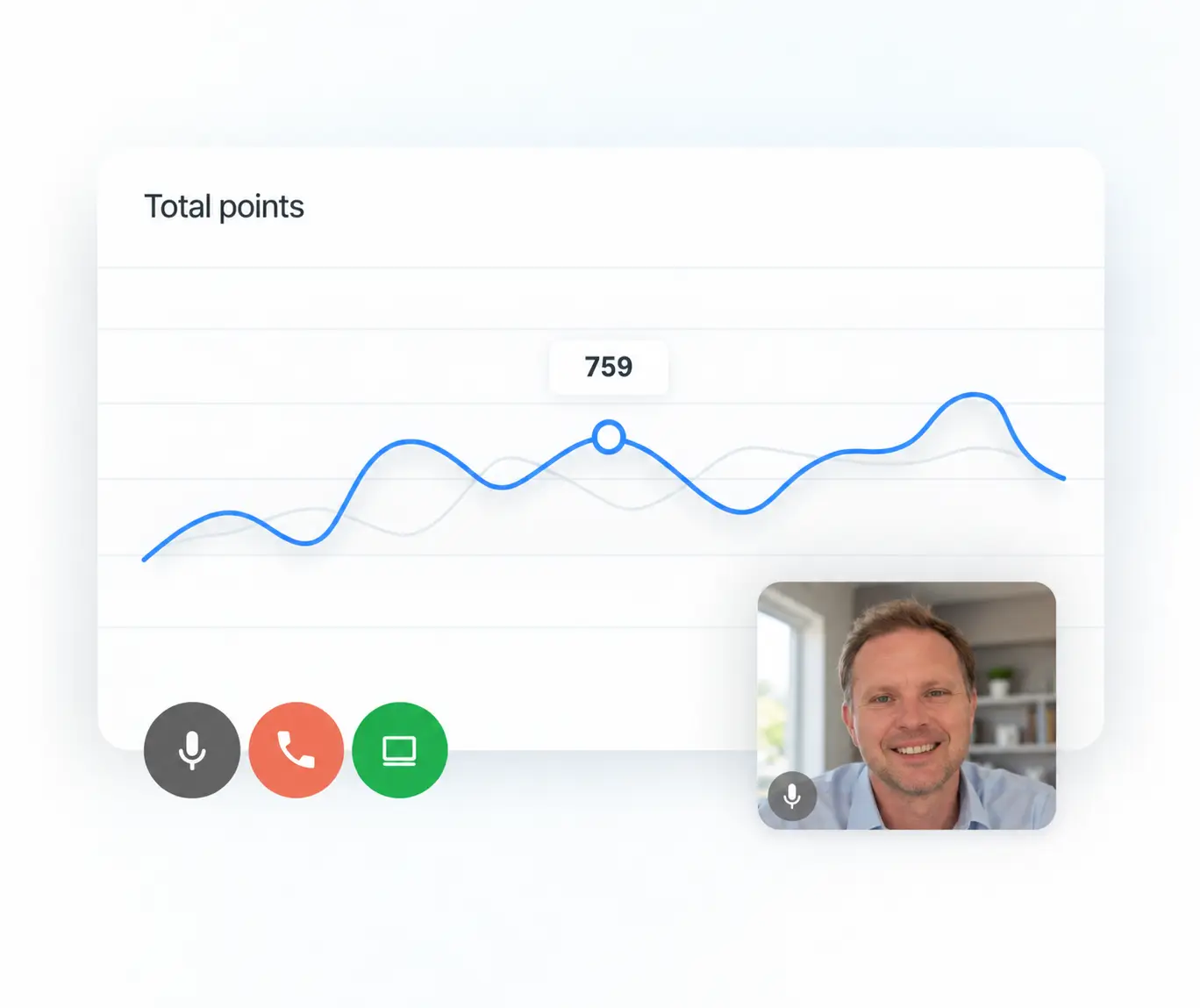
Weekly Active Users (WAU) is a crucial metric for assessing user engagement, satisfaction, and behavior on a weekly basis. It reflects customer retention and helps identify seasonal peaks or lulls in user activity.
Why Weekly Active Users Matter
Understanding the significance of WAU can provide valuable insights into the health of your product or service. Here are some key reasons why WAU is important:
- WAU indicates how many users engage with your product weekly, offering a snapshot of user engagement.
- It helps in tracking customer retention and identifying patterns in user behavior.
- Analyzing WAU can reveal seasonal trends or fluctuations in user activity.
How to Measure Weekly Active Users
Measuring WAU involves a series of steps that help ensure accurate tracking and analysis. Follow these steps:
- Step 1: Define what constitutes an "active user" for your specific context. This could be based on login frequency, feature usage, or any other relevant activity.
- Step 2: Use analytics tools to track user activity over a weekly cycle. Ensure that your tools are set to capture the specific events that define user activity.
- Step 3: Analyze the data collected to calculate the number of unique active users each week. Compare this data over time to identify trends and insights.
Best Practices for Increasing WAU
Enhancing your WAU requires a strategic approach focused on user engagement and satisfaction. Consider these best practices:
- Enhance user experience by simplifying navigation and ensuring a seamless interface.
- Introduce engaging content or features that encourage users to return regularly.
- Offer incentives or loyalty programs to reward frequent users and motivate continued engagement.
Common Mistakes to Avoid
While measuring and improving WAU, it's important to steer clear of certain pitfalls:
- Relying solely on WAU without considering other engagement metrics can provide an incomplete picture.
- Ignoring user feedback and failing to address issues can lead to decreased user satisfaction and engagement.
- Overloading users with too many notifications or updates can result in user fatigue.



 Gray Digital Group
 Blitzy
 PermitFlow
 Dj Haer Jr