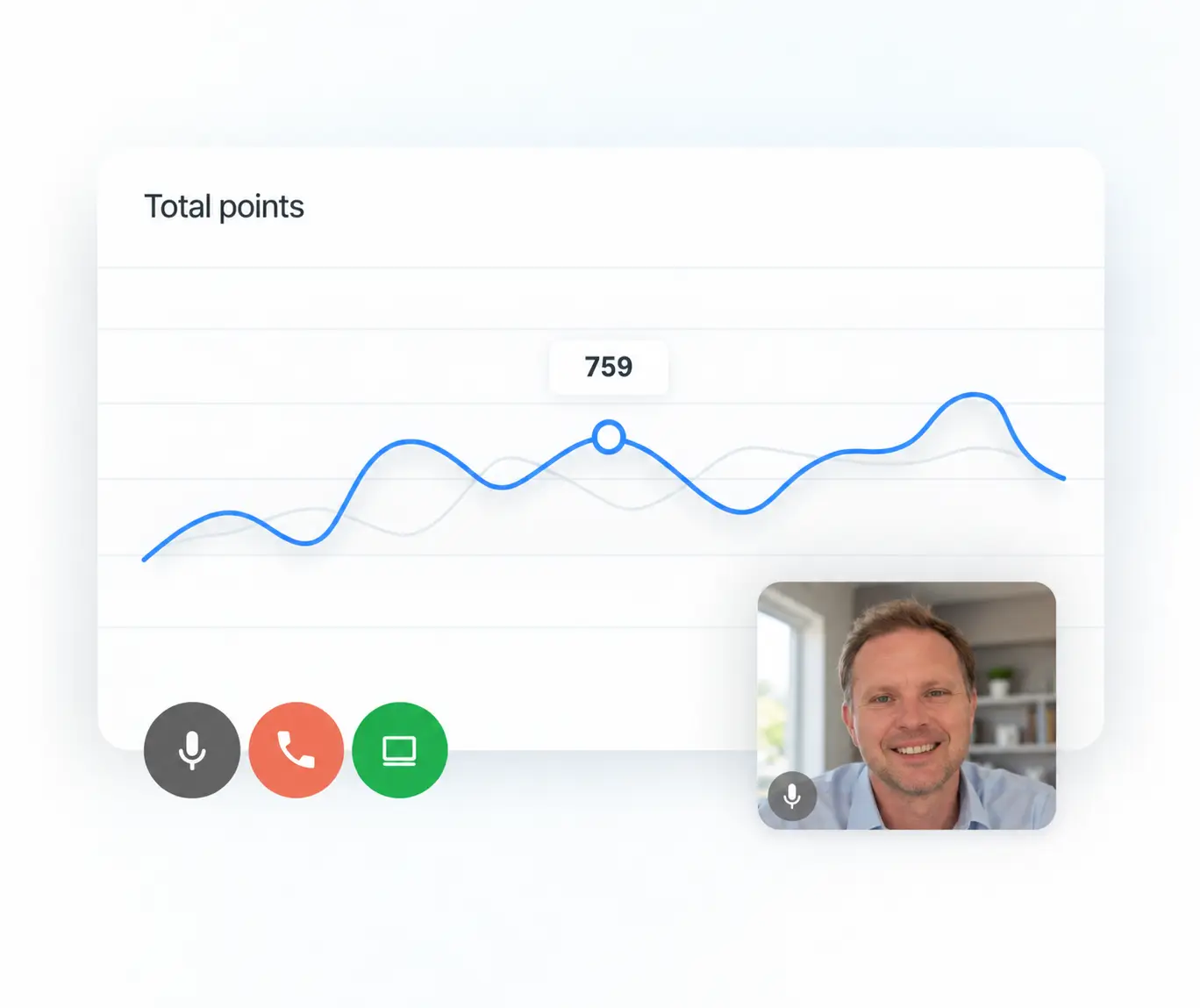
Time to Interactive (TTI) is a critical performance metric that provides insights into the user experience of web page loading. It allows marketers to identify bottlenecks and optimize website performance effectively.
What is Time to Interactive (TTI)?
TTI measures the time it takes for a web page to become fully interactive. This means that all the essential page content has loaded, and the user can interact with the page without delays.
- TTI is a user-centric metric.
- It provides a timeline for page load performance.
- Helps identify performance bottlenecks.
Why is TTI Important?
TTI is crucial for ensuring a smooth user experience, which directly impacts user engagement and conversion rates.
- Improves user satisfaction by reducing wait times.
- Enhances overall website performance.
- Increases the likelihood of user retention and interaction.
How to Measure TTI
Measuring TTI involves using specific tools and techniques to assess the interactivity timeline of a web page.
- Step 1: Use performance analysis tools such as Lighthouse or WebPageTest to measure TTI.
- Step 2: Analyze the results to identify areas for improvement in interactivity.
- Step 3: Implement optimizations to reduce TTI, such as code splitting and lazy loading.
Best Practices for Optimizing TTI
Optimizing TTI involves several strategies to ensure quick and seamless interactivity for users.
- Prioritize loading critical resources first.
- Minimize third-party scripts that delay interactivity.
- Use efficient coding practices to streamline loading times.
Common Mistakes to Avoid
Avoid these mistakes to ensure your website's TTI is optimized for the best user experience.
- Overloading the page with unnecessary scripts.
- Neglecting to optimize images and media.
- Ignoring user feedback on page performance issues.


 Gray Digital Group
 Blitzy
 PermitFlow
 Dj Haer Jr