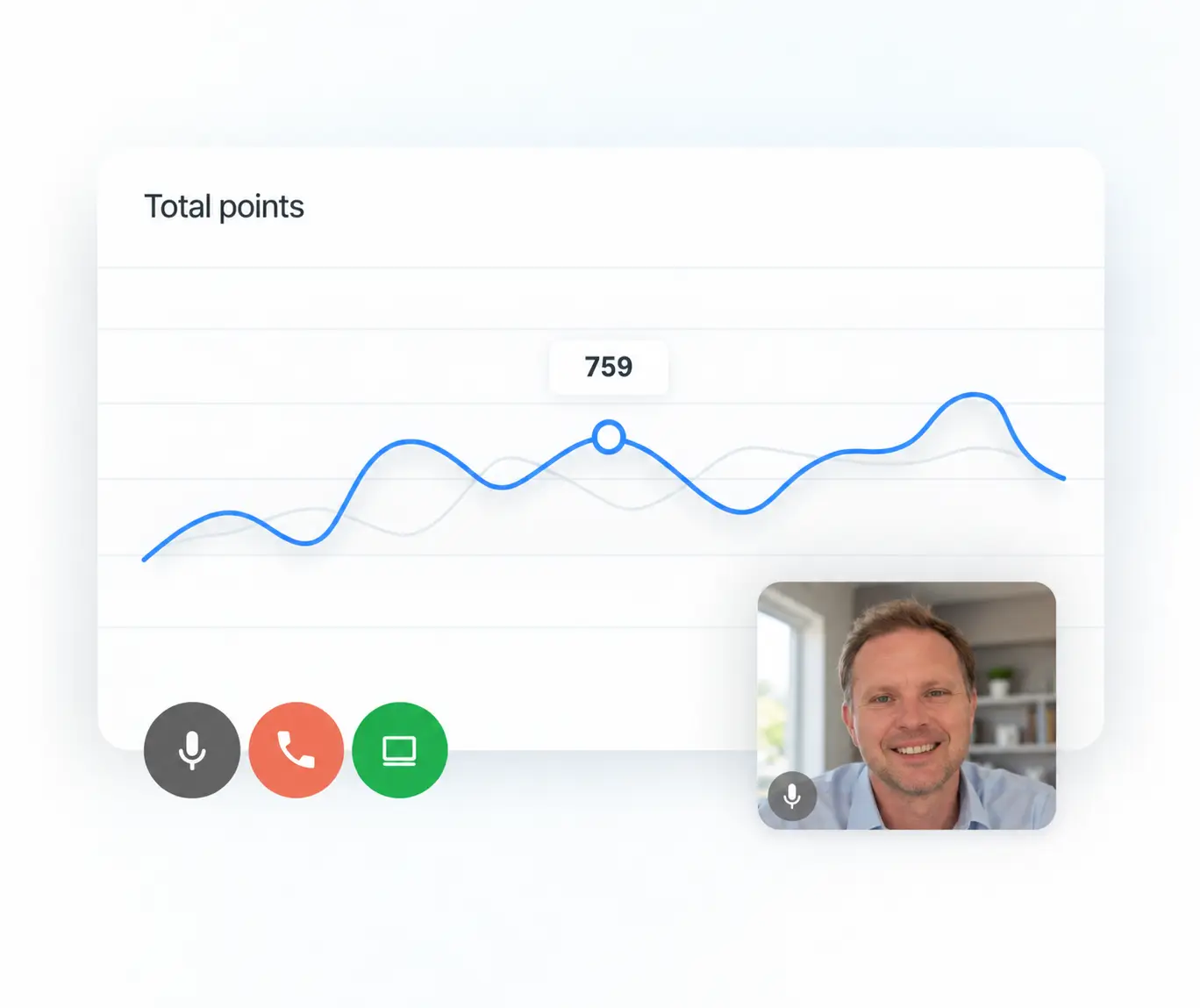
In the digital age, capturing and retaining the audience's attention is critical for the success of any online strategy. Average Time on Page is a key metric that reflects how effectively your content engages visitors. This guide explores why this metric matters to clients and how it can inform your digital strategies.
Why Average Time on Page Matters
Average Time on Page is a direct indicator of how well your content resonates with your audience. Understanding this metric can provide valuable insights into user engagement and content effectiveness.
- A longer average time can indicate that the content is engaging and meets the audience's expectations.
- A shorter average time might suggest that the content is not relevant or engaging to visitors.
- Monitoring this metric helps in adjusting content strategies to better align with audience needs.
How to Improve Average Time on Page
Improving the Average Time on Page involves creating content that captures and retains user interest. Follow these steps to enhance your content strategy.
- Step 1: Understand Your Audience - Conduct research to understand the preferences and needs of your target audience.
- Step 2: Create Engaging Content - Develop content that is informative, visually appealing, and provides value to the audience.
- Step 3: Use Multimedia Elements - Integrate videos, images, and infographics to make the content more dynamic and engaging.
- Step 4: Optimize for Readability - Ensure that the content is easy to read with appropriate headings, bullet points, and short paragraphs.
- Step 5: Analyze and Adjust - Regularly review metrics and make necessary adjustments to improve content relevance and engagement.
Benefits of Monitoring Average Time on Page
Tracking the Average Time on Page provides several benefits that can help refine your digital strategy.
- Helps identify content that resonates well with the audience.
- Allows for the optimization of underperforming pages.
- Provides insights into user behavior and preferences.
- Assists in aligning content strategies with business goals.
Common Mistakes to Avoid
While working to improve Average Time on Page, be cautious of these common pitfalls.
- Overloading content with excessive keywords, leading to poor readability.
- Neglecting mobile optimization, which can deter mobile users.
- Ignoring user feedback, which can provide vital insights into content effectiveness.
In conclusion, understanding and optimizing Average Time on Page is crucial for creating a successful digital strategy. By focusing on engaging, relevant content and continually monitoring this key metric, you can enhance user experience and achieve business objectives.



 Gray Digital Group
 Blitzy
 PermitFlow
 Dj Haer Jr