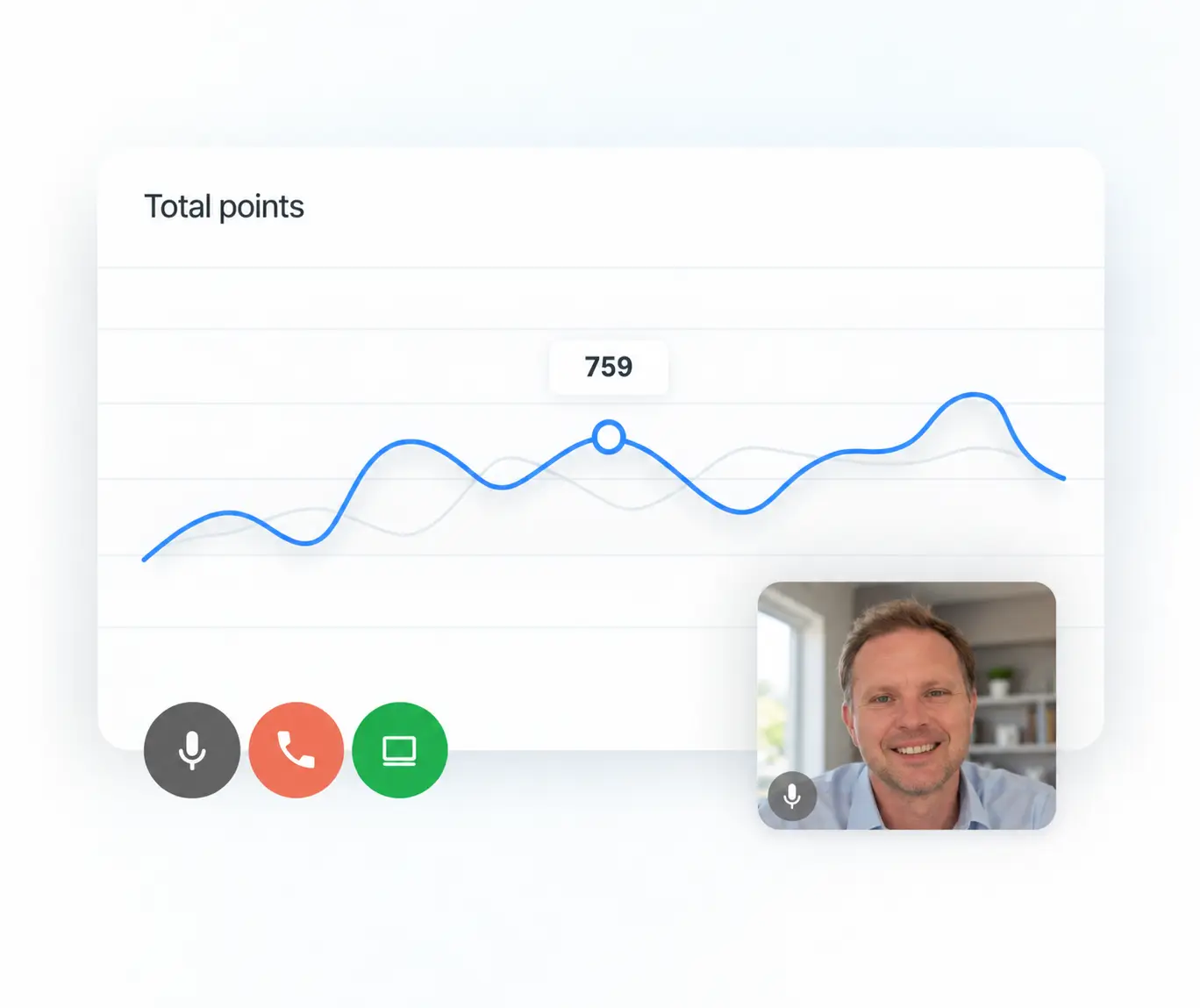
1-Day Active Users is a critical metric for assessing user engagement on digital platforms. Like a daily headcount in a physical store, this measure provides insights into user interest and engagement levels on a daily basis. This guide will explain why tracking 1-Day Active Users is vital for your business and how it can be used to enhance your strategies.
Why 1-Day Active Users Matter
Monitoring 1-Day Active Users helps businesses understand the daily engagement level of their users. This metric is essential for several reasons:
- It serves as an indicator of user interest and engagement.
- A consistent or growing number of active users signifies strong user interest.
- A decline in active users may highlight areas in need of improvement, such as website usability.
How to Track 1-Day Active Users
Tracking 1-Day Active Users involves several steps to ensure accurate data collection and analysis:
- Step 1: Implement analytics tools that can monitor daily user activity on your platform.
- Step 2: Regularly review the data to identify trends in user engagement.
- Step 3: Compare daily user activity against historical data to assess growth or decline.
Using 1-Day Active Users for Strategy Refinement
The insights gained from 1-Day Active Users can be applied to refine business strategies effectively:
- Analyze patterns to optimize user engagement strategies.
- Identify peak usage times to allocate resources efficiently.
- Continuously improve user experience based on engagement metrics.
Common Mistakes to Avoid
While tracking 1-Day Active Users is beneficial, avoid these common pitfalls:
- Relying solely on daily active users without considering other engagement metrics.
- Ignoring the context behind fluctuations in daily user numbers.
- Failing to act on the insights gained from user data.
In conclusion, understanding and tracking 1-Day Active Users is a vital component of evaluating user engagement. By monitoring this metric, businesses can gain valuable insights into user behavior, allowing them to optimize their strategies and improve overall user experience.



 Gray Digital Group
 Blitzy
 PermitFlow
 Dj Haer Jr