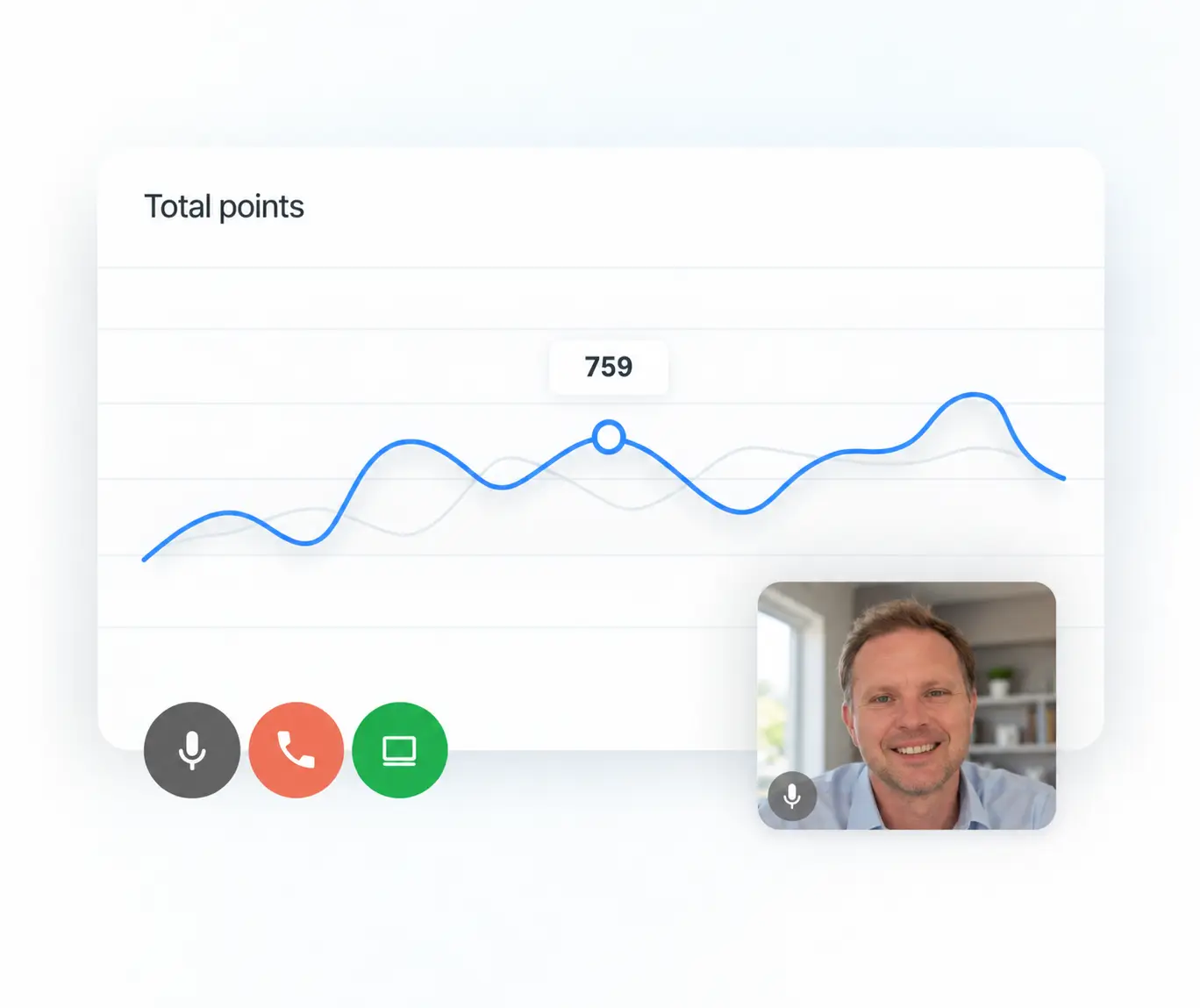
In the competitive digital marketing landscape, agencies strive to demonstrate their ability to grow and sustain their clients' audiences. A critical measure of this success is the List Growth Rate, which reflects an agency's prowess in attracting and retaining subscribers through effective email marketing and audience engagement strategies.
Why List Growth Rate Matters
List Growth Rate is a vital metric for agencies as it:
- Demonstrates the agency's capability to expand a client's audience base.
- Indicates success in crafting compelling email marketing campaigns.
- Reflects expertise in audience engagement and retention strategies.
Benefits of a High List Growth Rate
Achieving a high List Growth Rate offers numerous benefits to agencies and their clients, such as:
- Increased audience reach and potential market penetration.
- Enhanced brand visibility and credibility.
- Greater opportunities for customer engagement and conversion.
How to Measure List Growth Rate
To effectively measure and optimize List Growth Rate, follow these steps:
- Step 1: Calculate the number of new subscribers over a specific period.
- Step 2: Subtract the number of unsubscribes from the new subscribers.
- Step 3: Divide the result by the total number of subscribers at the beginning of the period.
- Step 4: Multiply the result by 100 to get the List Growth Rate percentage.
Strategies to Improve List Growth Rate
Agencies can implement various strategies to boost List Growth Rate:
- Optimize email sign-up forms to be user-friendly and accessible.
- Create engaging and valuable content that encourages sharing and referrals.
- Utilize social media and other channels to promote email list sign-ups.
- Offer incentives, such as exclusive content or discounts, for new subscribers.
Common Mistakes to Avoid
While striving to improve List Growth Rate, avoid these common pitfalls:
- Ignoring subscriber segmentation and personalization.
- Overloading subscribers with too many emails, leading to unsubscribes.
- Failing to track and analyze email campaign performance data.


 Gray Digital Group
 Blitzy
 PermitFlow
 Dj Haer Jr