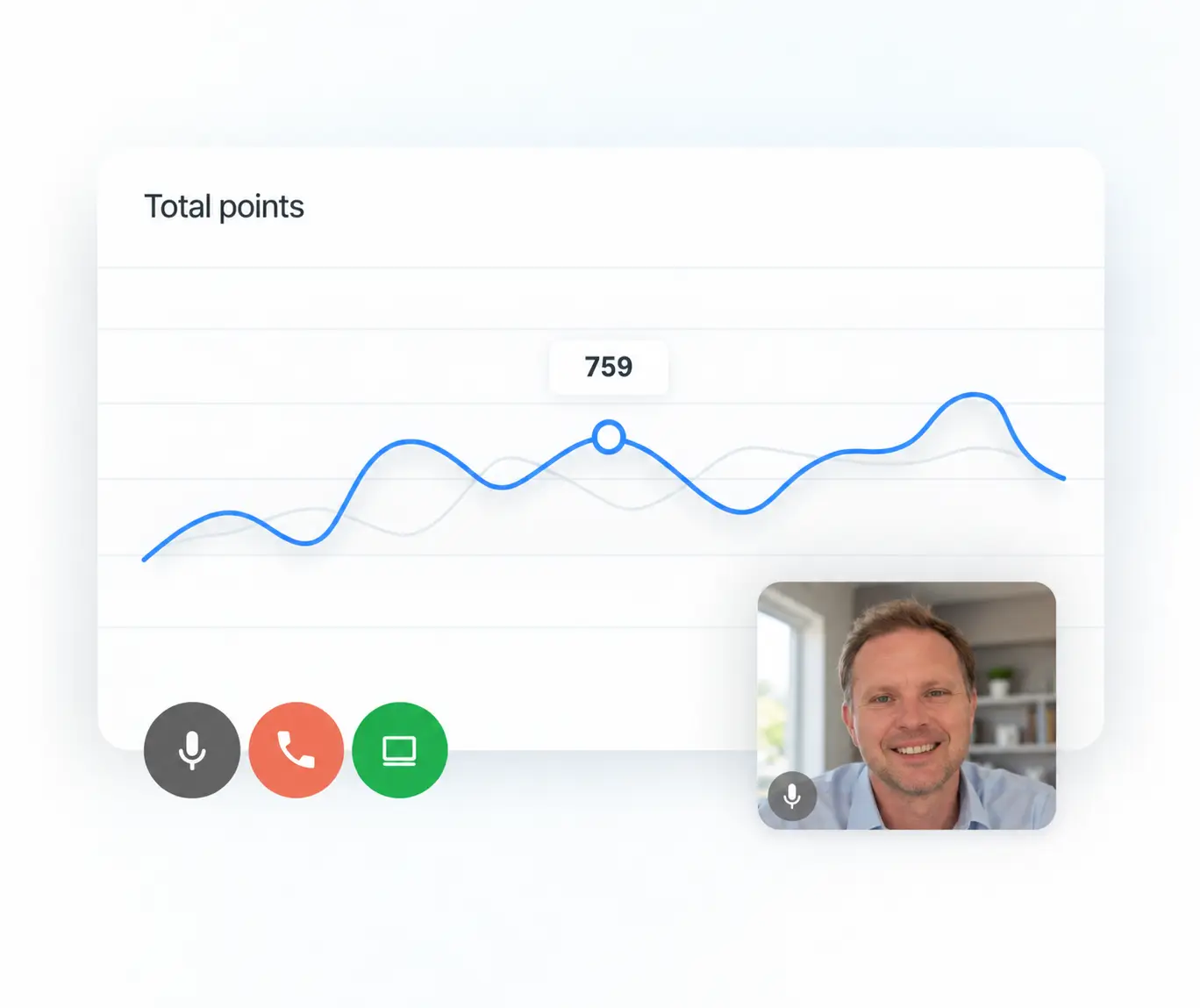
Page views serve as a fundamental metric for measuring website engagement. High page view counts indicate that a website effectively attracts visitors, marking an essential first step in the conversion process. This guide explores the importance of tracking page views and how to effectively monitor them.
The Importance of Tracking Page Views
Tracking page views is crucial for understanding user interaction and engagement with your website. Here are key reasons why this metric is important:
- Page views help gauge the popularity and reach of your website content.
- They provide insights into user behavior and preferences.
- High page views can signal effective content marketing strategies.
- They are a precursor to conversion and sales opportunities.
How to Effectively Track Page Views
To effectively track page views, follow these steps to set up and monitor your metrics:
- Step 1: Implement analytics tools such as Google Analytics to track page views. This tool provides comprehensive insights into user behavior.
- Step 2: Set up tracking codes on all pages of your website to ensure accurate data collection.
- Step 3: Regularly review the analytics dashboard to assess page view trends and identify high-performing content.
- Step 4: Use the insights gained from page views to optimize content strategy and improve user engagement.
Best Practices for Increasing Page Views
Maximizing page views involves strategic content planning and execution. Consider these best practices:
- Optimize content for search engines to improve visibility and attract more visitors.
- Promote content across social media platforms to reach a broader audience.
- Regularly update and refresh content to maintain relevance and engagement.
- Utilize multimedia elements like images and videos to enhance content appeal.
Common Mistakes to Avoid
When tracking and optimizing page views, be cautious of these common pitfalls:
- Neglecting to install analytics tools properly, leading to inaccurate data.
- Ignoring page view data and missing opportunities to refine content strategies.
- Focusing solely on page views without considering other engagement metrics.



 Gray Digital Group
 Blitzy
 PermitFlow
 Dj Haer Jr