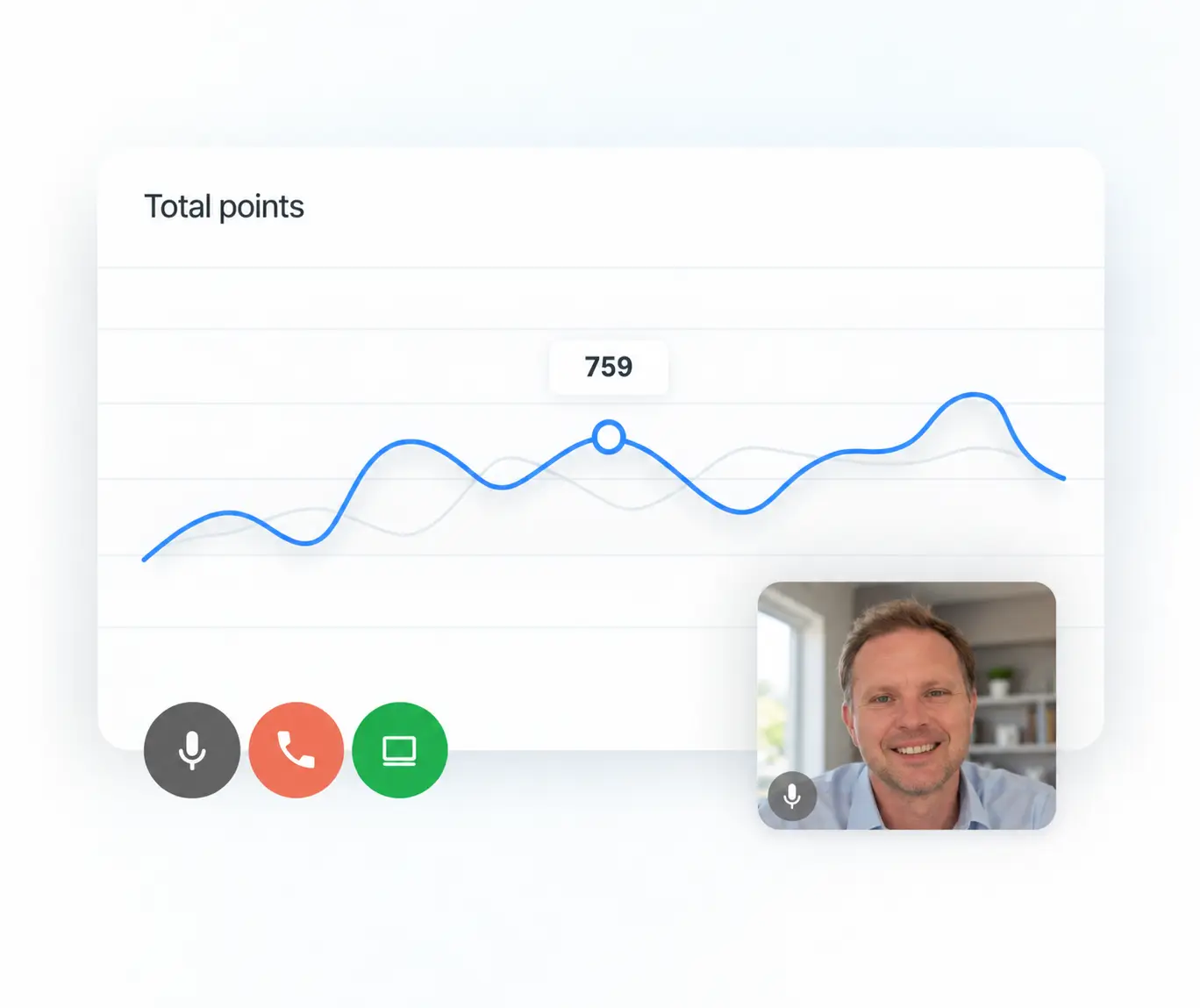
Understanding how often visitors return to your website is crucial for assessing audience engagement. The Sessions per User metric in Google Analytics offers valuable insights into this by calculating the average number of sessions each user has. This guide will explore why Sessions per User is a key metric to track and how it can help in evaluating your website's effectiveness in encouraging repeat visits.
Key Benefits of Tracking Sessions per User
Tracking the Sessions per User metric can provide several benefits for your website's analytics and strategy.
- Gain insights into user engagement and loyalty.
- Evaluate the effectiveness of your content in driving repeat visits.
- Identify trends in user behavior over time.
How to Analyze Sessions per User in Google Analytics
Follow these steps to effectively analyze the Sessions per User metric in Google Analytics.
- Step 1: Log in to your Google Analytics account and navigate to the "Audience" section.
- Step 2: Select the "Overview" report to view general audience data.
- Step 3: Locate the Sessions per User metric to assess how frequently users return to your site.
- Step 4: Compare this metric over different time periods to identify trends in user engagement.
Best Practices for Improving Sessions per User
To enhance the frequency of user sessions, consider implementing the following strategies.
- Produce high-quality, engaging content that encourages users to return.
- Utilize personalized marketing techniques to target returning users.
- Optimize the user experience to ensure easy navigation and accessibility.
- Implement loyalty programs or incentives for repeat visitors.
Common Mistakes to Avoid
While analyzing Sessions per User, be aware of these common pitfalls to ensure accurate data interpretation.
- Ignoring the context of user sessions without considering other metrics.
- Failing to segment users based on different demographics or behaviors.
- Relying solely on Sessions per User without integrating other engagement metrics.


 Gray Digital Group
 Blitzy
 PermitFlow
 Dj Haer Jr