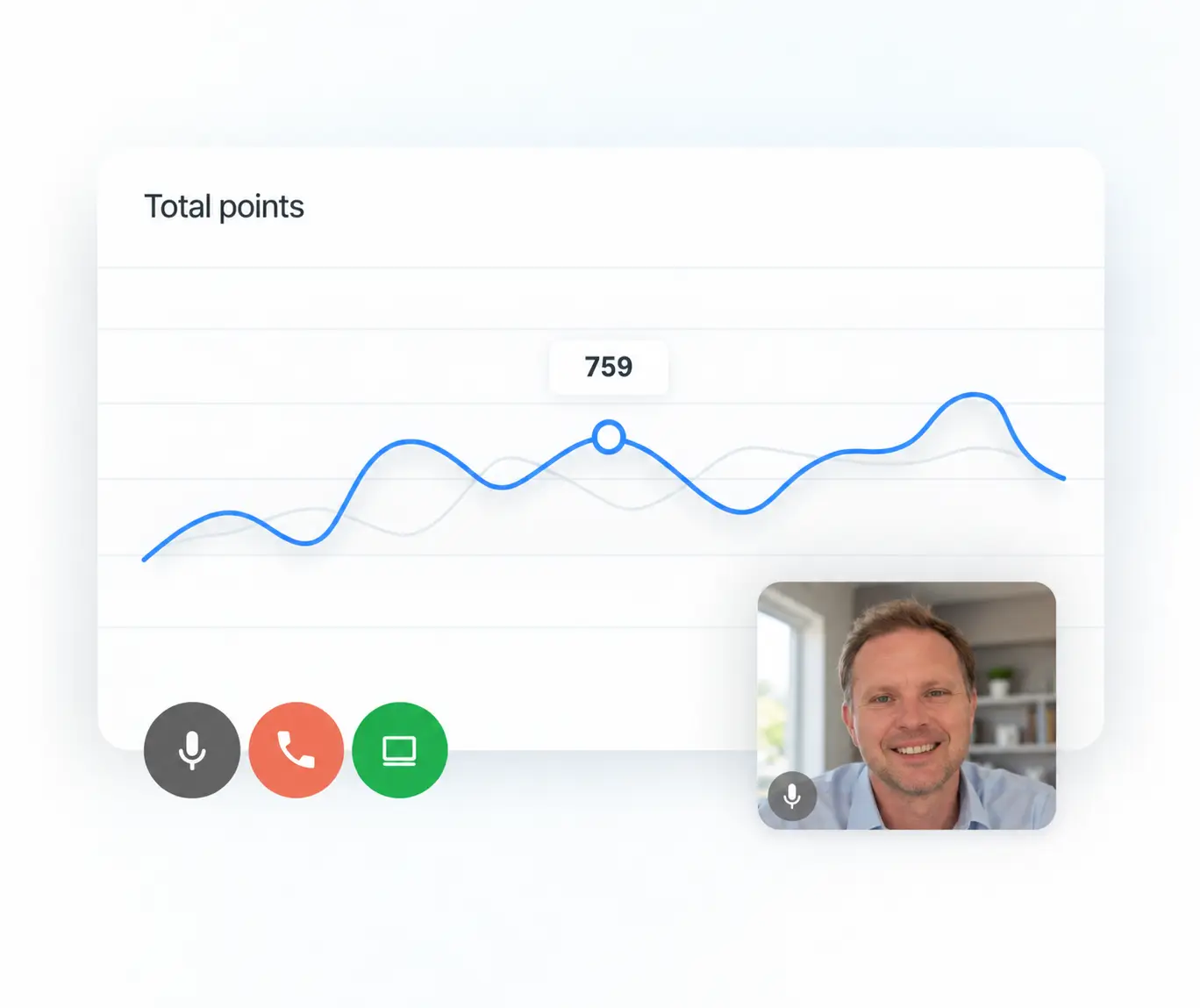
Analyzing customer sentiment provides valuable insights into customer experiences, highlighting both strengths and areas needing improvement. This guide will explore how leveraging sentiment feedback can drive customer loyalty.
Benefits of Sentiment Analysis
Understanding customer sentiment offers several advantages that can enhance business operations and customer relations.
- Identifies customer needs and preferences.
- Pinpoints strengths and areas for improvement.
- Enhances customer satisfaction and loyalty.
How to Implement Sentiment Analysis
To effectively leverage sentiment feedback, follow these steps to implement sentiment analysis in your organization.
- Step 1: Collect Customer Feedback - Gather feedback through surveys, social media, and direct interactions.
- Step 2: Use Sentiment Analysis Tools - Employ software tools that analyze text data to determine sentiment.
- Step 3: Analyze the Results - Review the analysis to identify patterns and trends in customer sentiment.
- Step 4: Develop Actionable Insights - Translate the findings into strategies for improving customer experiences.
- Step 5: Implement Changes - Make the necessary changes to address customer concerns and enhance positive experiences.
Key Takeaways
Understanding and acting on customer sentiment can significantly boost customer loyalty and business success.
- Regularly collect and analyze customer feedback.
- Use technology to streamline sentiment analysis.
- Translate sentiment data into actionable business strategies.
Common Mistakes to Avoid
Avoid these pitfalls to ensure your sentiment analysis efforts are effective.
- Ignoring negative feedback or dismissing it as an anomaly.
- Failing to act on insights derived from sentiment analysis.
- Using outdated or ineffective tools for sentiment analysis.


 Gray Digital Group
 Blitzy
 PermitFlow
 Dj Haer Jr