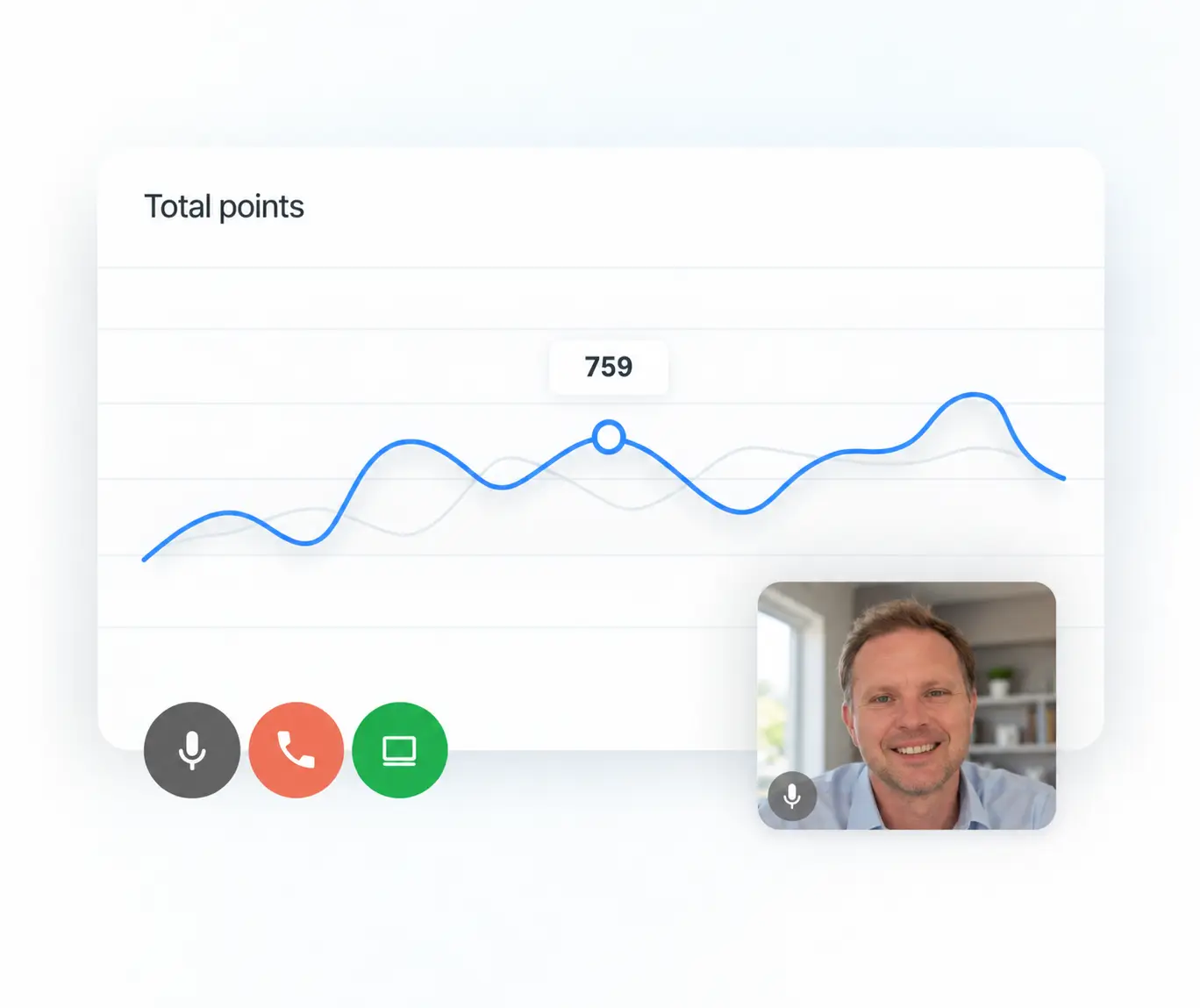
Cost Per Conversion (CPC) is a crucial metric for advertisers, revealing the cost incurred to acquire a customer or lead. This metric is intertwined with other Key Performance Indicators (KPIs) such as Cost Per Click (CPC) and Conversion Rates. A high Cost Per Conversion may indicate inefficiencies in your campaign settings, prompting a closer examination of keyword relevance and ad placements.
Key Performance Indicators Related to Cost Per Conversion
Understanding how Cost Per Conversion interacts with other KPIs can help in optimizing your advertising strategies.
- Cost Per Click (CPC): The amount paid for each click on an ad. A higher CPC can lead to a higher Cost Per Conversion if not managed properly.
- Conversion Rate: The percentage of users who take a desired action after clicking an ad. A lower conversion rate can increase the overall Cost Per Conversion.
- Ad Relevance: Ensuring ad content matches user intent can improve conversion rates and reduce Cost Per Conversion.
How to Optimize Cost Per Conversion
Improving Cost Per Conversion involves analyzing and adjusting various campaign elements.
- Step 1: Evaluate Keyword Relevance - Ensure your keywords align with the user intent to drive more relevant traffic.
- Step 2: Adjust Ad Placements - Test different ad placements to identify which locations yield the highest conversion rates.
- Step 3: Improve Landing Page Experience - Optimize your landing page to ensure a seamless user experience that encourages conversions.
Common Mistakes to Avoid
Avoid these pitfalls to ensure efficient Cost Per Conversion management.
- Ignoring keyword analysis, leading to irrelevant traffic and higher costs.
- Failing to test ad variations, which can result in missed opportunities for optimization.
- Neglecting landing page performance, which can deter potential conversions.



 Gray Digital Group
 Blitzy
 PermitFlow
 Dj Haer Jr