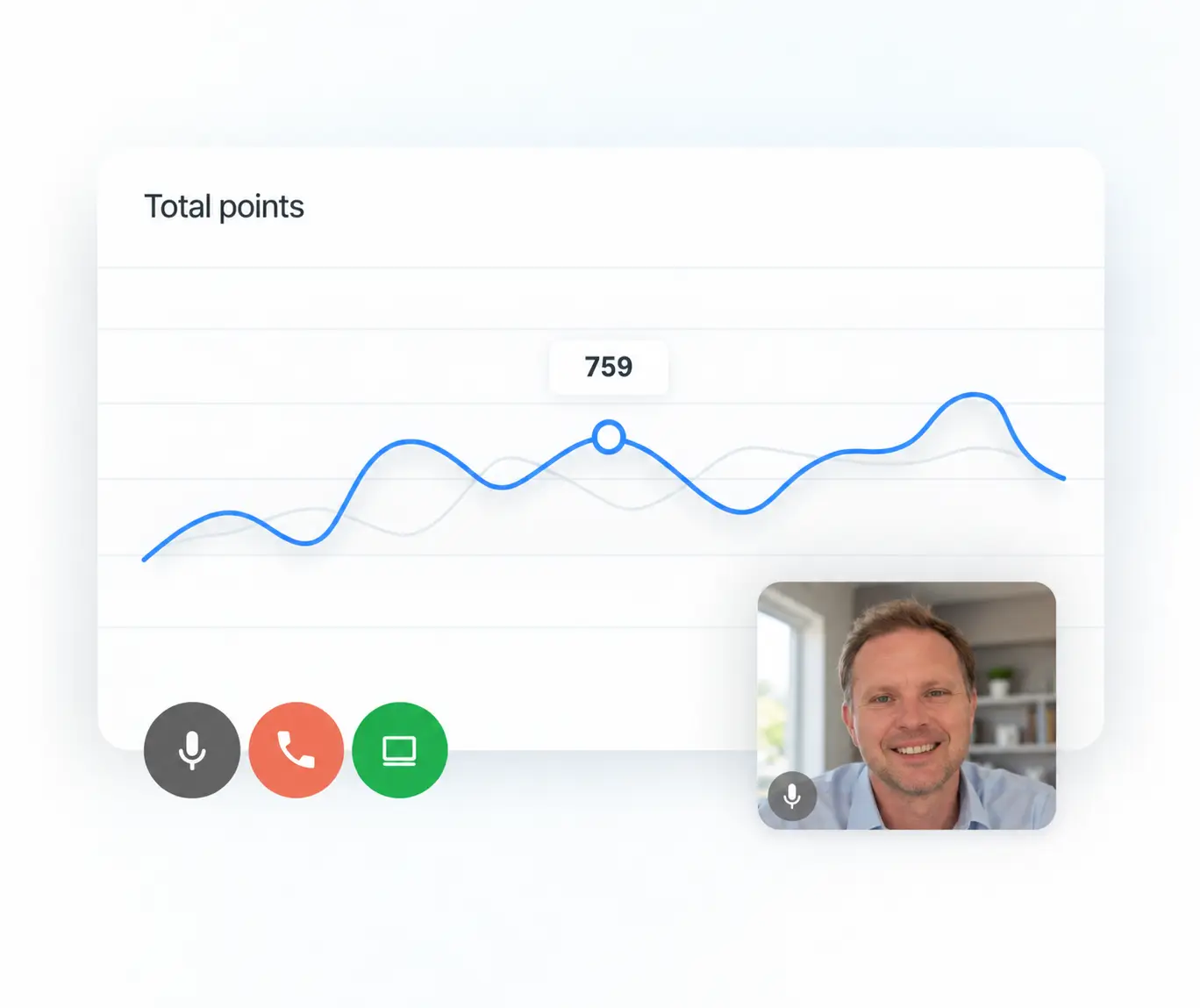
Cost per Click (CPC) is a crucial metric for clients as it directly impacts budget allocation and overall campaign expenses. This guide will explore why CPC is essential and how it provides a transparent look at the cost of acquiring each visitor.
Why CPC is Important to Clients
CPC offers a direct correlation with advertising budgets and campaign effectiveness. Here are key reasons why it matters:
- Budget Control: Clients can closely monitor and manage their ad spend.
- Transparency: CPC provides clear insight into the cost of each click, aiding in financial planning.
- Performance Measurement: Helps in evaluating the success of marketing strategies by assessing cost-effectiveness.
How to Optimize CPC for Better Results
Optimizing CPC can lead to more efficient spending and improved campaign performance. Follow these steps to achieve better CPC outcomes:
- Step 1: Conduct Keyword Research: Identify high-performing keywords that align with your target audience.
- Step 2: Set Competitive Bids: Analyze competitors' bids and adjust your bidding strategy to stay competitive without overspending.
- Step 3: Improve Ad Quality: Create compelling ad content that increases click-through rates and lowers CPC.
- Step 4: Utilize Negative Keywords: Exclude irrelevant keywords that could trigger your ads and waste budget.
Common Mistakes to Avoid
Avoiding these common pitfalls can help maintain a cost-effective CPC strategy:
- Ignoring Analytics: Regularly review analytics to adjust strategies based on performance data.
- Overlooking Ad Copy: Ensure ad copy is relevant and engaging to attract the right audience.
- Skipping A/B Testing: Continuously test ad variations to optimize for better results.
Conclusion
Understanding and optimizing CPC is vital for clients seeking cost-effective traffic solutions. By focusing on budget control, transparency, and performance measurement, clients can make informed decisions to enhance their marketing efforts.



 Gray Digital Group
 Blitzy
 PermitFlow
 Dj Haer Jr