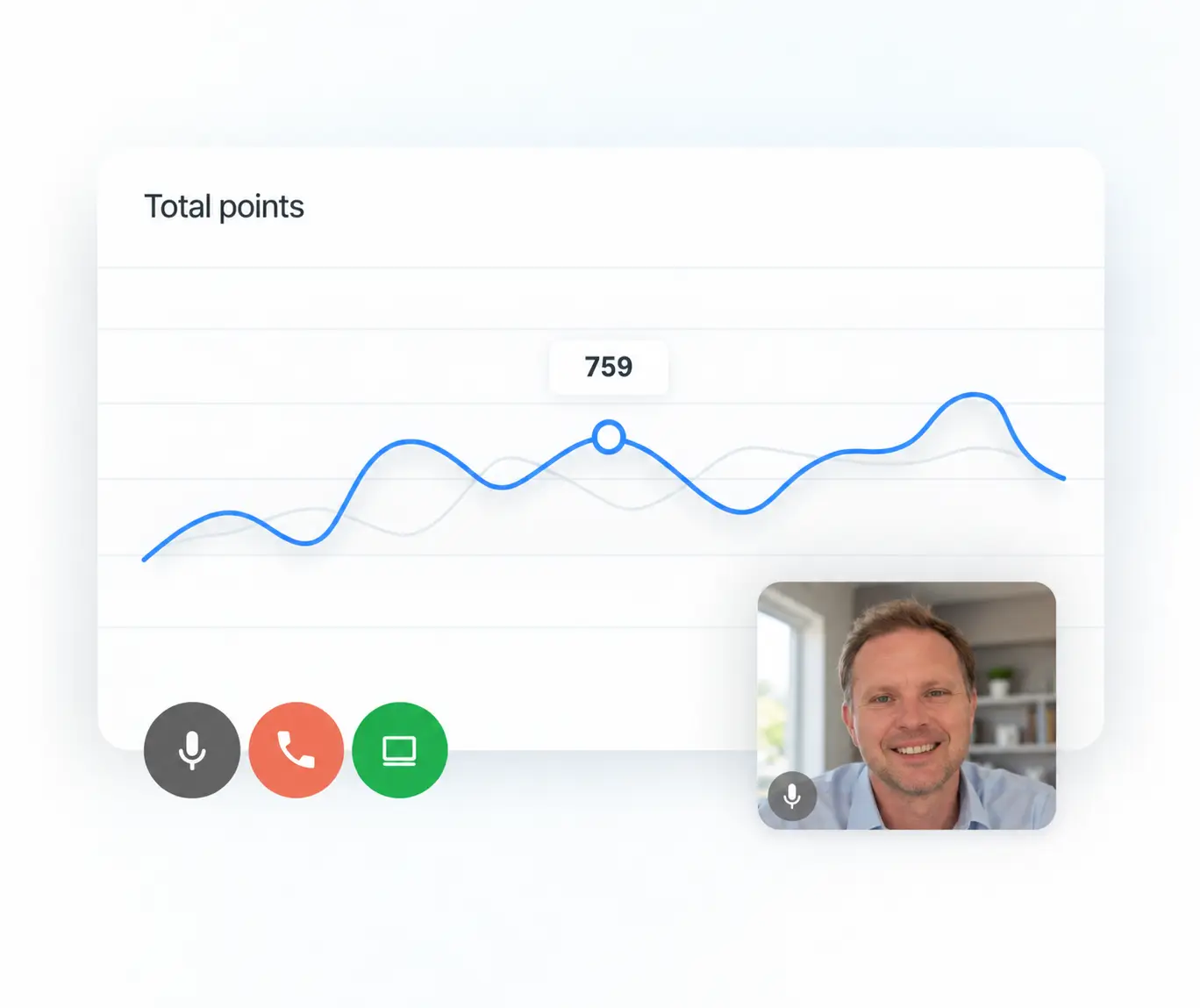
For agencies, an optimal Time to Interactive (TTI) is crucial to showcasing their technical expertise and ability to drive marketing results. A good TTI also enhances the effectiveness of SEO strategies, thereby building client confidence in the entire process.
Importance of Time to Interactive (TTI)
Time to Interactive is a key performance metric that measures how quickly a web page becomes fully interactive for users. This metric is essential for several reasons:
- A faster TTI improves user experience by reducing wait times.
- It is critical for SEO as search engines prioritize websites with better load times.
- A strong TTI can enhance client trust in an agency's technical capabilities.
How to Improve TTI
Improving TTI involves several technical enhancements that agencies can implement to deliver faster and more interactive web pages.
- Step 1: Optimize JavaScript and CSS files to reduce their size and loading time.
- Step 2: Implement lazy loading for images and videos to prioritize essential content.
- Step 3: Use a Content Delivery Network (CDN) to distribute content more efficiently across different geographical locations.
Benefits of a Good TTI
Having a favorable TTI can offer numerous advantages for agencies aiming to enhance their digital presence and effectiveness:
- Increased user engagement due to improved responsiveness.
- Higher conversion rates as users are more likely to interact with well-performing sites.
- Enhanced brand image through the demonstration of technical prowess.
Common Mistakes to Avoid
While optimizing TTI, agencies should be wary of common pitfalls that could hinder performance:
- Overloading pages with non-essential scripts that increase load times.
- Neglecting mobile optimization, which can lead to poor performance on smaller devices.
- Failing to monitor TTI regularly, which could result in undetected issues affecting user experience.
Conclusion
By understanding and improving Time to Interactive, agencies can significantly enhance their clients' web performance and user satisfaction. This not only boosts SEO efforts but also reinforces client confidence in the agency's capabilities, leading to sustained business growth.


 Gray Digital Group
 Blitzy
 PermitFlow
 Dj Haer Jr