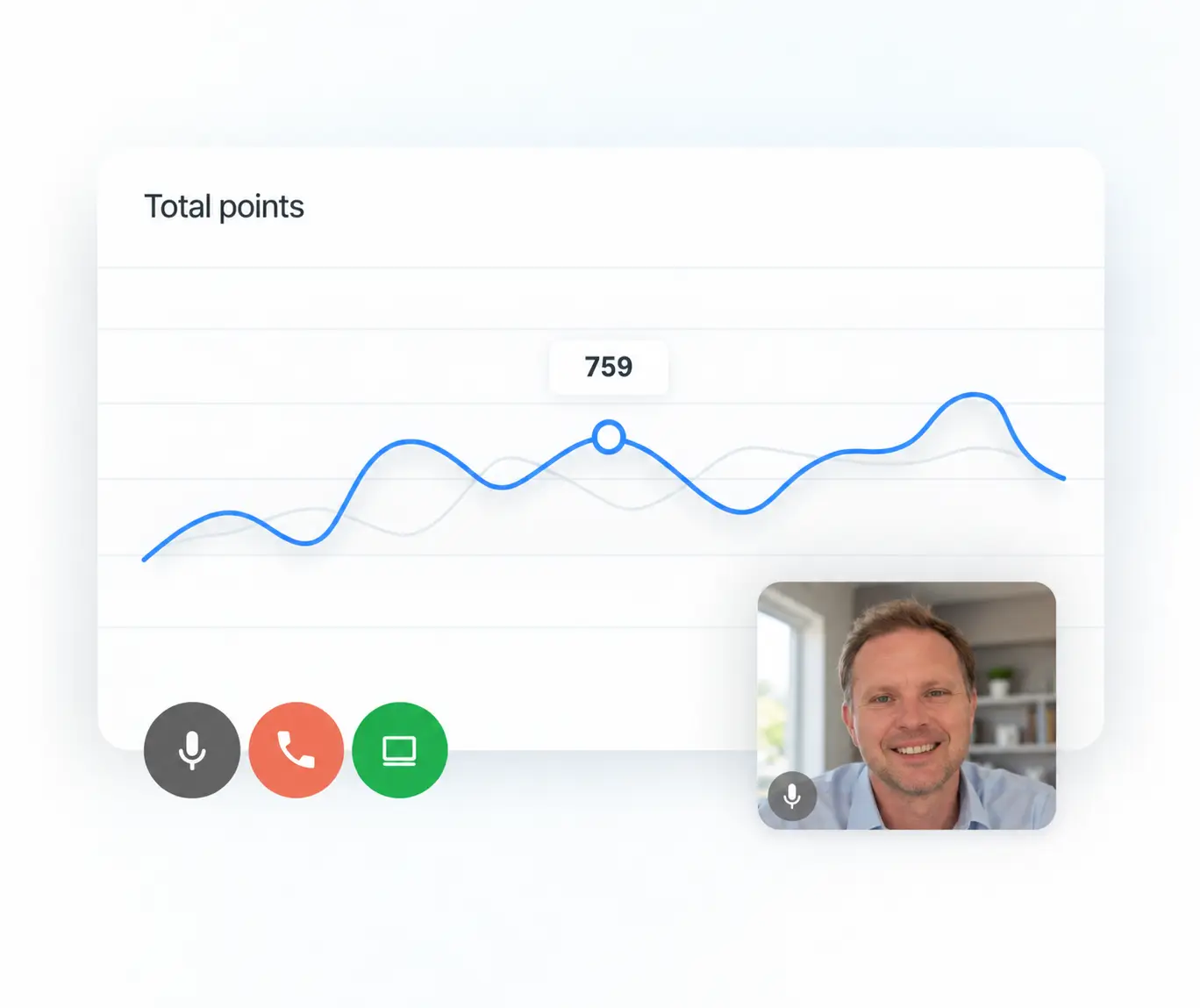
Understanding the significance of continuous data is essential for effective performance analysis, particularly in the realm of marketing. It provides precise measurements that are crucial in evaluating various key performance indicators (KPIs) such as Time on Site, Bounce Rate, and Conversion Rate. This guide will explore how continuous data relates to these KPIs and how it can be leveraged to track engagement trends.
Understanding Continuous Data
Continuous data refers to quantitative data that can take on any value within a given range. It is instrumental in providing insights into trends and patterns.
- Offers precision in measurement
- Facilitates detailed trend analysis
- Enhances the accuracy of KPI evaluations
How Continuous Data Influences Key Marketing KPIs
Continuous data plays a vital role in the calculation and interpretation of key marketing KPIs.
Time on Site
Time on Site measures the average duration a visitor spends on a website, providing insights into user engagement.
- Helps assess content effectiveness
- Indicates user interest and retention
Bounce Rate
Bounce Rate indicates the percentage of visitors who leave the site after viewing only one page.
- Reflects the relevance of landing pages
- Aids in identifying areas for improvement
Conversion Rate
Conversion Rate measures the percentage of visitors who complete a desired action, such as making a purchase or signing up for a newsletter.
- Critical for assessing marketing effectiveness
- Directly influenced by user experience and site design
How to Use Continuous Data for KPI Analysis
Utilizing continuous data effectively can significantly enhance the accuracy and utility of KPI analysis.
- Step 1: Identify the relevant continuous data metrics that align with your KPIs.
- Step 2: Collect data over a significant period to identify trends and patterns.
- Step 3: Analyze the data using statistical tools to draw meaningful insights.
- Step 4: Compare the findings against industry benchmarks to evaluate performance.
- Step 5: Implement strategies based on the analysis to improve KPI outcomes.
Benefits of Continuous Data in Marketing
Leveraging continuous data provides several advantages that enhance marketing strategies.
- Enables precise and real-time decision-making
- Improves customer segmentation and targeting
- Facilitates personalized marketing campaigns



 Gray Digital Group
 Blitzy
 PermitFlow
 Dj Haer Jr