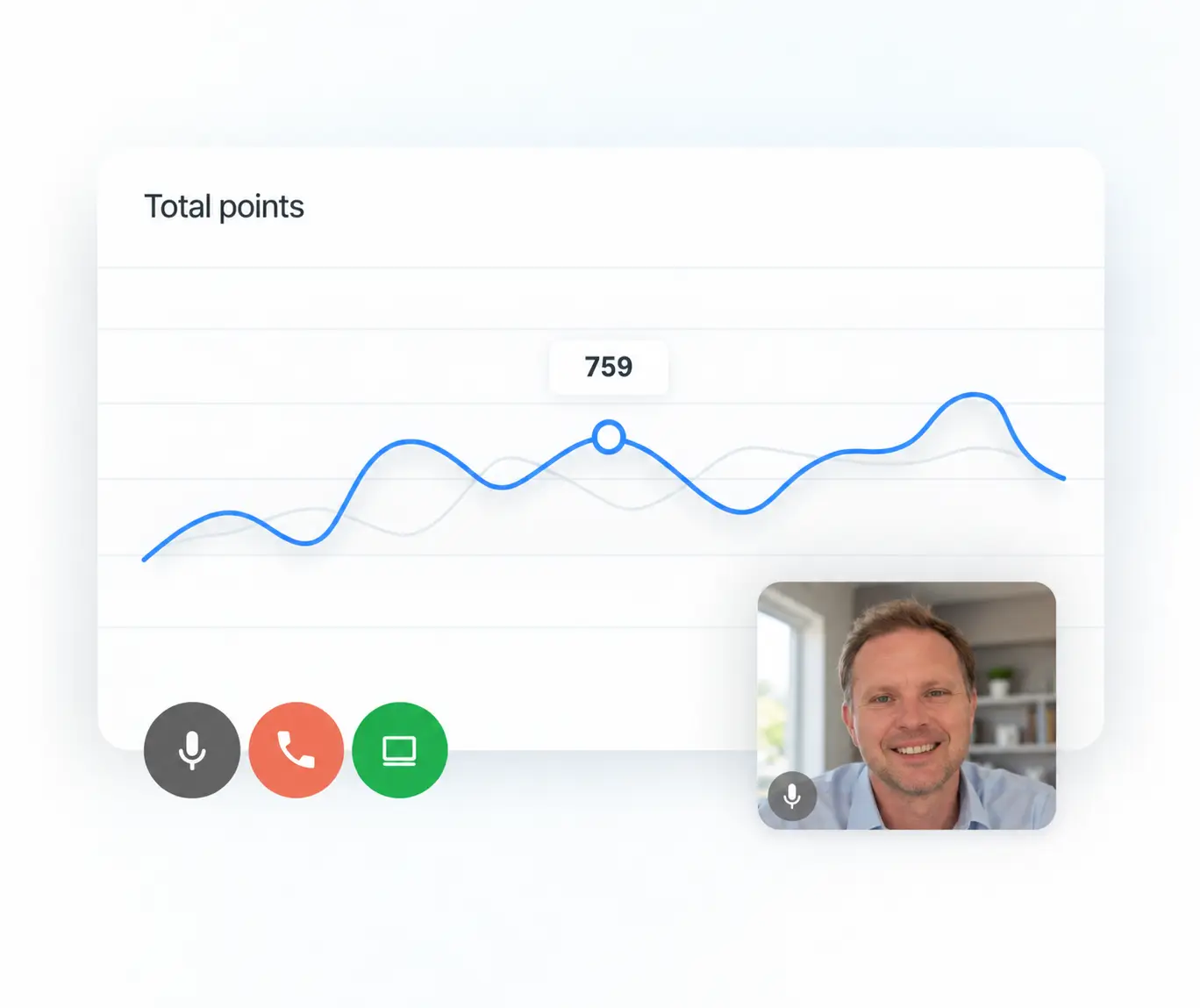
Gross profit plays a crucial role in understanding how efficiently a company generates income after accounting for direct costs such as labor, materials, and production expenses. It provides a quick measure of profitability and indicates how much money remains to cover other essential expenses.
Understanding Gross Profit
Gross profit is a key financial metric that helps businesses assess their core profitability by examining revenue minus the cost of goods sold (COGS).
- Calculated as: Revenue - Cost of Goods Sold (COGS)
- Reflects the efficiency of production and pricing strategies
- Indicates the funds available for operating expenses
Benefits of Tracking Gross Profit
Monitoring gross profit offers several advantages that contribute to better financial management and strategic planning.
- Profitability Insight: Helps in understanding the profitability of core operations.
- Cost Management: Identifies areas where cost reductions can improve efficiency.
- Pricing Strategy: Aids in setting competitive pricing while maintaining profitability.
How to Calculate Gross Profit
Calculating gross profit is a straightforward process, allowing businesses to quickly assess their financial health.
- Step 1: Determine the total revenue generated from sales.
- Step 2: Calculate the total cost of goods sold (COGS), including labor, materials, and production costs.
- Step 3: Subtract the COGS from the total revenue to find the gross profit.
Common Mistakes to Avoid
To ensure accurate gross profit assessments, avoid these common errors:
- Inaccurate COGS Calculation: Ensure all direct costs are included in the COGS.
- Ignoring Indirect Costs: Recognize that gross profit does not account for indirect expenses like marketing and administration.
- Overlooking Seasonal Variations: Consider how seasonal changes may impact revenue and costs.
Using Gross Profit for Strategic Growth
Gross profit analysis can inform strategic decisions that drive business growth and sustainability.
- Investment Decisions: Use gross profit to evaluate which areas of the business warrant further investment.
- Expense Management: Identify opportunities to reduce costs without compromising quality.
- Growth Opportunities: Recognize profitable products and services that can be expanded.


 Gray Digital Group
 Blitzy
 PermitFlow
 Dj Haer Jr