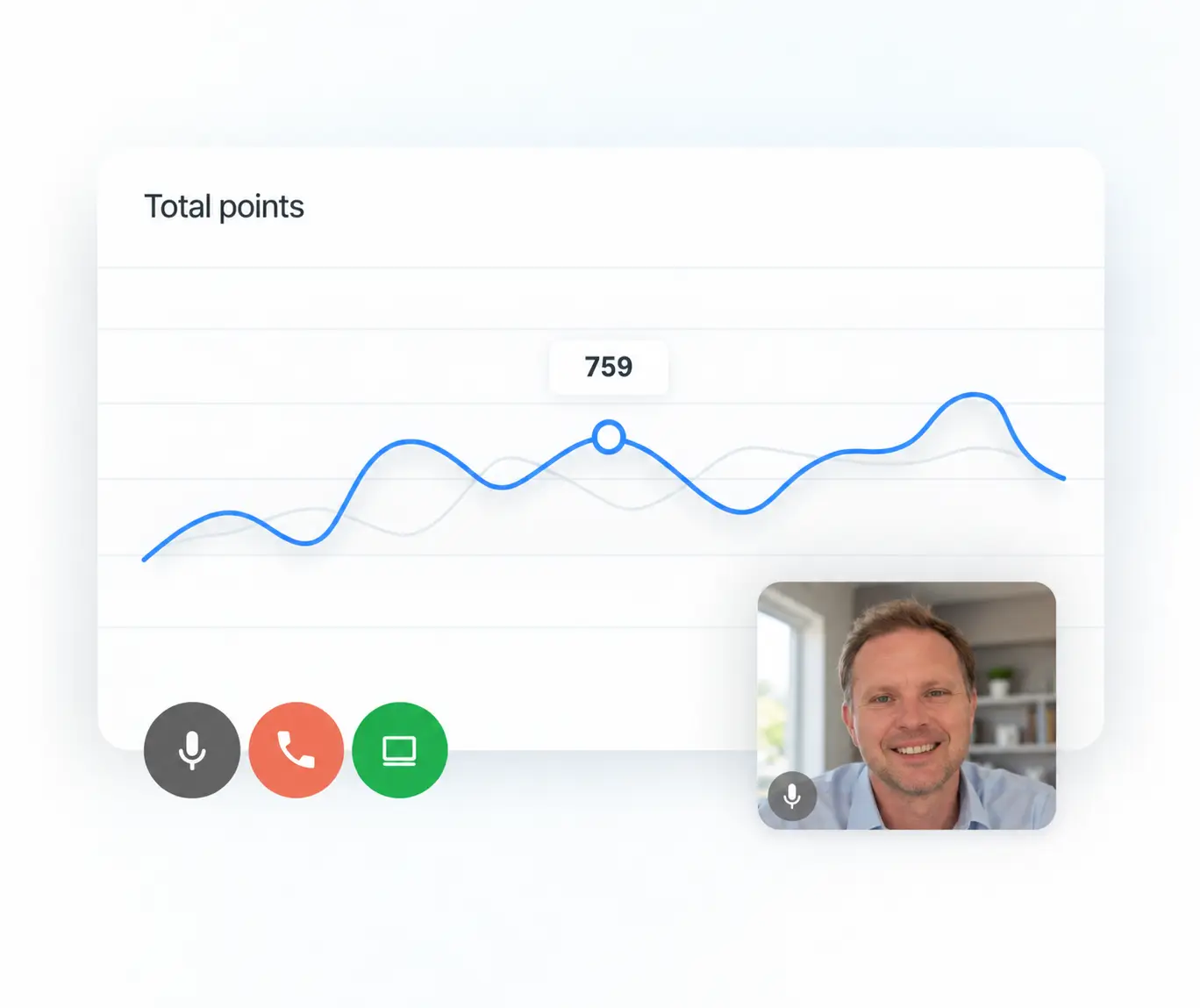
Understanding how to effectively use continuous data can significantly enhance decision-making processes. This guide explores the importance of continuous data and how it can provide deeper insights into user behavior and campaign performance.
Why Continuous Data Matters
Continuous data is crucial for gaining nuanced insights that discrete data cannot provide. Here's why it matters:
- Precision: Continuous data includes decimal points, variables, and intervals, offering a more precise measurement.
- Depth of Analysis: Enables a deeper understanding of trends and variations over time.
- Comprehensive Tracking: Allows for detailed tracking of user behavior and campaign performance.
How to Utilize Continuous Data for Better Decision-Making
Follow these steps to leverage continuous data effectively in your analytics efforts:
- Step 1: Identify Key Metrics: Determine which continuous data metrics are most relevant to your objectives.
- Step 2: Collect Data: Use tools and software to gather continuous data from various sources.
- Step 3: Analyze Trends: Look for patterns and trends within the data to inform strategic decisions.
- Step 4: Make Informed Decisions: Use the insights gained to guide business strategies and improve outcomes.
Benefits of Continuous Data Analysis
Continuous data analysis presents numerous benefits that enhance decision-making capabilities:
- Improved Accuracy: Provides a more accurate picture of your data landscape.
- Enhanced Predictive Capabilities: Helps forecast future trends and behaviors based on historical data.
- Greater Insights: Delivers detailed insights that can lead to more effective strategies.
Best Practices for Continuous Data Utilization
Adopt these best practices to maximize the benefits of continuous data:
- Regular Monitoring: Continuously monitor data to stay updated with the latest trends.
- Data Integration: Integrate continuous data with other data types for a comprehensive view.
- Utilize Advanced Tools: Employ advanced analytics tools for in-depth analysis and visualization.



 Gray Digital Group
 Blitzy
 PermitFlow
 Dj Haer Jr