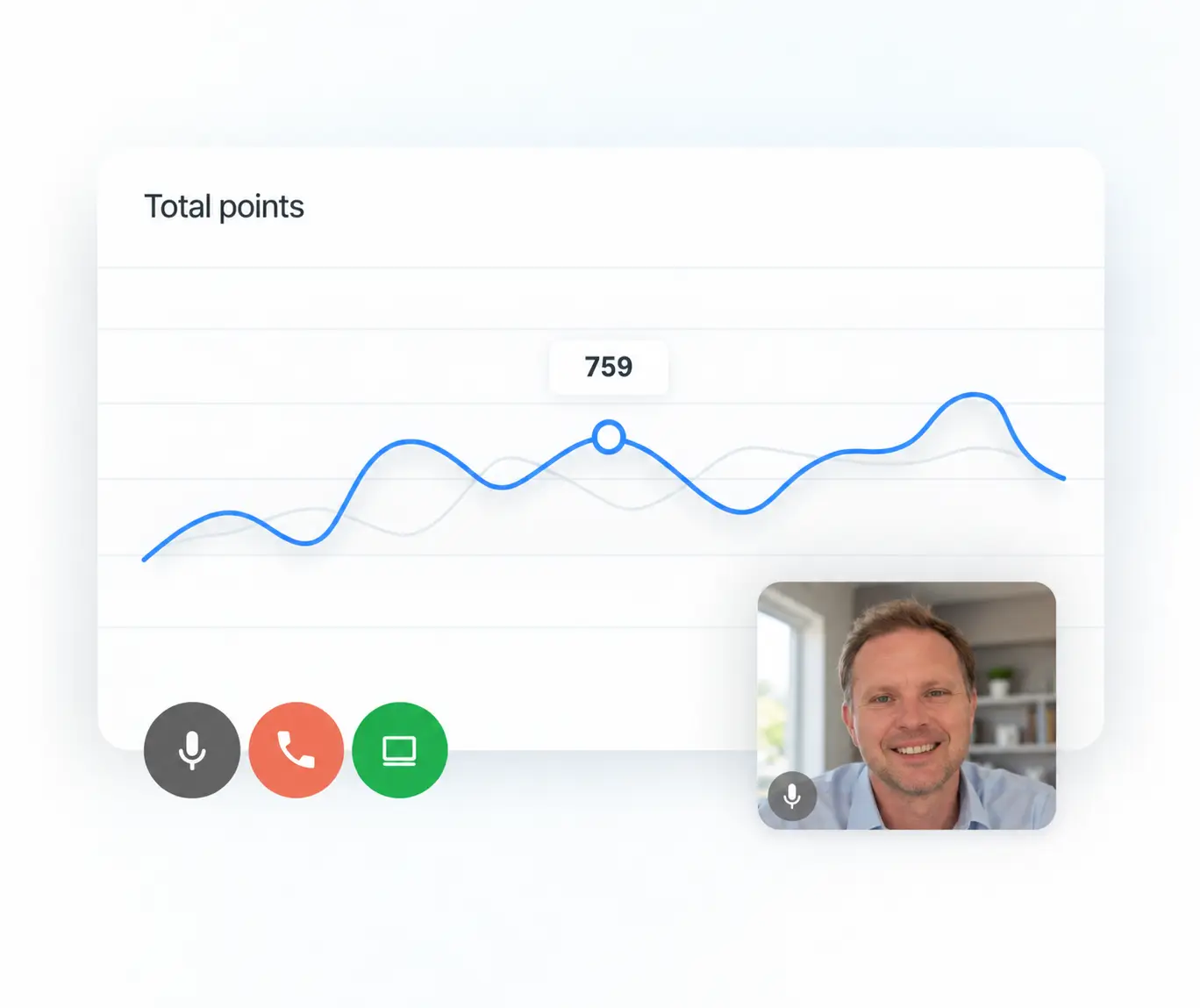
Aggregated data plays a crucial role for agencies by offering a real-time overview of all campaigns. It identifies early signs of underperformance, reveals optimization opportunities, and highlights high-impact wins. By consolidating inputs from multiple data sources, teams can transition from scattered metrics to a cohesive view, enhancing focus and driving better strategy.
Benefits of Using Aggregated Data
Aggregated data helps agencies streamline their processes and make informed strategic decisions. Here are the key benefits:
- Provides a comprehensive view of campaign performance.
- Identifies early signs of underperformance for swift action.
- Reveals potential optimization opportunities.
- Uncovers high-impact successes for strategic replication.
How Agencies Can Leverage Aggregated Data
To fully utilize aggregated data, agencies should follow these steps:
- Step 1: Collect Data from Multiple Sources - Gather data from various campaigns and channels to ensure a comprehensive view.
- Step 2: Analyze Collected Data - Use analytical tools to identify trends, patterns, and anomalies.
- Step 3: Identify Key Performance Indicators (KPIs) - Focus on metrics that directly impact your strategic goals.
- Step 4: Implement Strategic Adjustments - Based on your analysis, adjust strategies to enhance performance.
- Step 5: Monitor and Optimize Continuously - Regularly review data to optimize campaigns and ensure ongoing success.
Key Takeaways
Aggregated data is essential for agencies aiming to improve their campaign performance and strategic outcomes. By leveraging comprehensive data insights, agencies can:
- Achieve a unified view of all marketing efforts.
- Enhance decision-making with accurate data insights.
- Proactively address underperformance issues.
- Optimize strategies for better results and client satisfaction.



 Gray Digital Group
 Blitzy
 PermitFlow
 Dj Haer Jr