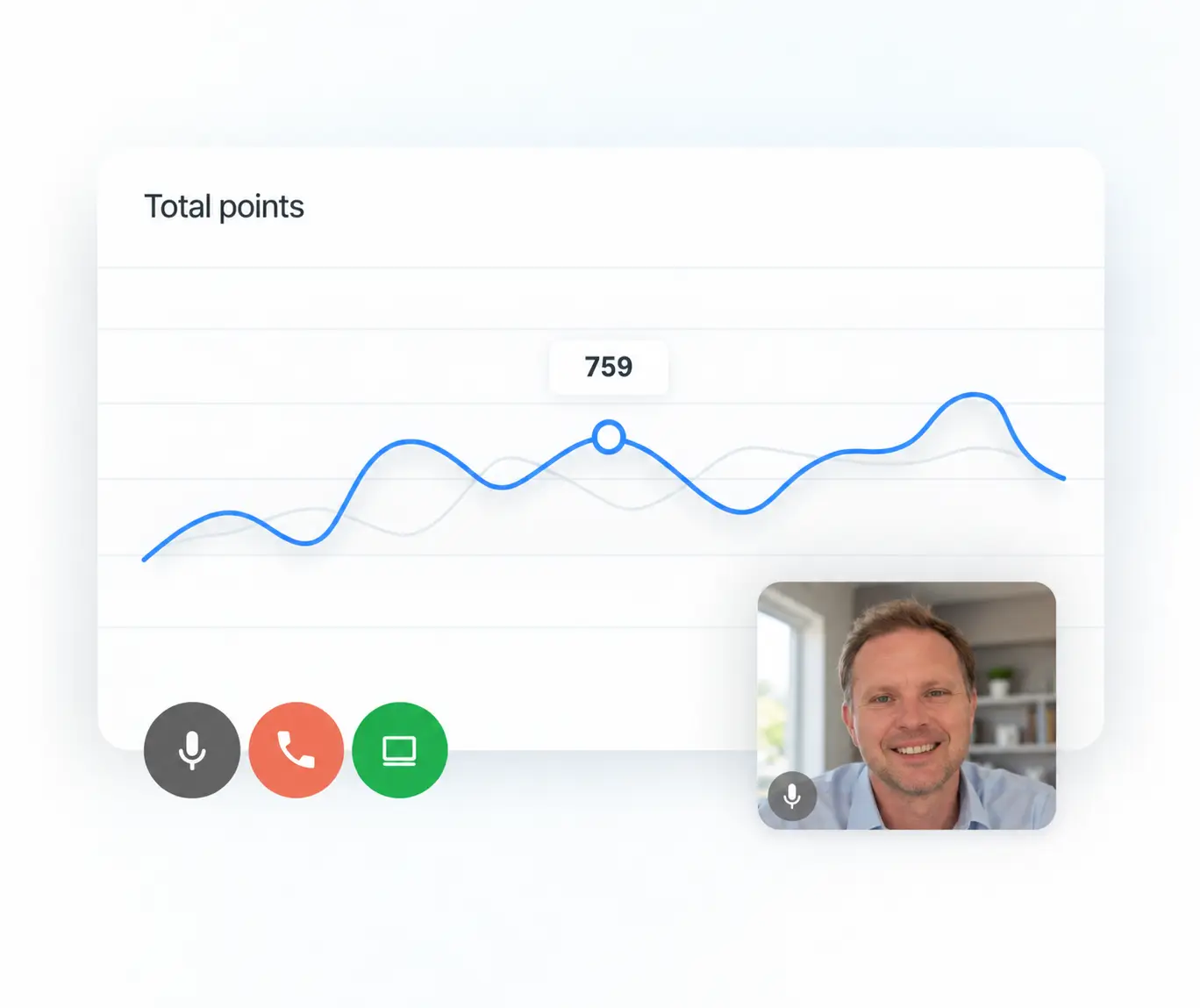
Agencies and clients view ROI from different perspectives. While clients often see ROI as a financial success indicator, agencies use it as a metric for trust and client retention. A strong ROI showcases an agency's ability to deliver value, aiding in client retention and attracting new business.
Why ROI Matters to Agencies
ROI is more than just a financial metric for agencies; it is a reflection of their effectiveness and value proposition. Here's why it matters:
- ROI demonstrates the agency’s ability to generate returns on client investments, reinforcing trust.
- A favorable ROI enhances the agency's reputation, facilitating client retention.
- High ROI figures can be leveraged in marketing efforts to attract new clients.
How to Leverage ROI for Agency Growth
Utilizing ROI effectively can propel an agency’s growth through improved client relationships and new business opportunities. Follow these steps to leverage ROI for growth:
- Step 1: Measure ROI Accurately. Ensure that your ROI calculations are accurate and transparent. This builds trust with clients and provides a clear picture of performance.
- Step 2: Communicate Results to Clients. Regularly share ROI insights with clients. This demonstrates transparency and can strengthen client relationships.
- Step 3: Use ROI as a Marketing Tool. Showcase successful ROI stories in case studies and marketing materials to attract potential clients.
Best Practices for Improving ROI
Improving ROI requires strategic planning and execution. Consider the following best practices:
- Focus on High-Impact Campaigns: Prioritize campaigns that offer significant returns on investment.
- Optimize Resource Allocation: Allocate resources efficiently to maximize output and minimize costs.
- Regularly Review Performance: Conduct periodic reviews to identify areas for improvement and adjust strategies accordingly.
Common Mistakes to Avoid
Avoid these common pitfalls to ensure your agency maintains a strong ROI:
- Neglecting to Track Metrics: Failing to track relevant metrics can lead to inaccurate ROI calculations.
- Overlooking Client Communication: Lack of communication can erode trust, even if the ROI is positive.
- Ignoring Market Trends: Staying informed about market changes is crucial to maintaining and improving ROI.



 Gray Digital Group
 Blitzy
 PermitFlow
 Dj Haer Jr