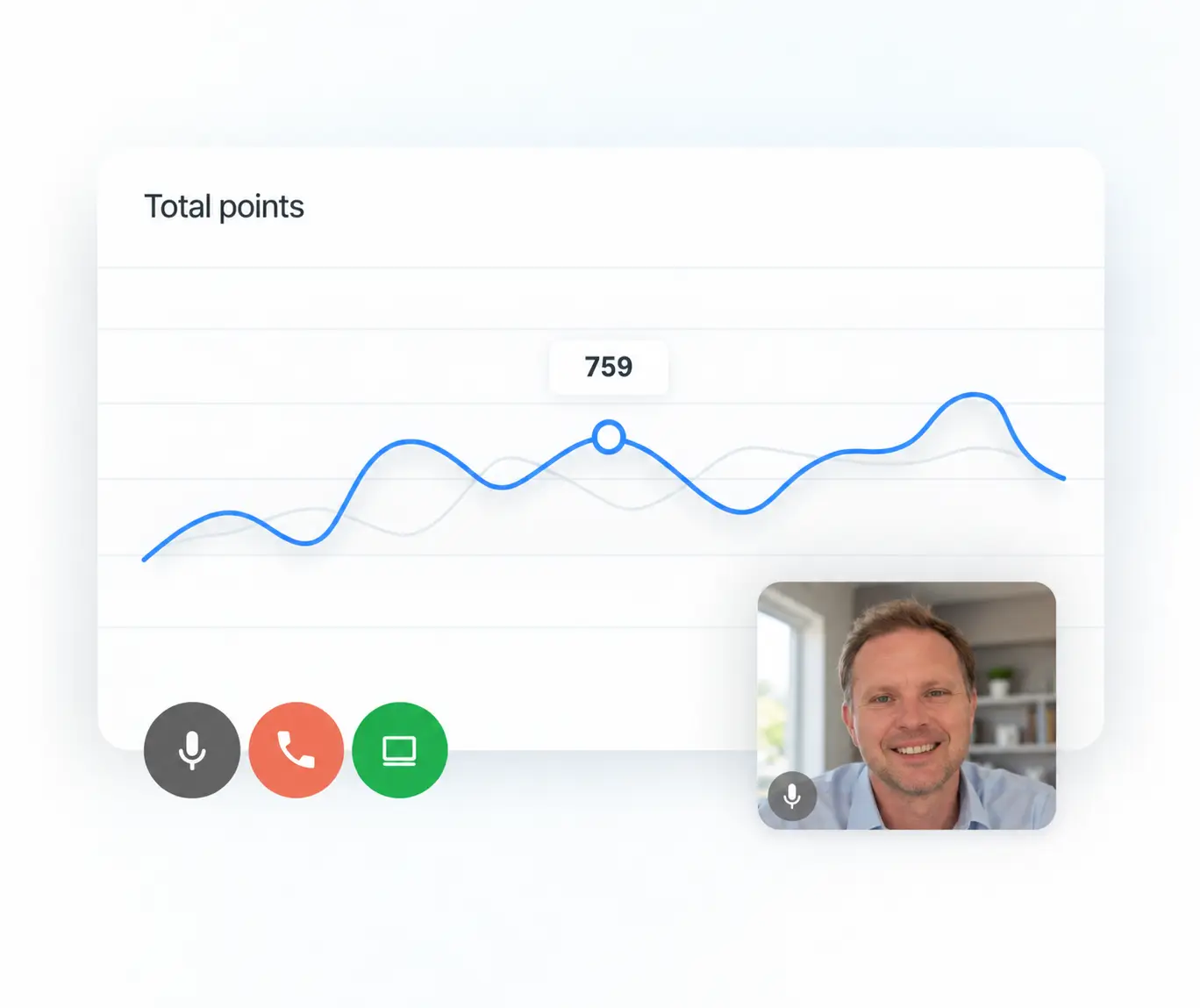
Managing marketing campaigns in 2026 is more complex than ever, with agencies juggling tight deadlines, multi-channel strategies, and clients who expect instant results. The stakes are higher, and the need for effective project management for marketing agencies has never been clearer.
This guide is here to help you navigate these new challenges. We’ll break down the latest methodologies, show you the tools that make a difference, outline step-by-step processes, and share strategies for seamless team and client communication.
Ready to streamline your agency’s workflow and stay ahead of the curve? Dive in for the insights you need.
The Evolving Landscape of Project Management in Marketing Agencies
Navigating project management for marketing agencies is becoming more complex every year. The rapid evolution of digital marketing, client expectations, and technology in 2026 has reshaped how agencies plan, execute, and deliver campaigns. Agencies that adapt their project management frameworks are better positioned to thrive in this demanding environment.

Key Challenges Facing Agencies in 2026
The landscape of project management for marketing agencies is shaped by several growing challenges. Agencies face a surge in project volume and complexity, largely due to the demands of omnichannel marketing. Compared to 2023, many are now handling 30% more projects each year, stretching resources and processes to their limits.
Clients expect faster turnaround and greater transparency. Campaign cycles are shorter, and agencies must provide real-time updates and reporting. Remote and hybrid work models are now the norm, pushing agencies to adopt digital-first workflows for distributed creative, technical, and account teams. Data security and client privacy have also become critical, with agencies navigating stricter regulations and client requirements.
Inefficient processes remain a major hurdle. According to a 2025 industry report, 67% of agencies say inefficient project management for marketing agencies is their biggest barrier to growth. In fact, 97% of agencies faced major campaign challenges in the past year, highlighting the urgent need for streamlined project management practices.
Shifts in Project Management Methodologies
To keep pace, project management for marketing agencies is shifting from traditional waterfall models to more flexible, agile, and hybrid approaches. These methodologies emphasize rapid iteration, adaptability, and cross-functional collaboration, helping teams respond quickly to changing client needs and market dynamics.
Kanban boards are becoming a favorite for real-time campaign tracking. Agencies use them to visualize workflow, prioritize tasks, and keep everyone aligned. This shift allows for more transparency and faster delivery. Automation and AI are also playing a larger role in task management. By 2025, 40% of agencies were already leveraging AI-powered project tracking tools to optimize schedules, allocate resources, and predict project risks.
Adopting these modern methodologies isn't just about speed. It's about fostering a culture where creative, technical, and account teams can collaborate seamlessly. When project management for marketing agencies evolves in this way, it not only boosts efficiency but also drives better client outcomes and agency growth.
Step-by-Step Project Management Process for Marketing Agencies
Navigating project management for marketing agencies in 2026 is all about clarity, structure, and adaptability. The right approach helps agencies deliver on client expectations, manage complex campaigns, and keep teams aligned even as project demands grow. Let’s break down the essential steps every agency should follow to transform chaos into consistent success.

1. Scoping and Planning
Every successful project management for marketing agencies journey begins with clear scoping and planning. Start by defining client goals, deliverables, timelines, and KPIs. This sets the foundation for transparency and accountability.
Draft a detailed Statement of Work (SOW) to ensure everyone’s expectations are aligned. Involve the client early to secure buy-in and reduce revisions later. Resource allocation is crucial, especially when multiple projects run in parallel. Using templates can cut scoping time in half, freeing up your team for creative work.
For agencies looking to streamline this phase, Agency project management resources offer practical tools and templates tailored to marketing workflows. This makes it easier to map out deliverables and allocate resources efficiently.
2. Task Assignment and Scheduling
Once the plan is set, break projects down into actionable tasks. Assign responsibilities based on each team member’s strengths and current workload. With project management for marketing agencies, balancing creative, technical, and account roles is key to hitting deadlines.
Modern tools like Gantt charts and Kanban boards give everyone a clear view of what’s next. Automated scheduling helps prevent bottlenecks. Agencies using these tools report 25 percent fewer missed deadlines, which means happier clients and less stress for your team.
3. Collaboration and Communication
Centralizing collaboration is the heartbeat of project management for marketing agencies. Create a shared digital workspace for files, feedback, and updates. When chat, video, and project notifications all live in one place, teams move faster and make fewer mistakes.
Regular check-ins, such as weekly progress calls, keep everyone on the same page and build trust with clients. Agencies that prioritize open communication see up to 15 percent higher client retention, proving that transparency pays off.
4. Monitoring, Reporting, and Optimization
Ongoing monitoring is where project management for marketing agencies really shines. Track budgets, timelines, and deliverables in real time to catch issues before they snowball.
Automated dashboards make reporting simple for both clients and internal teams. Use analytics to spot trends and make data-driven improvements. Agencies leveraging real-time dashboards see an 18 percent boost in project profitability, showing that optimization is more than a buzzword—it’s a competitive advantage.
Essential Project Management Tools and Integrations for Agencies
Navigating project management for marketing agencies in 2026 means having the right technology at your fingertips. With tighter timelines and more complex campaigns, agencies need tools that go well beyond simple task lists. The right platform can centralize work, improve accuracy, and free up hours each week for creative thinking.

Core Features Agencies Need
When it comes to project management for marketing agencies, core features make all the difference. At a basic level, your toolkit should include robust project tracking, flexible task management, and clear resource planning. These features help agencies keep multiple campaigns moving without missing a beat.
Time and expense tracking are just as crucial. They ensure accurate billing and help you spot overages before they become problems. Integrated quoting, invoicing, and contract management streamline the client experience from the very first proposal. Automated reminders, approval workflows, and audit trails keep everyone accountable and reduce the risk of missed steps.
Consider this: some agencies have replaced five separate tools with a single, integrated platform, saving over 10 hours per week per team. That’s time that can be reinvested in strategy and creative work, rather than chasing down files or approvals.
Integration with Marketing and CRM Platforms
The real power of project management for marketing agencies shows when your tools speak the same language as your CRM and marketing platforms. Integrating with systems like HubSpot or Salesforce means project data flows automatically between sales, marketing, and delivery teams. No more copying data or risking manual errors.
For example, agencies using custom tool integrations for agencies have cut manual data entry by 70 percent. Automated syncing ensures that updates, client details, and campaign milestones are always accurate and current. This level of connectivity not only saves time but also improves transparency for both teams and clients.
Ultimately, seamless integrations allow agencies to focus on high-value work, knowing that their technology backbone is handling the details behind the scenes.
Evaluating and Choosing the Right Tools
With so many options on the market, how do you choose the best solution for project management for marketing agencies? Start by looking for scalability, ease of use, and the ability to customize workflows. Support is another key factor—agencies need responsive help, especially during onboarding or when scaling up.
Agency-specific platforms often deliver better results than generic project management software. Features tailored for creative teams, client communication, and real-time reporting can make a world of difference. According to recent surveys, 55 percent of agencies plan to switch tools in 2026 to achieve better integration and workflow alignment.
Choosing the right stack isn’t just about features—it’s about finding a platform that grows with your agency and supports your unique way of working.
Enhancing Team Collaboration and Client Communication
Fostering collaboration and seamless communication is at the heart of effective project management for marketing agencies. As agencies juggle complex campaigns and distributed teams, building strong internal and external communication frameworks is no longer optional—it's essential for success.

Building a Collaborative Agency Culture
A collaborative culture transforms how project management for marketing agencies operates day to day. It starts with transparency—making sure everyone knows their roles, responsibilities, and deadlines. When teams use shared boards and real-time chat, they can spot potential issues early and quickly adapt.
Accountability is just as important. Agencies that recognize and reward teamwork see higher morale and better outcomes. For example, using platforms like Enhancing agency collaboration enables creative, technical, and account teams to work together in a centralized space. This approach not only simplifies communication, it also breaks down silos and encourages creative problem solving.
Encouraging cross-functional teamwork means everyone—from designers to strategists—has a voice. Over time, this builds trust and speeds up campaign delivery, core goals in project management for marketing agencies.
Streamlining Client Interactions
Client communication can make or break project management for marketing agencies. Centralized client portals are now the norm, letting clients access project updates, submit approvals, and provide feedback in one place. Automated onboarding and timely progress notifications keep clients informed without endless email chains.
Agencies that use Client portal for marketing agencies have seen client satisfaction rise, thanks to easy access and branded experiences. These portals also reduce confusion, since clients always know where to find the latest files or timelines.
With project management for marketing agencies, the key is to give clients transparency and control while maintaining a streamlined workflow. When clients feel involved and in-the-loop, they’re more likely to stay engaged and renew contracts.
Managing Feedback Loops and Approvals
Feedback and approvals are the final pieces of the puzzle for project management for marketing agencies. Structured workflows help manage revision requests, sign-offs, and creative asset changes. Version control tools track every edit and comment, so nothing gets lost or miscommunicated.
Clear communication protocols ensure that feedback cycles don’t spiral out of control. Agencies that standardize these processes cut down on revision rounds, accelerate project timelines, and keep both clients and teams on the same page.
By prioritizing structured approvals and transparent feedback, agencies can deliver campaigns faster while maintaining quality—a core benefit of effective project management for marketing agencies.
Future Trends in Marketing Agency Project Management
The future of project management for marketing agencies is being shaped by fast-evolving tech, new client demands, and the realities of remote work. As we look ahead to 2026, agency leaders need to stay ahead of these shifts to remain competitive and deliver results. Let's explore the trends that are redefining project management for marketing agencies and what you should expect in the coming years.
The Rise of AI and Automation
Artificial intelligence is transforming project management for marketing agencies from the inside out. Agencies are now using AI-driven tools for smarter resource allocation, automated time tracking, and campaign optimization. These platforms can spot bottlenecks, predict risks, and suggest workflow improvements in real time.
For example, predictive analytics are helping managers forecast project profitability and adjust strategies before issues arise. AI assistants are also becoming standard, providing 24/7 support for teams and clients.
If you want to dive deeper into how automation is reshaping agency workflows, check out AI marketing automation trends for 2026 for more insight into the latest advancements.
Increased Emphasis on Data Privacy and Security
Data privacy is now a top priority in project management for marketing agencies. With regulations like GDPR and CCPA expanding, agencies must ensure all client data is managed securely and communications are encrypted.
Clients are more informed than ever, with 60% now asking about privacy practices during onboarding. Secure client portals, strict access controls, and regular compliance reviews are quickly becoming best practices.
Agencies that prioritize data security not only protect themselves from risk but also build trust with clients who are increasingly aware of these issues.
Remote Work and Global Teams
The shift to remote and hybrid teams is here to stay, and it's redefining project management for marketing agencies. Agencies are now managing distributed teams across multiple time zones, requiring robust cloud-based tools and asynchronous communication practices.
Collaboration platforms allow creative, technical, and account teams to work together smoothly, regardless of location. Agencies with global teams report 30% faster project delivery thanks to these innovations.
Adapting to remote work means rethinking how projects are staffed, tracked, and delivered, making flexibility a must-have for future-ready agencies.
Evolving Client Expectations
Clients expect more from project management for marketing agencies than ever before. Real-time updates, transparent workflows, and self-service access to project data are quickly becoming the norm.
Agencies are responding by offering branded portals, real-time dashboards, and a more consultative approach to project management. In fact, 72% of clients now consider real-time project visibility a top priority.
As expectations rise, agencies that embrace transparency and proactive communication will stand out and build stronger, longer-lasting client relationships.
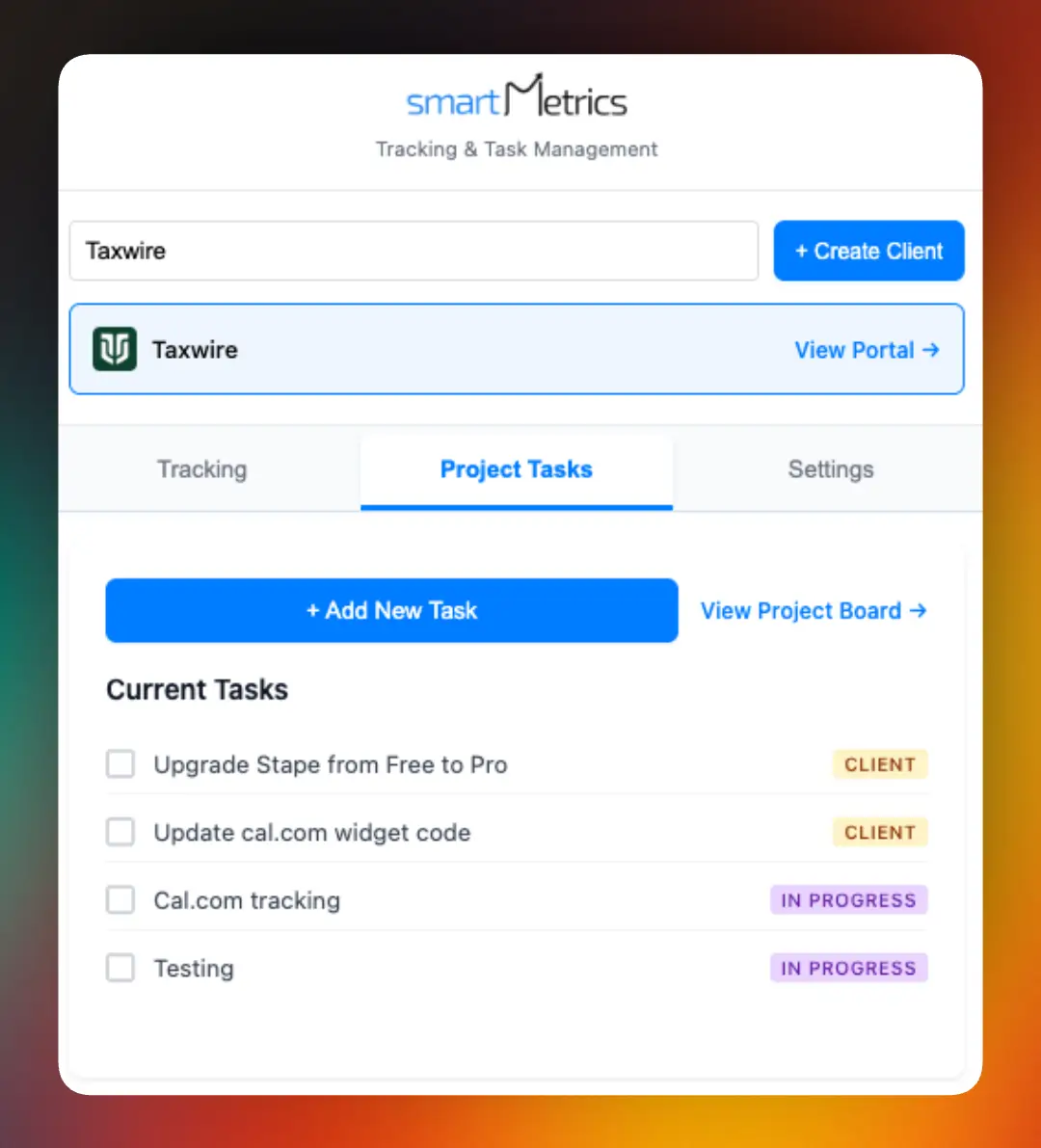
You’ve seen just how much project management has evolved for marketing agencies—more projects, higher client expectations, and the push for faster, smarter workflows. If you’re ready to streamline your own agency’s processes, boost team collaboration, and deliver a truly branded client experience, why not take the next step? With SmartMetrics, you can access tools designed specifically for agencies like yours, from automated project boards to integrated reporting and client portals. It’s a practical way to put everything you’ve learned into action—no hassle, just results.
Get Started for Free


 Gray Digital Group
 Blitzy
 PermitFlow
 Dj Haer Jr