The transition from a Marketing Qualified Lead (MQL) to a Sales Qualified Lead (SQL) is a pivotal process in the sales and marketing funnel. This guide explores effective strategies to enhance this conversion rate, thereby streamlining the overall sales process.
Understanding the MQL to SQL Process
Before diving into optimization strategies, it's crucial to understand the journey from MQL to SQL.
- Marketing Qualified Leads (MQLs): These are leads that have shown interest in a product or service through marketing efforts.
- Sales Qualified Leads (SQLs): These are MQLs that have been vetted and deemed ready for direct sales engagement.
- The conversion from MQL to SQL involves evaluating the lead's readiness and fit for the business.
Factors Influencing MQL to SQL Conversion
Several factors impact the rate at which MQLs are converted to SQLs. Understanding these can help improve conversion strategies.
- Lead Quality: High-quality leads that match the business's ideal customer profile are more likely to convert.
- Timely Follow-up: Prompt engagement with MQLs increases the likelihood of conversion.
- Alignment Between Teams: Ensuring that marketing and sales teams have aligned goals and criteria for MQLs and SQLs is crucial.
How to Improve MQL to SQL Conversion Rate
Implementing the following steps can significantly enhance the conversion rate from MQL to SQL.
- Step 1: Define Criteria Clearly: Establish clear criteria for what constitutes an MQL and an SQL. This clarity ensures both teams have a mutual understanding and focus.
- Step 2: Enhance Lead Nurturing: Develop targeted content and communication strategies to keep MQLs engaged and move them along the funnel.
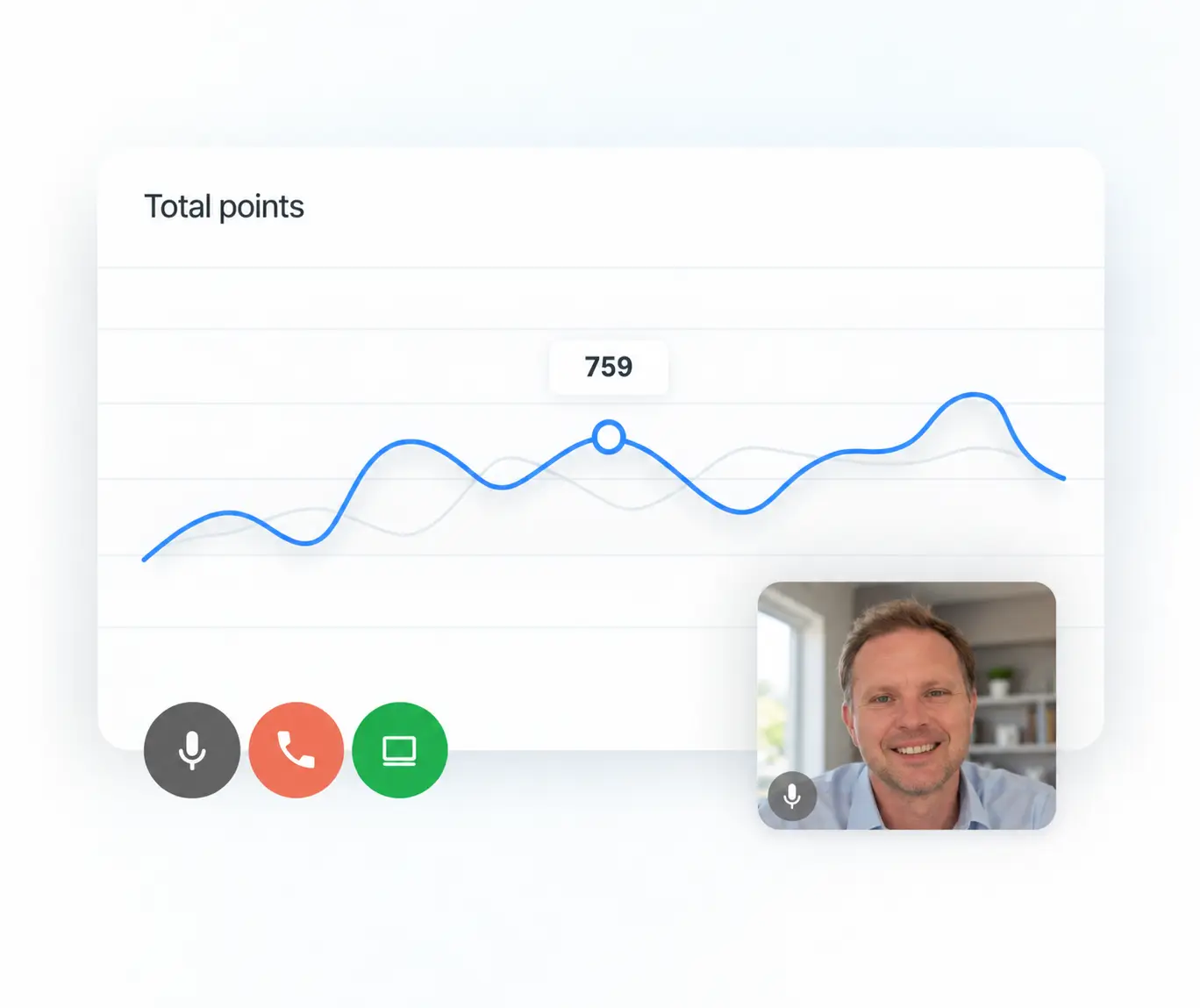
- Step 3: Implement Lead Scoring: Use lead scoring models to prioritize high-potential leads for quicker conversion to SQLs.
- Step 4: Align Marketing and Sales Efforts: Regular meetings between teams can ensure strategies are aligned and feedback is effectively used to refine lead qualification processes.
- Step 5: Utilize Analytics: Leverage data analytics to track conversion rates and identify patterns or bottlenecks in the process.
Best Practices for Sustaining High Conversion Rates
To maintain and improve conversion rates over time, consider implementing these best practices:
- Continuous Training: Regular training sessions for both sales and marketing teams can keep them updated on best practices and new strategies.
- Feedback Loops: Establish feedback mechanisms between sales and marketing to continuously refine the lead qualification process.
- Technology Integration: Use CRM systems and marketing automation tools to streamline lead management and nurturing processes.
- Regular Review: Periodically review and adjust lead scoring criteria and conversion strategies based on performance data.


 Gray Digital Group
 Blitzy
 PermitFlow
 Dj Haer Jr