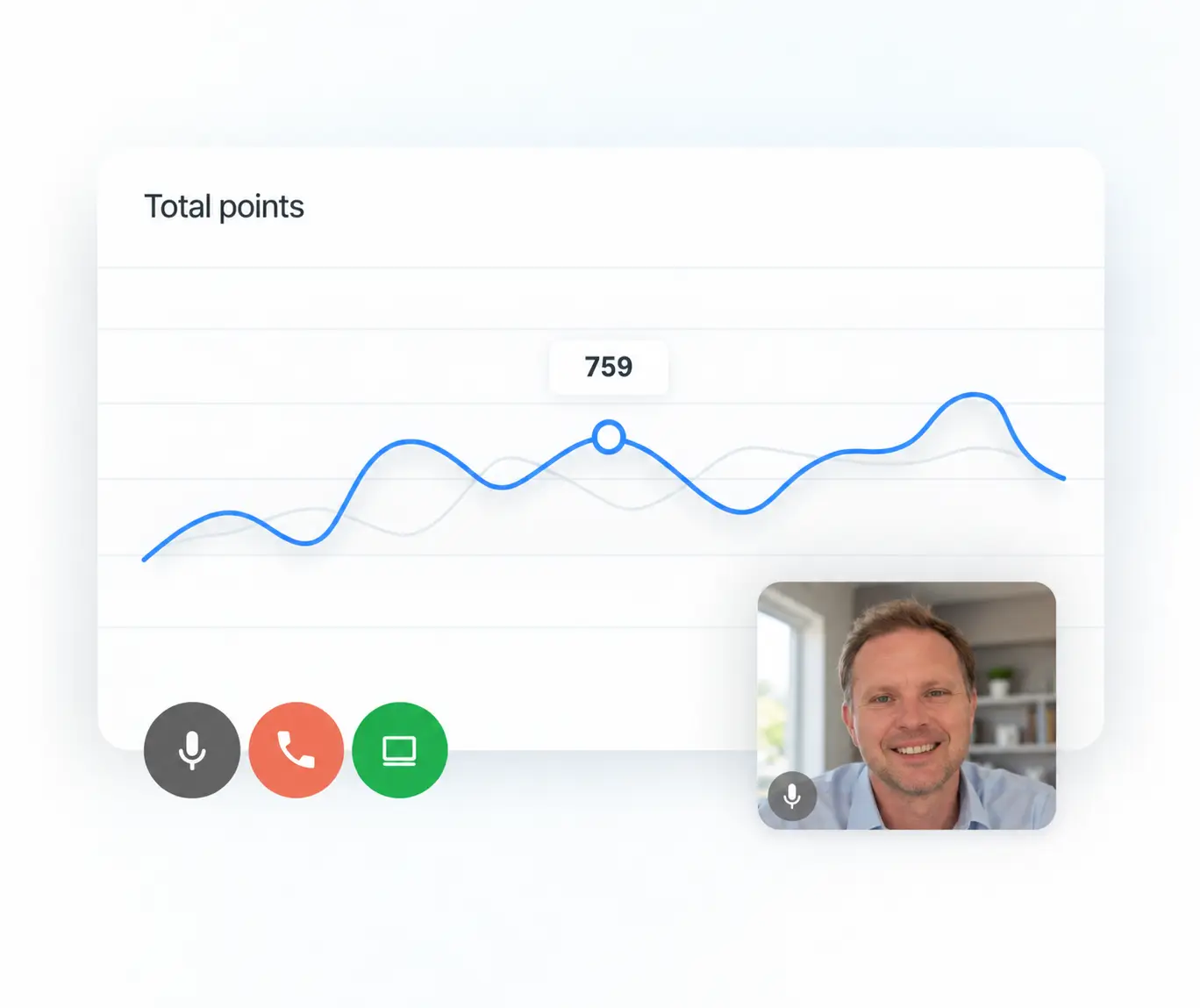
Net Revenue Retention (NRR) is a critical metric for agencies to assess the effectiveness of their campaigns. This guide explores why NRR matters and how it serves as a barometer for an agency's success in strategy implementation, customer acquisition, retention, and revenue growth.
Why Net Revenue Retention Matters
For agencies, NRR is vital for evaluating the impact of their strategies. A rising NRR indicates successful customer acquisition, retention, and revenue enhancement. Here’s why it’s essential:
- It showcases the agency’s ability to align products with market needs.
- It reflects the effectiveness of client retention strategies.
- It demonstrates revenue growth under the agency's management.
How to Monitor Campaign Effectiveness Using NRR
Monitoring NRR effectively involves several steps that agencies can follow to ensure comprehensive evaluation of their campaigns.
- Step 1: Calculate Current NRR - Determine the existing NRR to establish a baseline for comparison.
- Step 2: Analyze Client Retention Rates - Evaluate how well the current strategies retain existing clients.
- Step 3: Assess New Customer Acquisition - Measure the effectiveness of efforts to bring in new customers with a strong product-market fit.
- Step 4: Review Revenue Growth - Analyze the revenue growth to see if it aligns with the increase in NRR.
Key Benefits of High Net Revenue Retention
Achieving a high NRR offers numerous advantages for agencies, ensuring long-term success and client satisfaction.
- Demonstrates strong client relationships and loyalty.
- Indicates successful strategic alignment with client goals.
- Enhances agency reputation and attracts new clients.
Common Mistakes to Avoid When Evaluating NRR
Agencies must be cautious about potential pitfalls when assessing NRR to ensure accurate and meaningful insights.
- Ignoring fluctuations in market conditions that affect NRR.
- Overlooking the impact of external factors on client retention rates.
- Failing to segment NRR analysis by customer demographics or product lines.



 Gray Digital Group
 Blitzy
 PermitFlow
 Dj Haer Jr