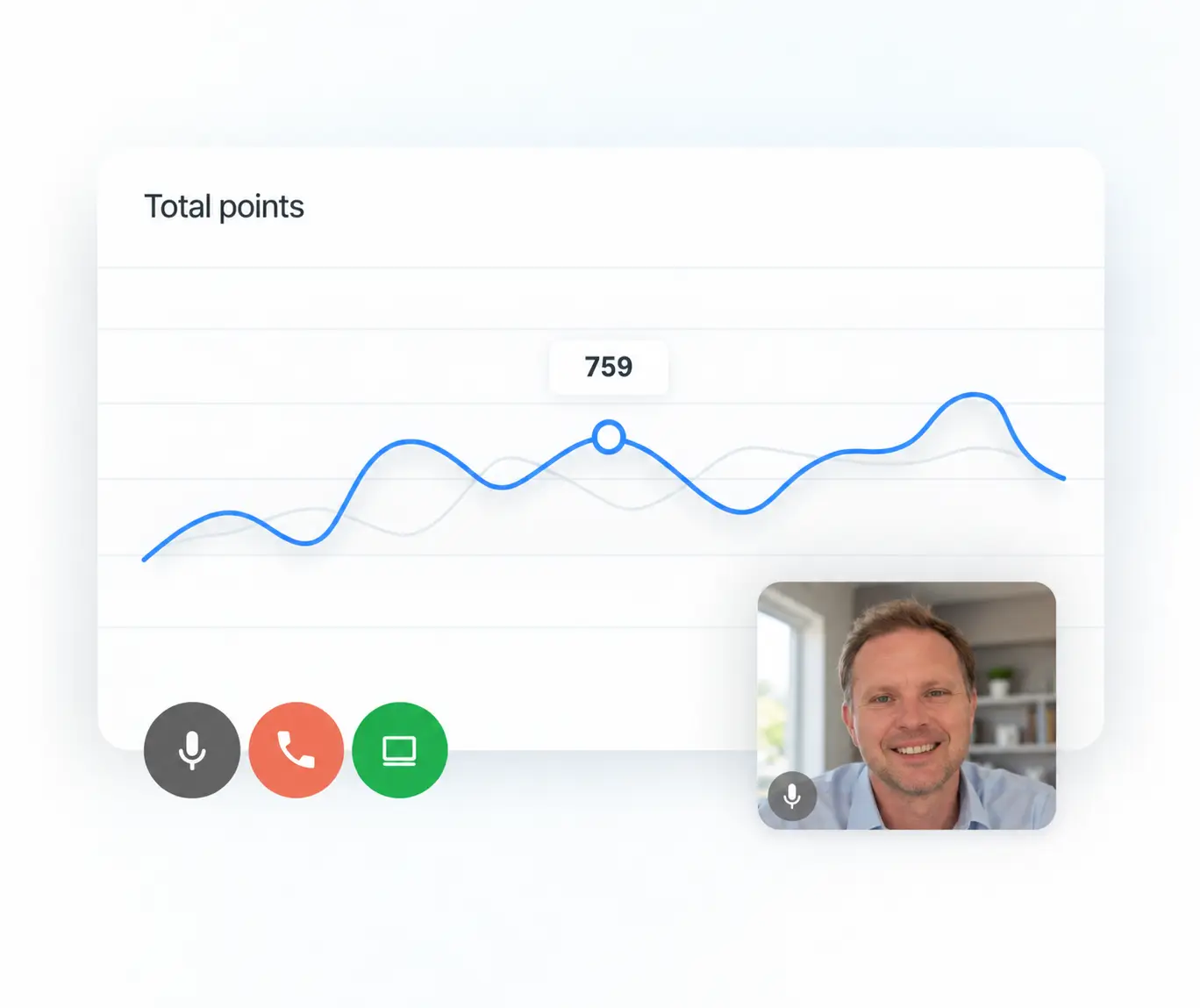
Strategic management of operating expenses (OPEX) is crucial for enhancing profitability and sustaining growth. By analyzing resource allocation and optimizing their contribution to core services, agencies can reduce unnecessary costs and improve margins.
Understanding Operating Expenses
Operating expenses are the costs associated with the day-to-day operations of a business. Effectively managing these expenses can lead to improved financial performance.
- Rent and utilities
- Salaries and wages
- Office supplies
How to Optimize OPEX
Optimizing OPEX involves a systematic approach to identify and reduce unnecessary expenses while enhancing operational efficiency.
- Step 1: Conduct a thorough OPEX audit - Review all current expenses to identify areas for potential savings.
- Step 2: Implement cost-saving technologies - Invest in technology that automates processes and reduces manual labor costs.
- Step 3: Negotiate with suppliers - Engage in negotiations to obtain better pricing or terms from suppliers.
- Step 4: Train employees - Provide training to enhance productivity and reduce errors.
Benefits of OPEX Optimization
Optimizing operating expenses can provide significant advantages for a business.
- Increased profitability
- Improved cash flow
- Enhanced competitive edge
Common Mistakes to Avoid
Avoid these common pitfalls when optimizing OPEX to ensure effective management and growth.
- Overlooking small expenses that add up
- Failing to regularly review and adjust budgets
- Neglecting employee training and development


 Gray Digital Group
 Blitzy
 PermitFlow
 Dj Haer Jr