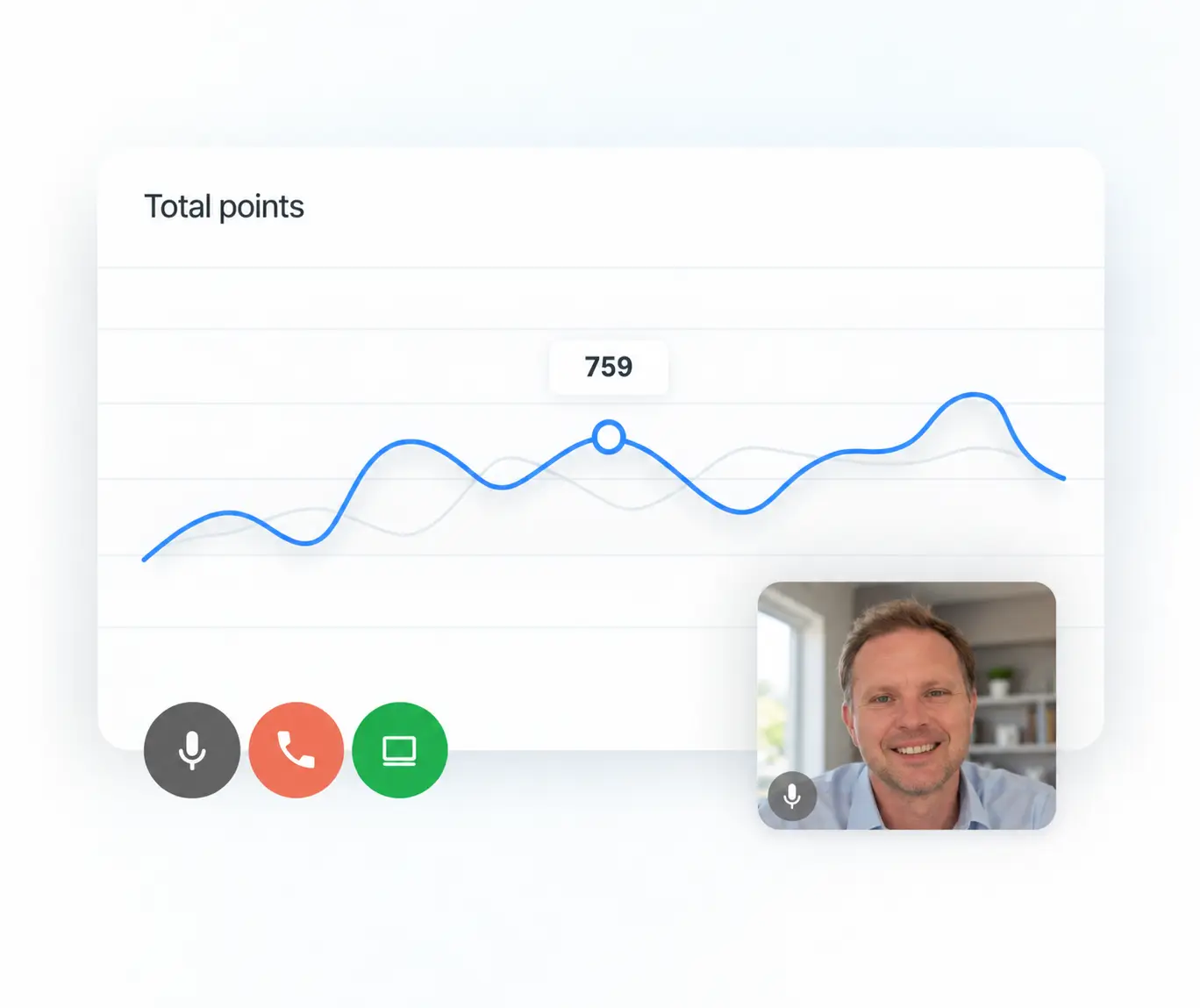
The time it takes for a potential customer to complete a purchase significantly impacts a business's revenue and efficiency. Faster conversion times mean a more efficient funnel, leading to more paying customers and better scalability. Conversely, longer conversion times can indicate obstacles in the sales process, delaying business growth.
Why Time to Conversion Matters
Understanding the importance of time to conversion can help businesses optimize their sales processes and improve results.
- Faster conversions lead to increased revenue.
- Efficient conversion processes improve business scalability.
- Longer conversion times may signal sales process obstacles.
How to Improve Time to Conversion
Improving time to conversion involves streamlining the customer journey and removing obstacles in the sales process.
- Step 1: Analyze the current conversion funnel to identify bottlenecks or delays.
- Step 2: Implement strategies to simplify the customer journey, such as reducing the number of steps to purchase.
- Step 3: Use data analytics to monitor conversion times and make data-driven decisions for improvements.
- Step 4: Train sales teams to respond promptly and effectively to customer inquiries.
Benefits of Faster Conversion Times
Faster conversion times offer several benefits that can enhance overall business performance.
- Increased customer satisfaction due to a streamlined purchasing process.
- Higher conversion rates, leading to more sales and revenue.
- Improved efficiency in resource allocation and marketing spend.
Common Mistakes to Avoid
Avoid these common pitfalls to ensure a smoother conversion process:
- Neglecting to analyze data and customer feedback.
- Overcomplicating the purchase process with unnecessary steps.
- Failing to provide adequate training for sales teams.


 Gray Digital Group
 Blitzy
 PermitFlow
 Dj Haer Jr