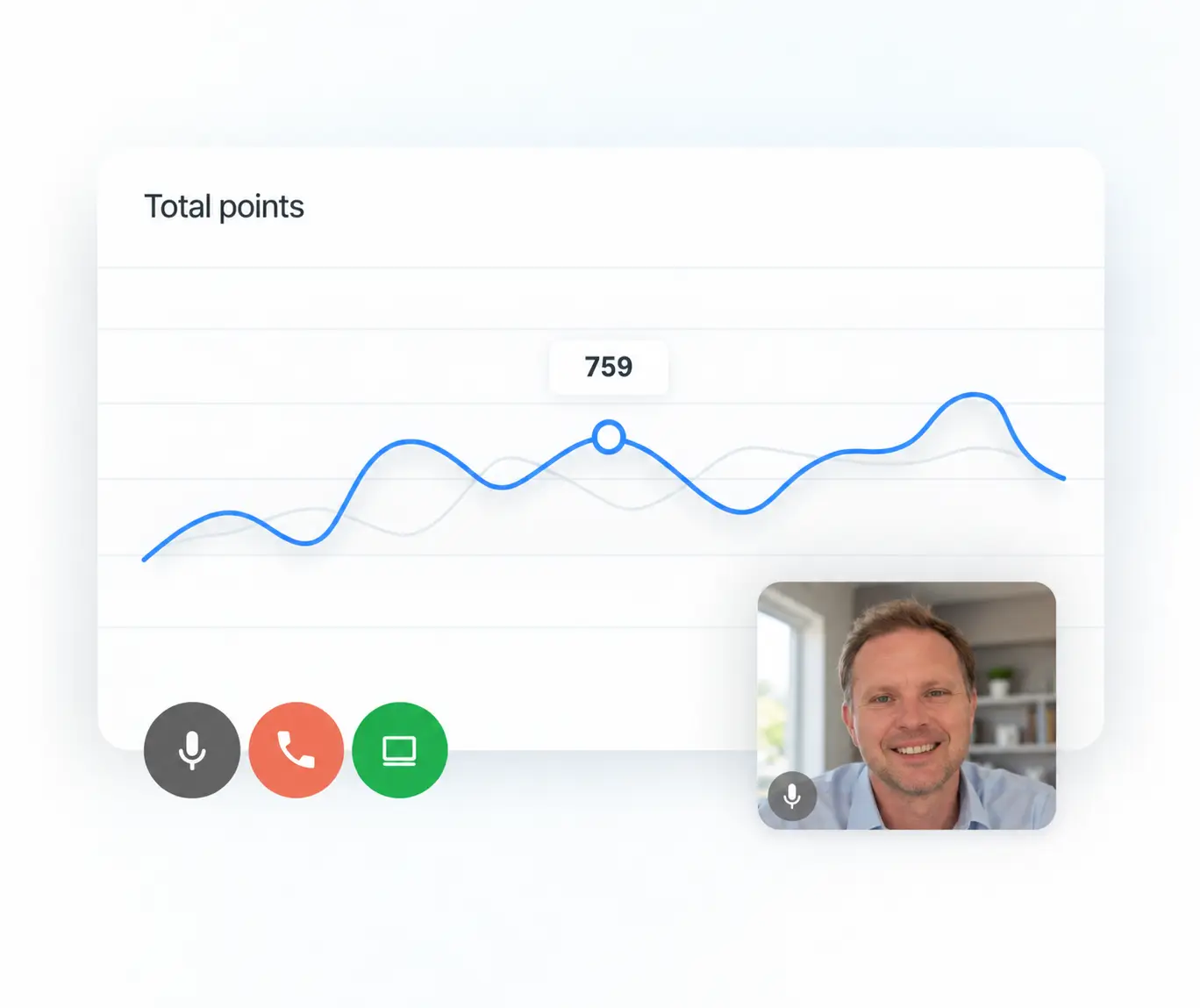
Understanding scroll depth is essential for agencies aiming to optimize user engagement. It reveals which content captures attention and which may deter visitors, providing insights into website design and user experience.
Why Scroll Depth Matters
Scroll depth offers a window into user behavior, highlighting how far visitors scroll on a page. This metric is crucial for understanding engagement levels and content performance.
- Identifies which content sections attract users.
- Indicates potential issues in content layout.
- Assists in optimizing call-to-action (CTA) placement.
How to Use Scroll Depth Insights
Effectively utilizing scroll depth data involves several key steps. Agencies can leverage this information to enhance website performance and user engagement.
- Step 1: Analyze sections with high engagement to identify successful content strategies.
- Step 2: Examine areas with low scroll depth to detect content or design issues.
- Step 3: Adjust CTA placement based on scroll behavior to improve conversions.
Best Practices for Monitoring Scroll Depth
Implementing effective practices for monitoring scroll depth ensures actionable insights are gathered for ongoing optimization.
- Use analytics tools to track scroll depth accurately.
- Regularly review scroll depth data to identify trends.
- Integrate findings into your content strategy for continuous improvement.
Common Mistakes to Avoid
Avoiding common pitfalls ensures that scroll depth analysis leads to meaningful improvements in user engagement and website performance.
- Ignoring scroll depth data when planning content strategies.
- Failing to act on low engagement areas of the page.
- Overlooking the importance of mobile scroll behavior.



 Gray Digital Group
 Blitzy
 PermitFlow
 Dj Haer Jr