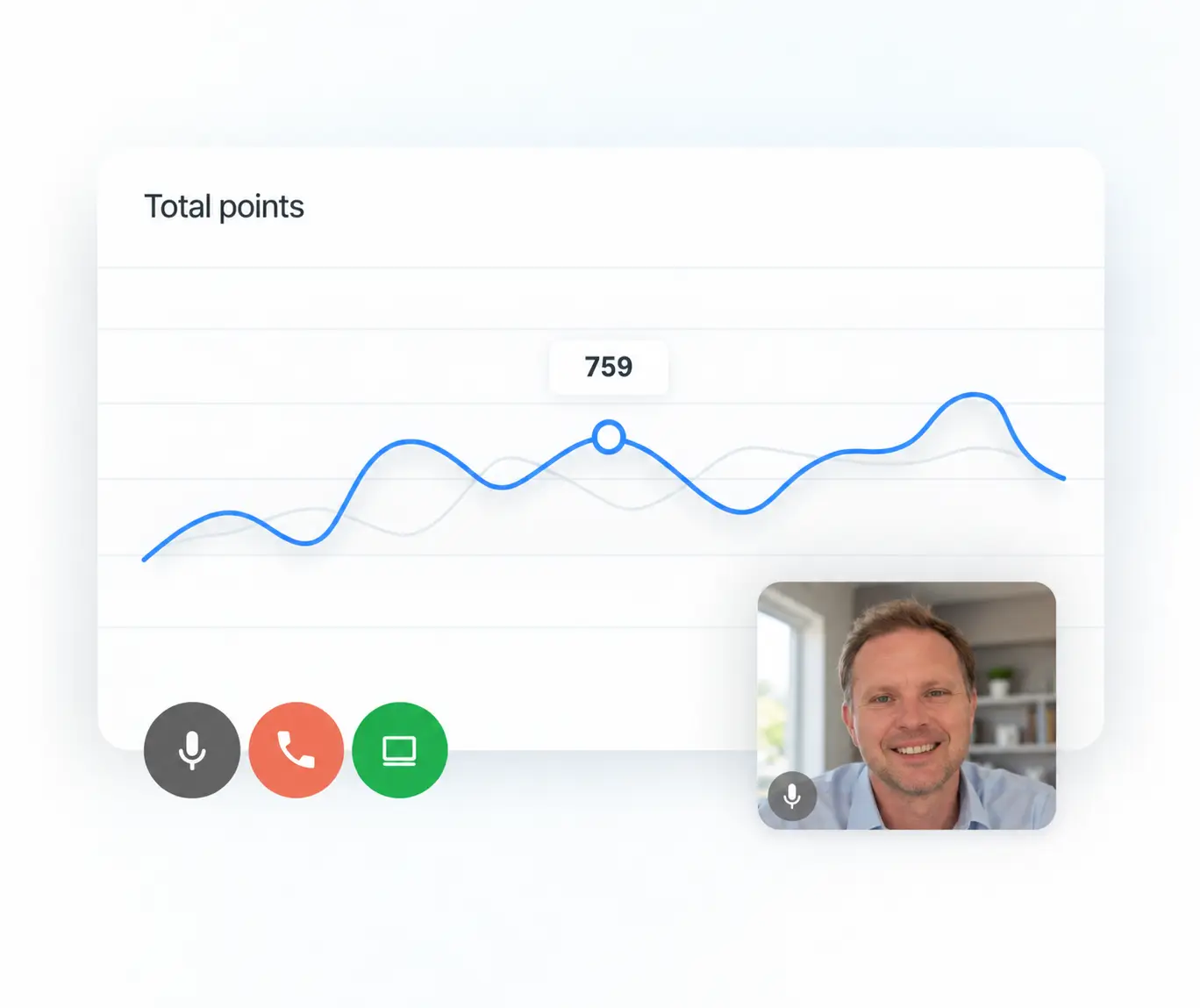
Engaged users play a crucial role in the success of any product or service. They are indicative of how effectively a product connects with its audience, leading to increased interactions, repeat visits, and higher conversion rates.
Why Engaged Users Matter
Understanding the significance of engaged users can help businesses enhance their strategies to build stronger customer relationships.
- Increased Interactions: Engaged users are more likely to interact with content, providing valuable feedback and insights.
- Repeat Visits: High engagement leads to users returning, which enhances brand loyalty and trust.
- Higher Conversion Rates: Engaged users are more likely to convert, boosting sales and revenue.
How to Increase User Engagement
Implementing effective strategies can significantly increase user engagement.
- Step 1: Understand Your Audience: Conduct research to know your audience's preferences and tailor content accordingly.
- Step 2: Create Valuable Content: Ensure the content is informative and provides value to the users.
- Step 3: Engage on Social Media: Utilize platforms like X (formerly Twitter) to interact with users and share engaging content.
- Step 4: Organize Events: Host events that encourage participation and foster community building.
Examples of Engaged User Platforms
Certain platforms are known for high user engagement, serving as excellent examples to learn from.
- Social Media Platforms: Apps like X (formerly Twitter) and Instagram see high user interaction through posts, comments, and shares.
- Online Communities: Platforms such as Reddit and Stack Overflow thrive on active user participation and content creation.
- Gaming Platforms: Services like Steam and Xbox Live maintain engagement through interactive features and community events.
Best Practices for Maintaining Engagement
Consistently applying best practices ensures sustained user engagement.
- Regular Updates: Keep content fresh and relevant to maintain user interest.
- User Feedback: Actively seek and implement user feedback to improve the user experience.
- Personalization: Tailor experiences to individual users to enhance satisfaction and loyalty.



 Gray Digital Group
 Blitzy
 PermitFlow
 Dj Haer Jr