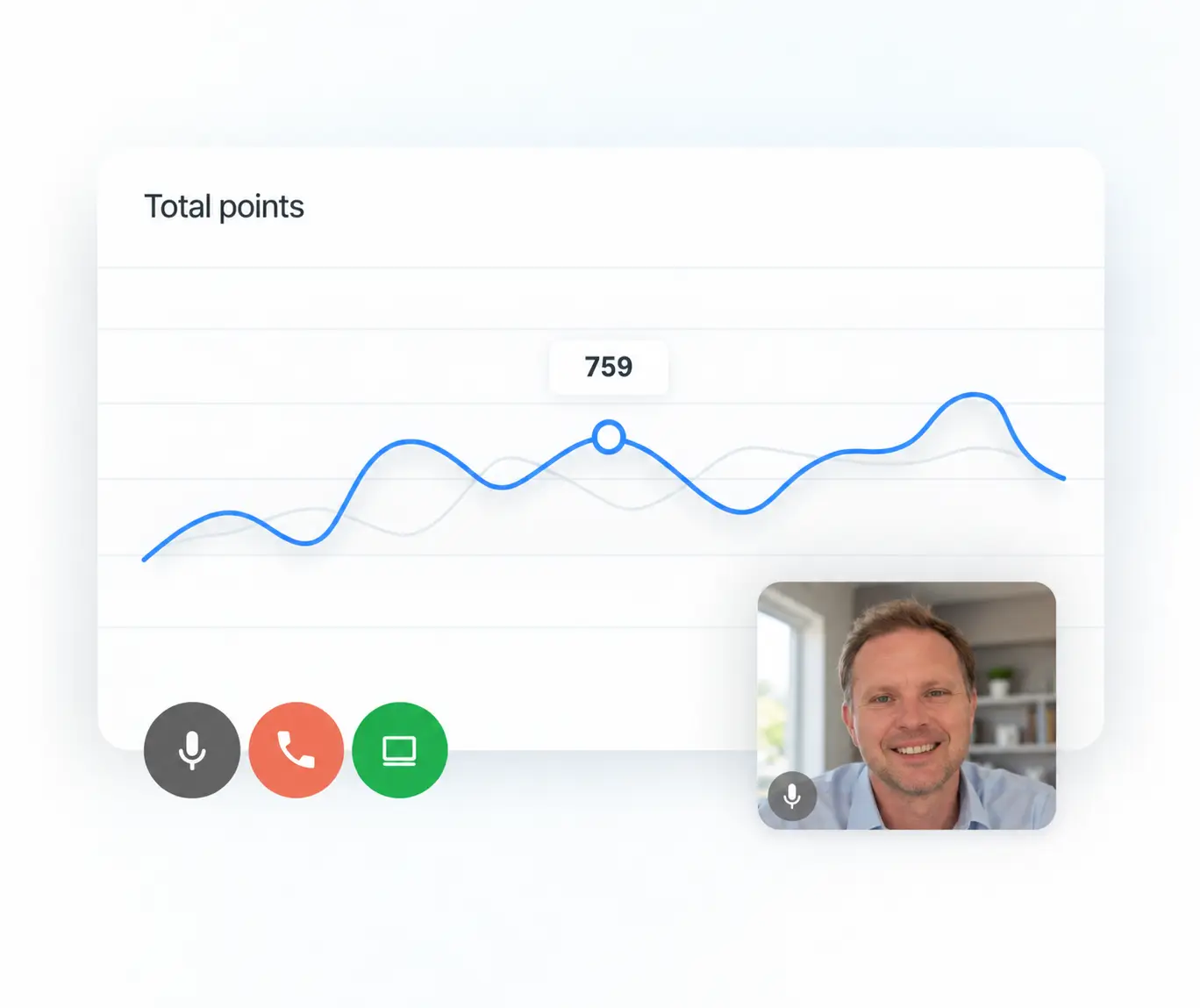
Explore the complex relationship between scroll depth and other key performance indicators like bounce rate and time on page. This guide provides a comprehensive analysis of how these metrics interact and influence user engagement.
The Importance of Scroll Depth
Scroll depth is a crucial metric for measuring how far visitors scroll down your web page. It provides insights into user engagement and content effectiveness.
- Helps understand user interaction with content
- Indicates whether content is engaging enough for users to explore further
- Can signal user intent and interest
How Scroll Depth Relates to Bounce Rate
Bounce rate measures the percentage of visitors who leave the site after viewing only one page. Understanding its connection with scroll depth can offer valuable insights into user behavior.
- Step 1: Analyze pages with high bounce rates and deep scroll depths. This can indicate that visitors are not finding what they are looking for, leading to a quick exit.
- Step 2: Compare scroll depth data with bounce rates to identify patterns. A high scroll depth with a high bounce rate might suggest that users are quickly skimming content.
Scroll Depth and Time on Page
Time on page is another significant KPI, representing how long a visitor spends on a page. It complements scroll depth by providing context on user engagement.
- Step 1: Assess pages where time on page is low, but scroll depth is high. This could imply that users are not engaging deeply with the content, leading to a short stay.
- Step 2: Identify content that maintains both a high scroll depth and a long time on page. This suggests effective engagement and content alignment with user interests.
Key Takeaways
Understanding the interplay of scroll depth, bounce rate, and time on page helps optimize content for better user engagement.
- Monitor these KPIs regularly to enhance content strategy.
- Adjust content based on user interaction patterns to improve overall site performance.
- Use insights from these metrics to create more engaging and informative content.



 Gray Digital Group
 Blitzy
 PermitFlow
 Dj Haer Jr