
Most teams already use AI. They just use it next to the CRM, not inside it.
A rep pastes a thread into ChatGPT. Gets a decent reply. Pastes it back into email. The CRM never learns what happened. The next person on the deal starts from scratch. Leadership still stares at a pipeline that looks precise and is not.
That pattern feels productive. It does not compound.
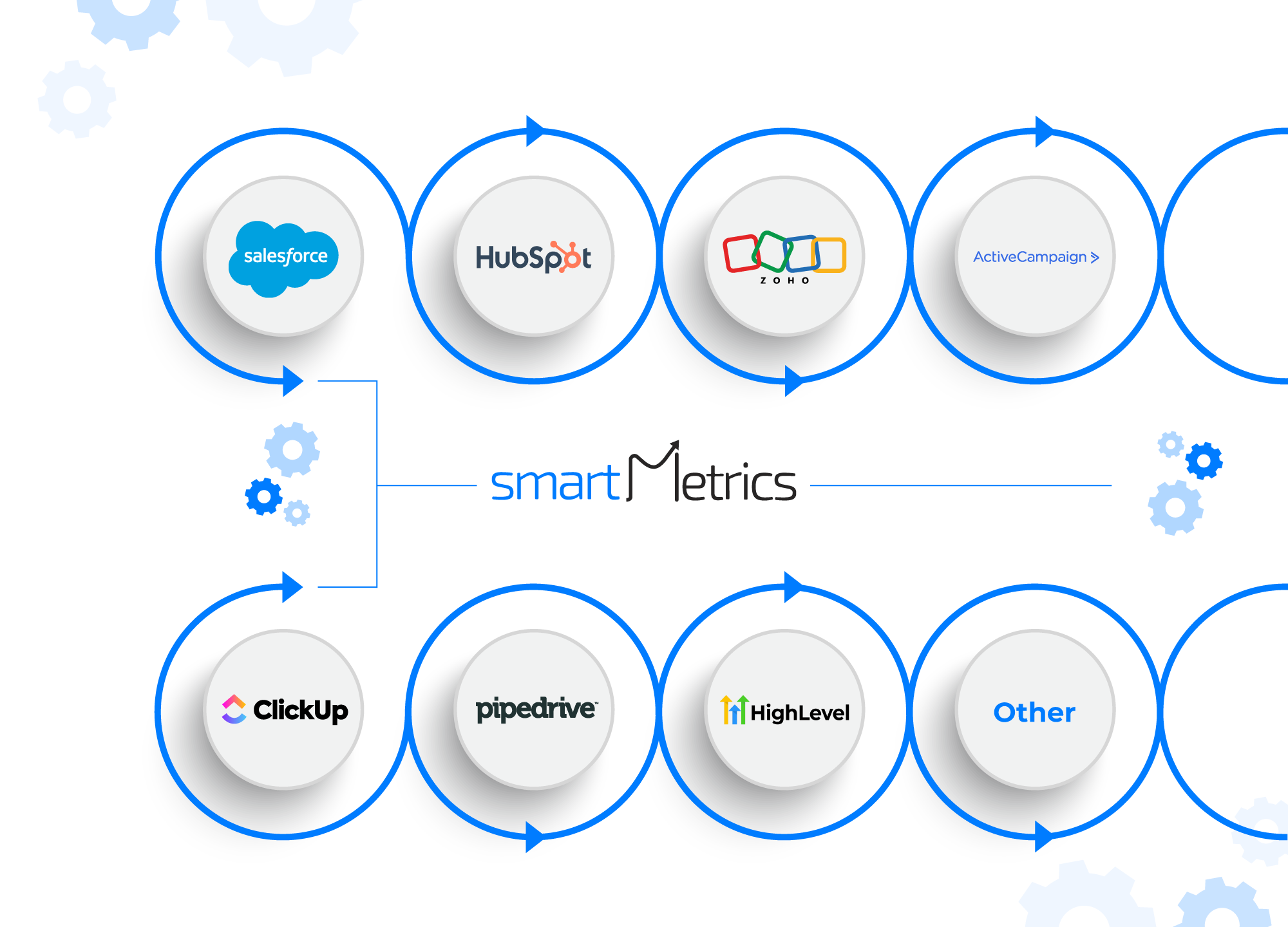
If you want AI to move revenue, it has to read and write the same system your team already lives in. HubSpot. Zoho. Salesforce. Attio. Whatever you run. Otherwise you are funding clever drafts and empty fields.
Side-chat AI fails for a boring reason
The model only sees what someone pasted. It misses stage history, owner, source, open tasks, and the last three notes that explain why the deal stalled.
So the output sounds smart and still misses the account. Worse, nothing lands back as structured data. No next step. No logged summary. No score update. The CRM stays trash, and next week's AI starts blind again.
What "in the CRM" actually means
AI in the CRM is not a chatbot wallpaper on the contact record. It is workflows that:
- Pull context from the record and related objects
- Do a bounded job (summarize, score, draft, route, remind)
- Write the result back into fields, notes, or tasks your team trusts
- Leave an audit trail a human can check
Examples that stick:
- After a call or email sync, write a short summary and next step on the deal
- Score or re-score leads when firmographic or activity data changes
- Draft a first reply for after-hours intake, then create the CRM record with source intact
- Flag zombie deals with no activity and open a task for the owner
- Clean obvious duplicates or missing required fields before a forecast meeting
Notice what is missing. Open-ended "do my job for me" agents with no limits. Those create messes you will clean for months.
Wire it by platform, not by vibe
HubSpot. Use native AI and workflows where the hubs already talk. Route, summarize, and sequence from the same contact timeline. Keep custom properties few and named for humans.
Zoho. Zia plus workflows and Blueprints. Deluge only when native tools cannot hold. If Zoho One is half used, fix that before you add more AI toys. Drift is still the main failure mode: https://smartmetrics.com/services/zoho
Salesforce. Agentforce and Flow beat one-off Apex for most teams. Budget for admin time. AI on a broken permission and automation pile just fails faster.
Attio. Flexible objects help if you designed the model. Flexible plus no governance becomes chaos after hire two. Point AI at clear lists and attributes, not a junk drawer.
Whatever you pick, connect email, calendar, forms, and phone first. AI cannot invent conversations that never synced.
Guardrails before you turn agents loose
Write the rules in plain language.
- What the agent may update
- What needs a human click
- Who it may email
- How source and attribution stay protected
- Where logs live when something looks wrong
Then pick one or two workflows with a measurable outcome. Missed-call follow-up rate. Time to first CRM note after a meeting. Percent of deals with a next step. Run them for 30 days. Keep what saves time. Kill what creates cleanup.
Track AI credit and usage cost the same way you track ad spend. "We turned on the pack" is not a result.
Data quality is the real unlock
AI on dirty stages, missing owners, and zombie automations will confidently make the mess prettier. It will not fix it.
Do a short cleanup sprint before a big AI rollout. Stages reps actually use. Required fields that matter. Assignment that survives a field rename. Source fields that ads and forms do not overwrite. That is the unsexy work that makes every AI feature look smarter.
Where SmartMetrics fits
I build the systems layer around your CRM. Audit and fix drift. Connect the stack. Wire attribution to booked work. Add AI workflows that write clean records instead of siloed chat drafts.
Send me what you run. CRM, email, phone, ads. I will tell you what to wire first and what to leave alone. Quote in a day.




 Gray Digital Group
 Blitzy
 PermitFlow
 Dj Haer Jr