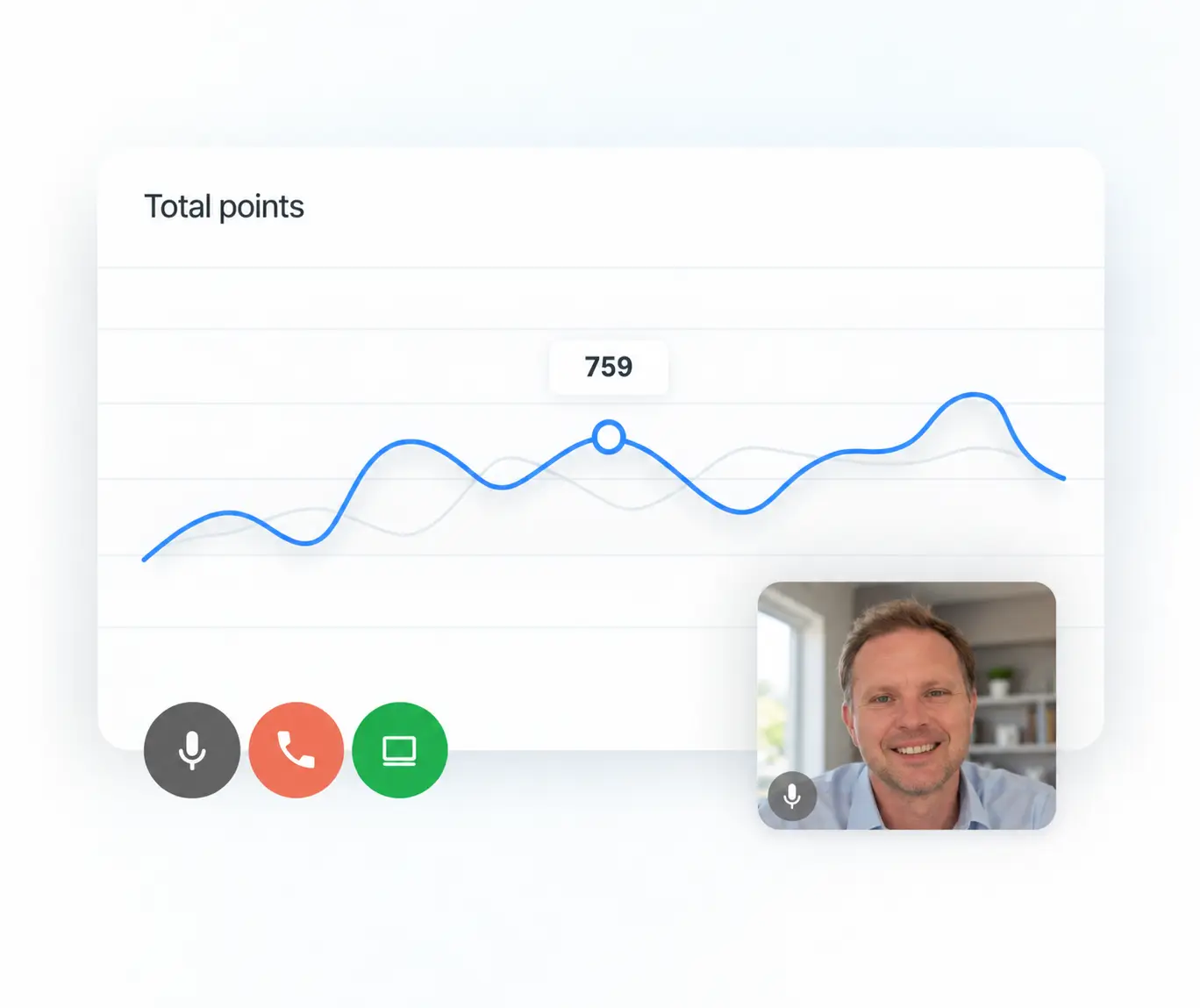
Digital collaboration is changing faster than ever, reshaping how agencies and clients work together. The rise of the shared workspace for agency clients is transforming project delivery, communication, and client satisfaction. This guide dives deep into what agencies need to succeed in 2026, offering practical steps and proven strategies.
Explore how shared workspaces boost transparency, speed up approvals, and build lasting client trust. We’ll look at the must-have features for tomorrow’s leading platforms, step-by-step setup advice, real-world agency wins, and what the future holds. Ready to unlock better results? Let’s get started.
Why Shared Workspaces Are Essential for Agency-Client Success
The way agencies and clients work together is changing fast. With digital transformation on the rise, the shared workspace for agency clients is now more than a convenience—it's a necessity. These collaborative digital hubs aren't just about making communication easier, they're about building stronger, more resilient partnerships that drive results.
The Shift to Collaborative Digital Environments
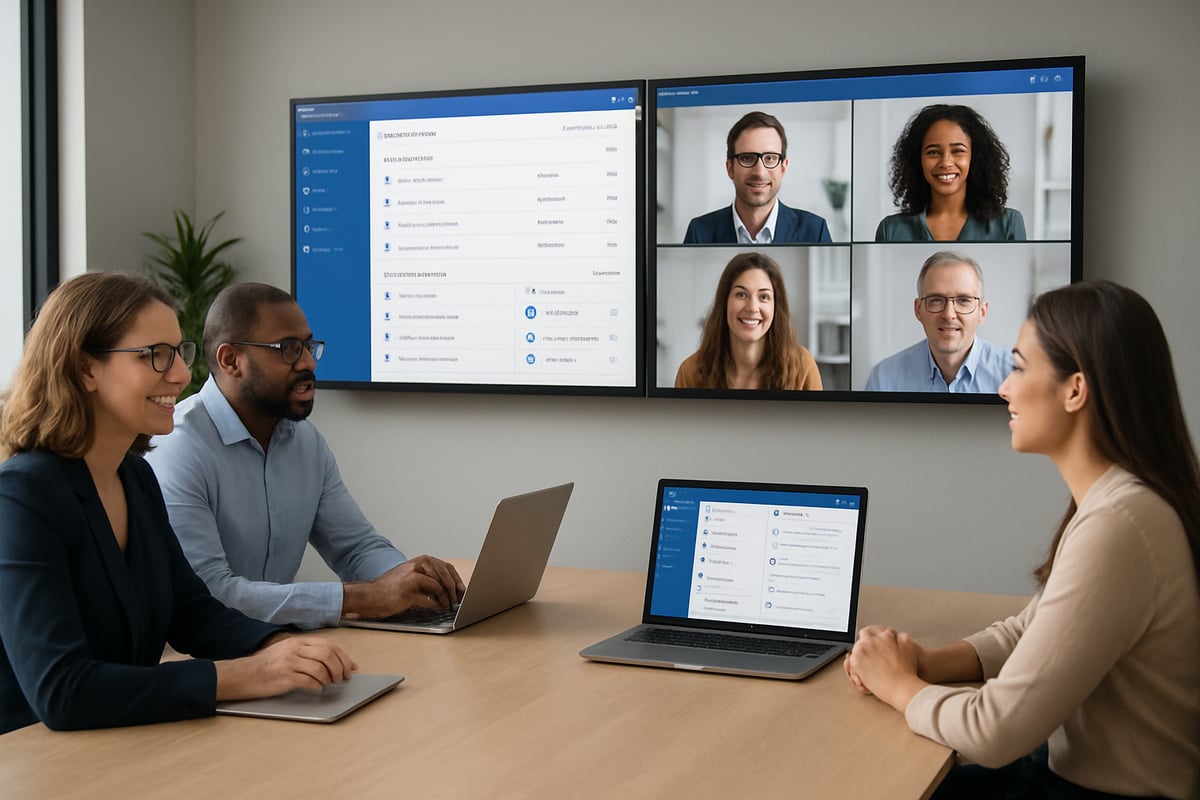
Remote and hybrid work models have become standard for agencies and their clients. In fact, over 80% of agencies now use digital collaboration tools, reflecting a major industry shift (Remote Work in Advertising Industry Statistics). This move toward digital-first operations highlights the growing demand for a shared workspace for agency clients.
A shared workspace for agency clients helps close the gaps that used to exist with scattered emails, lost attachments, and delayed feedback. Instead of siloed documents and unclear communication, teams have a single source of truth. This centralization reduces confusion and keeps everyone on the same page, which directly impacts client satisfaction and retention. When clients see that their agency is organized and responsive, they're more likely to stick around.
Key Benefits for Agencies and Clients
What makes a shared workspace for agency clients so valuable? For starters, it creates transparency throughout the project lifecycle. Both agencies and clients can see real-time updates, access files, and leave feedback without waiting for an email chain.
Here are some benefits that stand out:
- Improved accountability with clear activity logs and version histories
- Real-time project dashboards for instant status checks
- Faster approval cycles, leading to quicker project turnarounds
- Stronger relationships built on trust and open communication
- Less administrative work and fewer lost messages
Agencies that have adopted a shared workspace for agency clients report up to a 30% reduction in project delays. This kind of efficiency means happier clients and more successful projects, with less time wasted on back-and-forth.
Overcoming Common Collaboration Challenges
Even the best teams face challenges like version control issues, miscommunication, or fragmented feedback. A shared workspace for agency clients tackles these obstacles by centralizing information and standardizing how feedback is collected and tracked.
When everyone uses the same space, it's much easier to avoid confusion over which document is the latest or where feedback was given. Agencies often find that transparent logs and activity histories help resolve disputes quickly, since every change and comment is documented. This level of visibility means fewer misunderstandings and smoother project delivery.
Ultimately, the shared workspace for agency clients isn't just a tool, it's a foundation for better collaboration. With the right setup, agencies and clients can focus on creativity and results, rather than chasing down files or clarifying instructions.
Must-Have Features of a Shared Workspace in 2026
A truly effective shared workspace for agency clients in 2026 isn’t just about storing files or sending messages. It’s about creating a frictionless hub where agencies and clients can collaborate, manage projects, and keep everything transparent. The right combination of core and emerging features can transform ordinary teamwork into a streamlined, results-driven partnership.
Core Functionalities Agencies Can’t Ignore
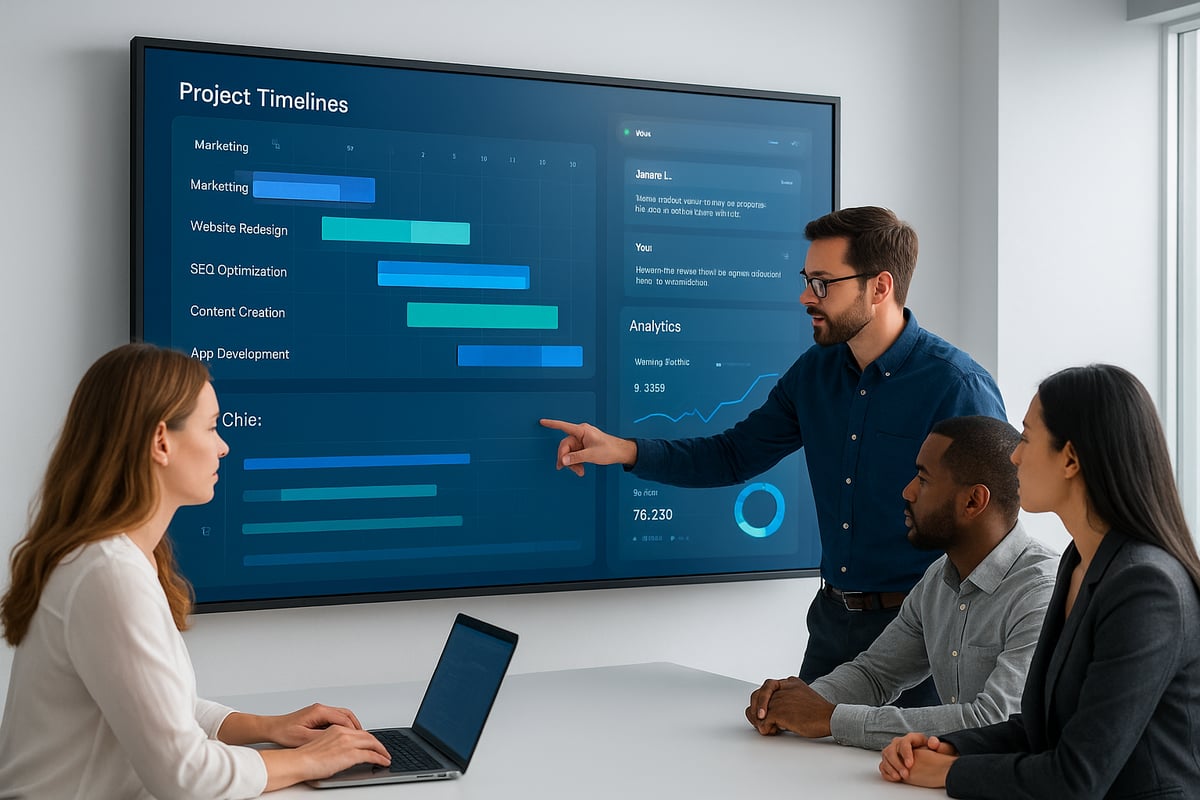
When you’re evaluating a shared workspace for agency clients, certain features are non-negotiable. Centralized file storage with strong version control ensures everyone’s working on the latest document, reducing the risk of confusion. Integrated chat, video, and feedback tools bring communication into one place, so nothing slips through the cracks.
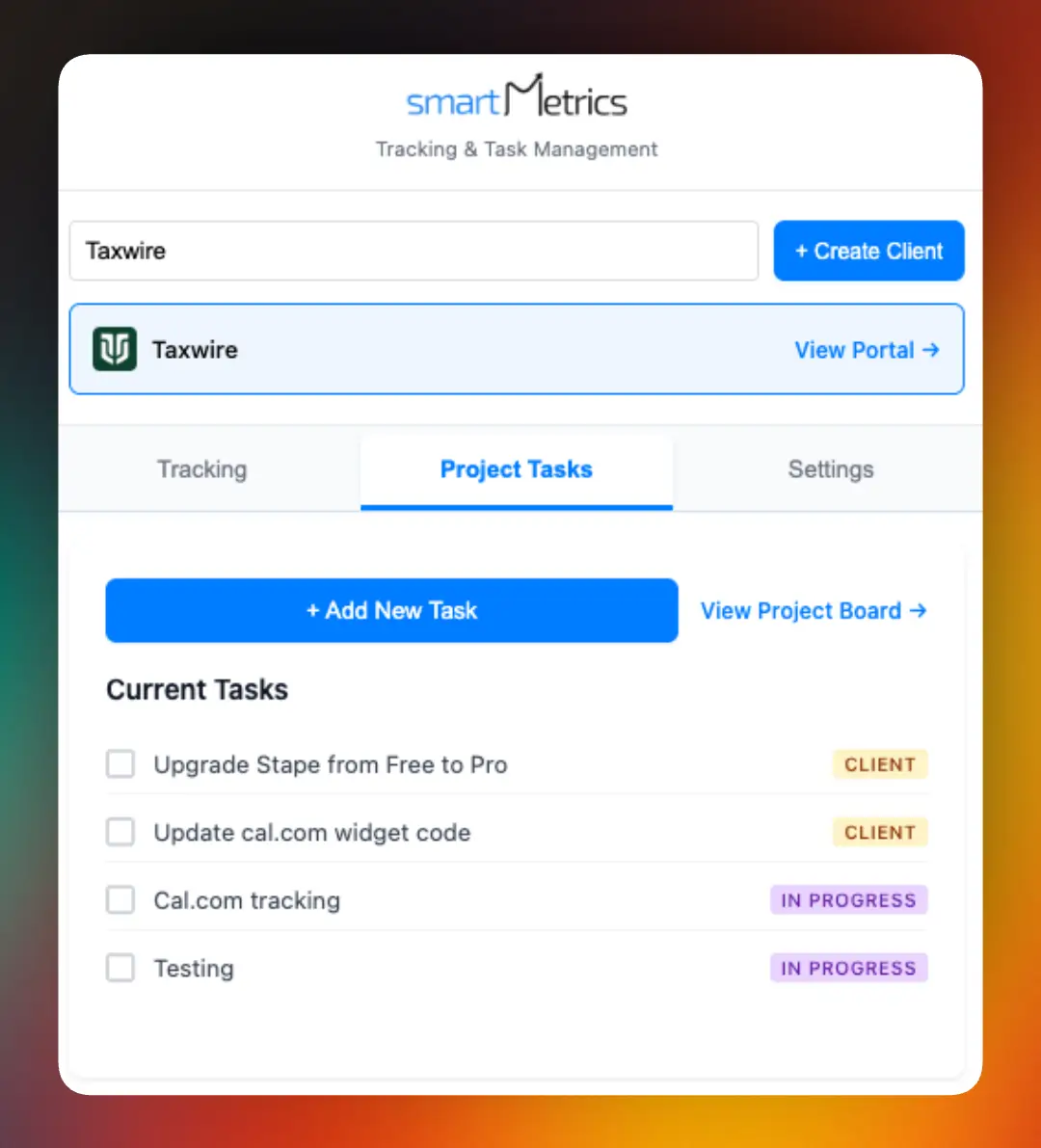
Automated task assignment and progress tracking make it easy to see who’s responsible for what, and how far along projects are. Secure client access with customizable permissions means sensitive data stays protected, while clients can participate at the right level. Real-time dashboards provide instant project status, keeping both teams aligned.
For a deeper dive into how these features work together, check out the Collaboration Hub Feature Overview to see what a modern shared workspace for agency clients can deliver.
Emerging Features for 2026 and Beyond
Looking ahead, agencies are seeking even more from their shared workspace for agency clients. AI-powered project insights can flag risks before they become problems, while automated reporting saves hours on manual updates. Health monitoring tools help agencies keep a pulse on client satisfaction, so issues can be addressed proactively.
Custom-branded portals let agencies deliver a polished, professional experience every time a client logs in. Deep integrations with CRM, marketing, and analytics platforms keep data flowing smoothly, eliminating manual entry or information silos. Mobile-first interfaces mean collaboration continues seamlessly, whether teams are in the office or working remotely.
These emerging capabilities are quickly moving from “nice-to-have” to “must-have” for agencies determined to stay ahead in the competitive landscape.
Security and Compliance Considerations
Security is a top concern for any shared workspace for agency clients, especially as regulations tighten and client expectations grow. End-to-end encryption protects every document and message, offering peace of mind for agencies and clients alike. GDPR compliance isn’t just a checkbox, it’s a necessity for global partnerships.
Role-based access controls let agencies define exactly who can see or edit sensitive information. Detailed audit trails offer transparency if questions ever arise about project changes or approvals. Agencies in regulated industries are already adopting these advanced compliance features, ensuring they can meet client demands and avoid costly mistakes.
A secure, compliant shared workspace for agency clients not only builds trust, it also opens the door to bigger, more complex projects with confidence.
Step-by-Step Guide: Setting Up a Shared Workspace for Agency Clients
Setting up a shared workspace for agency clients isn’t just about choosing a tool and inviting people. It’s a process that requires intention, planning, and a clear understanding of both agency and client needs. Here’s how to make sure your shared workspace for agency clients delivers real value from day one.

Step 1: Define Collaboration Goals and Client Needs
Before launching a shared workspace for agency clients, clarify what both sides want to achieve. Start with a conversation about project types, communication styles, and preferred feedback loops. Are you aiming for faster approvals, more transparent file sharing, or centralized feedback? Setting these objectives early ensures your shared workspace for agency clients matches real-world workflows and expectations. Use client surveys or kickoff meetings to capture these details.
Step 2: Select the Right Platform
Choosing the right platform is essential. Compare top solutions based on your agency’s size, the features you need, and how well they integrate with existing tools. Scalability, usability, and support are key decision factors. It’s also important to consider platforms that offer secure Client Access & Sharing Tools, as these help streamline collaboration and protect sensitive data. Make sure your shared workspace for agency clients can adapt as your agency grows.
Step 3: Customize and Brand the Workspace
A shared workspace for agency clients should feel like a natural extension of your agency’s brand. Customize logos, color schemes, and welcome messages. Organize project folders, templates, and workflow automations to match each client’s unique needs. This attention to detail not only creates a seamless client experience but also makes it easier for teams to find what they need quickly within the shared workspace for agency clients.
Step 4: Onboard Clients and Train Teams
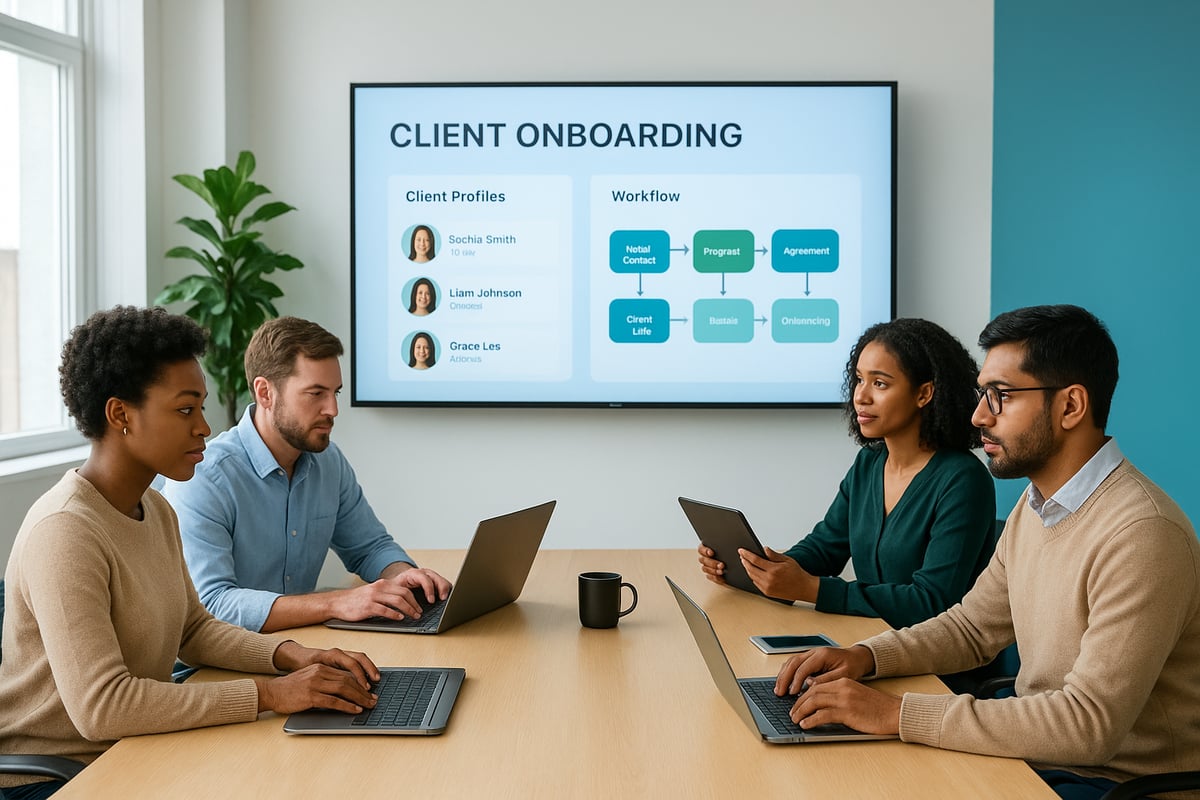
Smooth onboarding is crucial for adoption. Develop clear checklists for both internal teams and clients, outlining how to access and navigate the shared workspace for agency clients. Offer training sessions, video walkthroughs, and quick-start guides. Providing ongoing support ensures everyone feels comfortable and confident using the new workspace. The more empowered your teams and clients feel, the more value you’ll get from your shared workspace for agency clients.
Step 5: Establish Collaboration Protocols
Define how communication will flow within the workspace. Set up channels for chat, feedback, and approvals. Agree on notification preferences and escalation paths for urgent issues. Establishing clear protocols helps prevent miscommunication and keeps everyone on track. Consistency in these processes is what transforms a shared workspace from a simple tool into a collaboration powerhouse.
Step 6: Launch and Iterate
Start with a pilot group of clients to test your setup. Gather feedback on usability, communication, and project flow. Refine your processes based on real-world insights. Track metrics like onboarding time and client engagement. Many agencies have seen onboarding times drop by 70 percent after structured workspace rollouts. This iterative approach ensures your shared workspace only gets better over time.
Best Practices for Seamless Agency-Client Collaboration
Collaboration can make or break a project, especially when agencies and clients work together in a digital environment. To get the most out of a shared workspace for agency clients, it’s crucial to focus on clear communication, trust, and continuous improvement. Let’s look at what works best in real agency-client partnerships.

Building Trust and Transparency
Trust is the foundation of any successful relationship, and a shared workspace for agency clients helps make that possible. By sharing project assets, timelines, and updates in real time, both sides always know where things stand.
Use clear naming conventions for documents and version control to avoid confusion. Open communication is easier when chat, comment, and feedback tools are integrated into the workspace. When everyone can see the same information, misunderstandings are reduced and accountability grows.
This level of transparency doesn’t just keep projects on track, it also reassures clients that their agency is organized and dependable.
Streamlining Feedback and Approvals
Nothing slows down a project like endless email chains and unclear feedback. The shared workspace for agency clients can completely change how feedback and approvals happen.
Set up structured review cycles and use automated reminders so nobody misses a deadline. Annotation and markup tools let clients leave precise comments directly on files, so there’s no guessing about what needs to change. Clear deadlines and responsibilities for both teams keep everyone moving forward.
When feedback is streamlined, approvals happen faster, and projects reach the finish line with fewer revisions.
Fostering Engagement and Long-Term Relationships
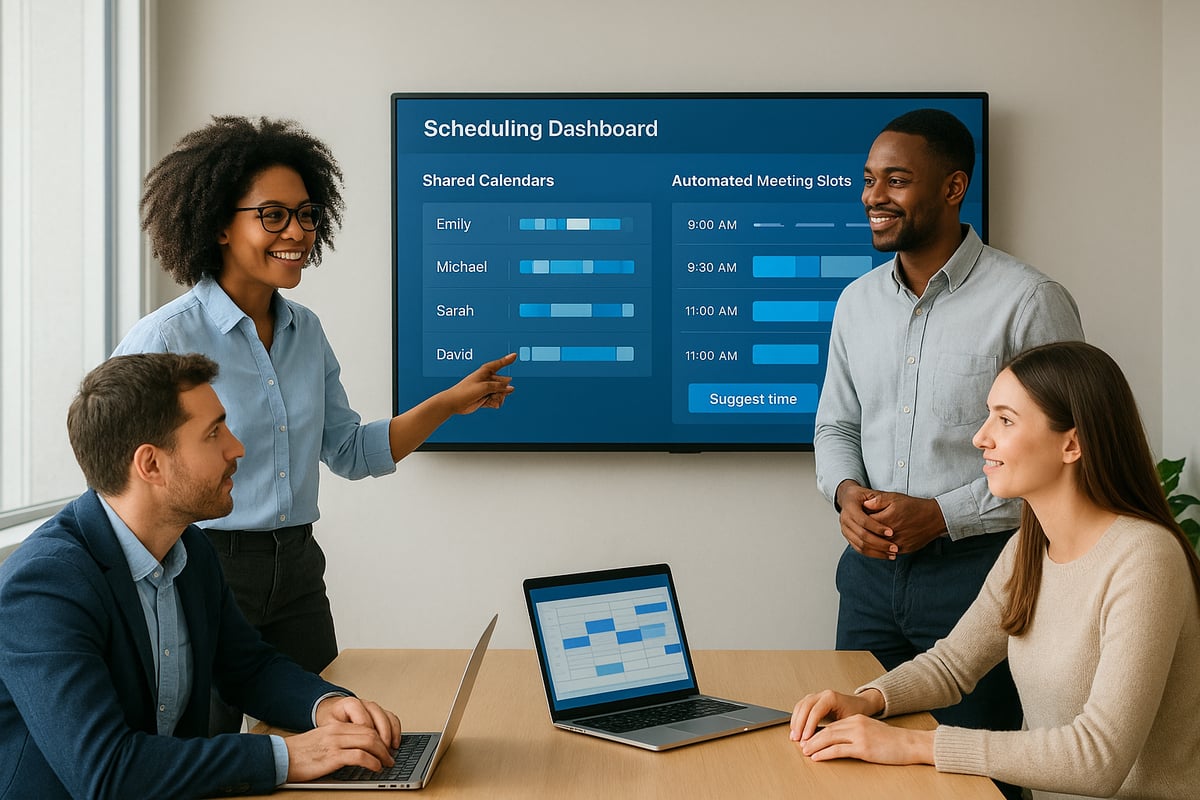
A shared workspace for agency clients is more than a place to exchange files, it’s a hub for building long-term engagement. Schedule regular check-ins and progress reviews right within the workspace, so everyone stays connected.
Real-time analytics and performance dashboards give clients a window into project health and outcomes. Celebrate milestones together and highlight wins to reinforce the partnership. Over time, these habits turn one-off projects into lasting relationships, as clients see the agency as a true collaborator.
Measuring and Optimizing Collaboration
Continuous improvement is key to agency success. Track important metrics like response times, approval cycles, and overall project delivery speed directly in your shared workspace for agency clients.
Don’t just rely on numbers—ask clients for feedback on workspace usability and process improvements. For practical tips on gathering actionable input, check out How to Ask Clients for Feedback. Agencies that regularly review and refine their collaboration practices often see project delivery times improve by 25 percent or more.
By measuring what matters and listening to clients, agencies can optimize the workspace and deliver even better results.
Real-World Success Stories: Agencies Winning with Shared Workspaces
When it comes to agency growth and client happiness, nothing beats real stories. The impact of a shared workspace for agency clients is most clear when you see how agencies have transformed their projects and relationships with these tools.
Let’s start with a mid-size marketing agency that made the switch to a shared workspace for agency clients in early 2025. Before the shift, project updates often got lost in email chains, and client feedback was scattered across different platforms. After implementing a unified workspace, their client retention jumped by 40%. Clients appreciated the transparency and easy access to deliverables, while the agency found it easier to manage approvals and feedback loops.
Another creative agency faced constant bottlenecks in their approval process. By using a shared workspace for agency clients, they reduced email volume by 60% and cut approval times in half. They credit features like centralized file storage and real-time chat for eliminating confusion and keeping everyone on the same page. Tools that support project management for marketing agencies, such as Project Management for Marketing Agencies, have played a big part in these results.
Agencies in regulated industries, like finance and healthcare, have unique challenges. A digital agency serving healthcare clients needed strict compliance and audit trails. By adopting a secure shared workspace for agency clients, they met regulatory standards and kept sensitive data protected. This move not only prevented costly errors but also reassured clients that their information was safe.
Not every implementation goes smoothly the first time. One agency struggled with adoption because they didn’t involve clients in early setup. They learned to co-create workspace protocols with clients, turning initial pushback into long-term buy-in. Now, both teams rely on transparent logs to resolve disputes quickly.
Testimonials from agency teams and clients often highlight improved collaboration, faster delivery, and a sense of partnership. It’s not just about technology, but about building trust. According to the Client-Agency Relationship Tenure Report, agencies using shared workspace for agency clients see an average NPS score increase of 15 points, a clear signal that these platforms drive real satisfaction.
The Future of Shared Workspaces: Trends to Watch in 2026 and Beyond
Looking ahead, the future of the shared workspace for agency clients is defined by innovation and adaptability. As agencies and clients demand more flexibility and insight, the right shared workspace for agency clients will become a strategic asset, not just a tool.
AI will play a starring role. Expect AI-driven project management, predictive analytics, and risk detection to become standard. According to the Collaborating with AI Agents Study, integrating AI into shared workspaces is already boosting teamwork and productivity, hinting at even greater possibilities by 2026.
Integration is another game changer. Agencies want their shared workspace for agency clients to connect seamlessly with marketing, sales, and analytics platforms. Custom-branded portals and automation will allow for personalized experiences, meeting each client’s needs in real time.
Virtual and augmented reality are on the horizon. Imagine collaborating with clients in immersive environments, reviewing creative assets or campaign data together. As data privacy and compliance grow in importance, expect stricter controls and audit trails built into every shared workspace for agency clients.
By 2026, most agencies will rely on unified, branded portals for daily operations. The future isn’t just about new features, but about creating seamless, secure, and engaging spaces that help every agency-client partnership thrive.
You’ve seen how shared workspaces can transform agency client relationships by boosting transparency, speeding up approvals, and making collaboration feel effortless. If you’re ready to take the next step and put these strategies into action, why not try out a platform designed for agencies like yours With SmartMetrics, you can set up branded client portals, streamline your project management, and start experiencing real results—without any risk. You’ll save time, impress your clients, and keep your team working smoothly together. Curious how it works You can Get Started for Free and see the difference for yourself.

 Gray Digital Group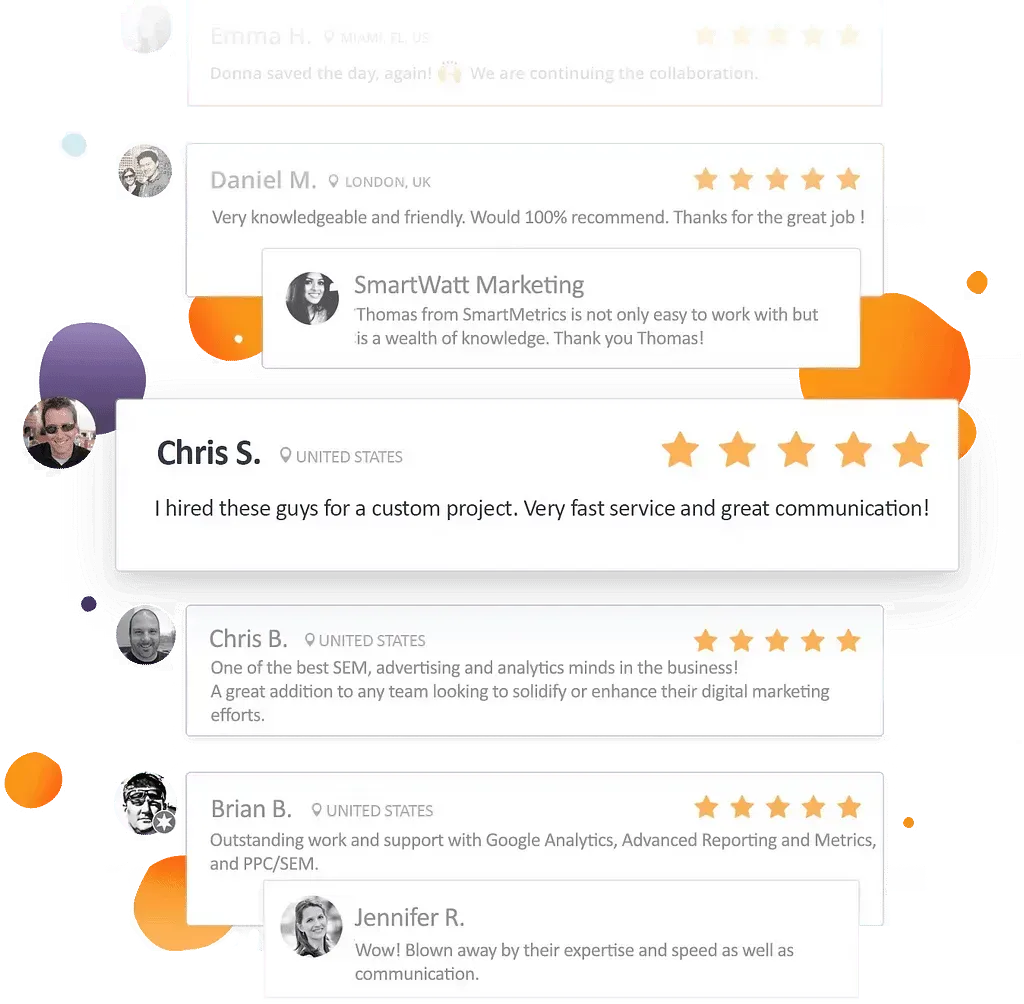
 Blitzy
 PermitFlow
 Dj Haer Jr