
Agencies are under more pressure than ever in 2026 to deliver fast, insightful, and visually engaging reports that keep clients informed and impressed. As expectations rise, marketing report templates for agencies have become essential tools for saving time and ensuring every report is both clear and impactful.
The right template can automate insights, streamline data, and give your agency a competitive edge. In this article, you'll discover the top 7 marketing report templates that can transform how you present results, support agency growth, and elevate your client reporting process.
Why Marketing Report Templates Matter for Agencies in 2026
Agencies today are under more pressure than ever to deliver fast, insightful, and visually engaging reports that truly resonate with clients. In 2026, the demand for marketing report templates for agencies is only growing. Clients expect not just raw data but clear stories and actionable takeaways, all delivered quickly and with minimal friction.
The right marketing report templates for agencies can make a world of difference. Instead of spending hours manually compiling and formatting data, teams can automate routine tasks, reduce errors, and ensure a consistent look and feel across every client report. This consistency boosts trust and makes it easier for clients to compare results over time.
Branding is another crucial factor. Many agencies want reports that reflect their own identity, not just the client's. White-label and branded templates help agencies reinforce their professionalism and stand out from competitors. If you're looking to explore branding options, white-label tools for agencies offer practical solutions for customizing reports with your agency’s logo, color palette, and preferred layouts.
Automation and integration have become essential as agencies juggle multiple channels—social media, paid ads, email campaigns, and e-commerce platforms. Marketing report templates for agencies that connect directly to sources like Google Analytics, Facebook Ads, or Shopify allow for real-time updates and interactive dashboards. This shift toward live, dynamic reporting means clients can explore their data more deeply and get answers on the spot.
The impact is tangible: according to Porter Metrics, over 40,000 agencies now rely on templates for reporting. Many report a dramatic reduction in time spent preparing reports, going from several hours to just minutes per client. That time saved can be reinvested in strategy, creative work, or building stronger client relationships.
As agencies scale up, the need for customization and flexibility in marketing report templates for agencies becomes even more important. Handling complex datasets and unique client needs requires templates that can grow with the business. In 2026, having the right tools in place is no longer just a nice-to-have—it’s a core part of running a modern, competitive agency.
Key Features to Look for in a Marketing Report Template
Choosing the right marketing report templates for agencies can make all the difference in client satisfaction and operational efficiency. Let’s break down the four essential features every agency should prioritize.
Customization and Branding
Branding is more than just logos. With marketing report templates for agencies, you need full white-label capabilities so every report you deliver looks and feels like your agency. This means adding your color schemes, fonts, and even unique report layouts that match your style.
Customizable templates also let you tailor content to each client’s industry, goals, and preferences. For example, you might adjust a template’s layout for a retail client compared to a B2B tech partner. The best templates offer drag-and-drop editors and easy branding updates, saving time while reinforcing your agency’s identity.
Data Integration and Automation
Seamless data integration is a must for marketing report templates for agencies. Top templates pull data automatically from platforms like Google Analytics, Facebook Ads, HubSpot, and Shopify, so you never have to manually update numbers again.
Automation ensures your reports are always current, reducing errors and saving valuable hours. For agencies looking to streamline this process, it’s worth exploring solutions that automate client data imports, allowing real-time updates and unified dashboards. This level of integration is key for agencies managing multiple clients and channels.
Visualization and Interactivity
Numbers alone don’t tell a story. Marketing report templates for agencies should transform raw data into engaging visuals. Think interactive charts, graphs, and tables that help clients quickly grasp trends and results.
Interactive elements go further, letting clients explore data directly within the report. For example, a client might click to filter results by campaign or timeframe, making the experience more dynamic and insightful. Effective visualization keeps clients engaged and helps them see the value your agency provides.
KPI Tracking and Custom Metrics
Every agency tracks different metrics, so flexibility matters. The best marketing report templates for agencies include pre-built KPI widgets for standard metrics like CTR, conversion rate, and ROI, but also let you add custom metrics unique to each campaign or client.
You’ll want templates that support tracking across all major channels and allow easy adjustments as goals evolve. This ensures you always deliver relevant, actionable insights. Custom metrics make it easier to show progress on what matters most to your clients.
Top 7 Marketing Report Templates for Agencies in 2026
Navigating client demands in 2026 means agencies need the best tools for reporting. The right marketing report templates for agencies can make all the difference—speeding up workflows, reducing errors, and delivering the insights clients crave. Let’s look at how the top options stack up, so you can find what fits your agency’s unique needs.
| Template | Best For | Key Features | Pricing |
|---|---|---|---|
| SmartMetrics Agency-Branded Reporting Dashboard | Workflow & collaboration | Branded portals, real-time dashboards, automation | Free & paid |
| Databox Marketing Report Templates | Multi-channel insights | 130+ integrations, interactive dashboards | Free trial & paid |
| Porter Metrics Looker Studio Templates | Custom, fast setup | 1-click connectors, white-label | Free & paid |
| Google Data Studio Templates | Custom & free | SEO, PPC, social, web analytics | Free |
| HubSpot Marketing Analytics Templates | Inbound & CRM | CRM analytics, automated updates | With subscription |
| Databox E-commerce & Shopify Templates | E-commerce | Shopify, Amazon, WooCommerce KPIs | Free trial & paid |
| Porter Metrics Social Media Performance Templates | Social media | Channel-specific, competitive analysis | Free & paid |
SmartMetrics Agency-Branded Reporting Dashboard
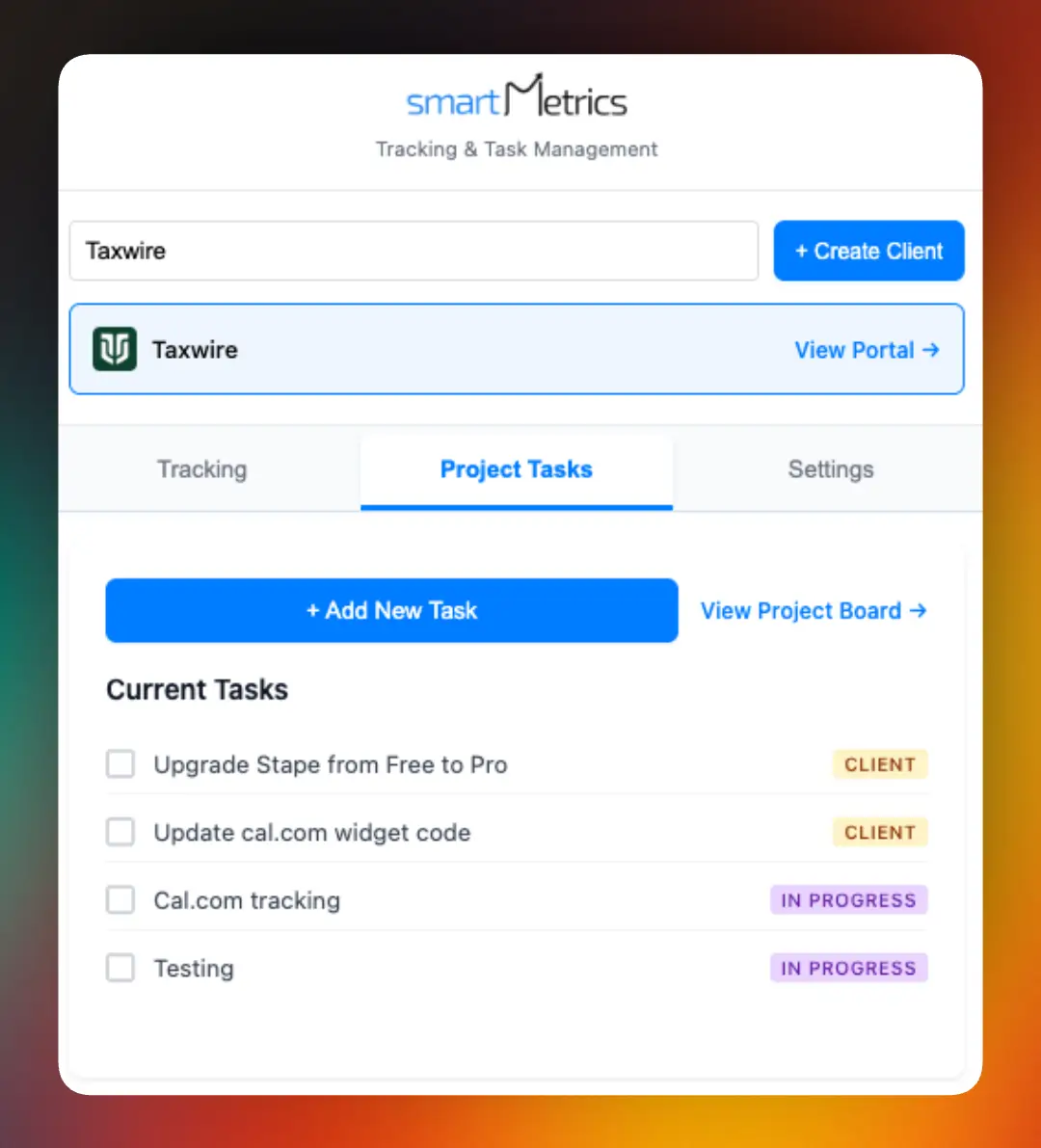
SmartMetrics stands out among marketing report templates for agencies by offering a truly agency-branded experience. Its dashboard lets you build custom client portals and track data in real time, all while keeping your agency’s brand front and center.

- Pricing: Free plan, scalable paid options as your client base grows.
- Core features: Branded portals, automated audits, project and task boards, a collaboration hub.
- Benefits: Streamlines both reporting and teamwork, so your agency can handle more clients without sacrificing quality.
- Ideal for: Agencies seeking a blend of reporting and workflow automation.
- Pros: Fully white-labeled, integrates with top marketing tools, automates routine tasks.
- Cons: Some advanced functions require a paid plan.
By centralizing reporting and collaboration, SmartMetrics helps agencies deliver faster, more transparent results. For a deeper dive into sharing and client communication tools, check out Client access & sharing tools for agencies.
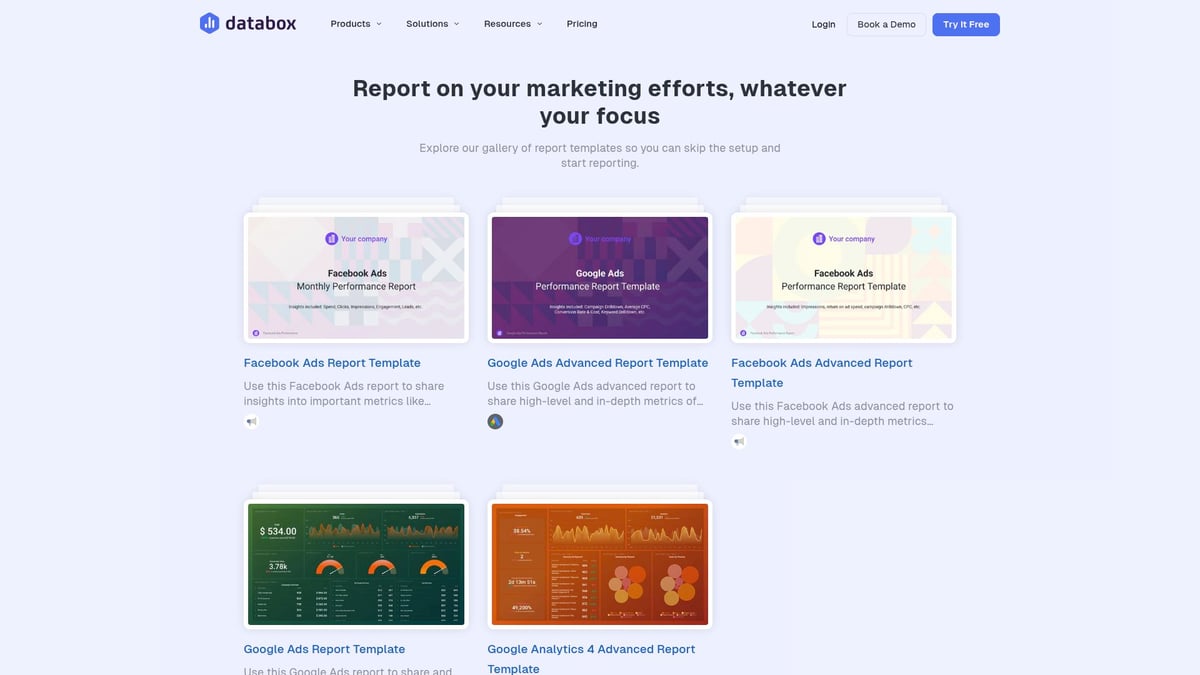
Databox Marketing Report Templates
Databox is a powerhouse among marketing report templates for agencies, especially for those juggling multiple channels. Its drag-and-drop builder and AI-powered reporting make it easy to visualize campaign performance and share insights instantly.
- Pricing: Free trial, then paid plans.
- Core features: 130+ integrations including Google Analytics, HubSpot, Facebook Ads, and Shopify.
- Benefits: Real-time dashboards, team collaboration, interactive and automated reporting.
- Ideal for: Agencies managing complex, multi-channel campaigns.
- Pros: Broad integration support, easy sharing, highly visual reports.
- Cons: Advanced features are only in paid plans.
Agencies can quickly set up automated marketing report templates for agencies, saving time and reducing errors. Clients love the ability to interact with live dashboards and see results on demand.
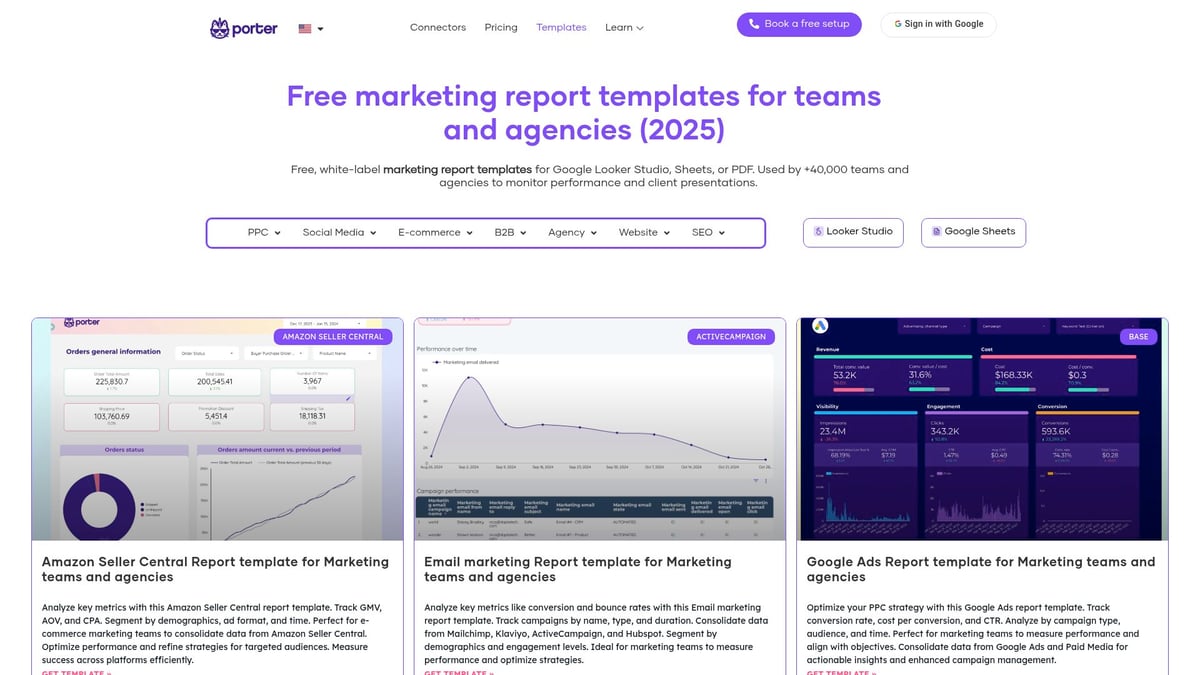
Porter Metrics Looker Studio Templates
Porter Metrics offers marketing report templates for agencies that need quick, customizable solutions. With one-click connectors and templates for PPC, social, e-commerce, and SEO, it’s a go-to for agencies handling diverse accounts.
- Pricing: Free and premium templates, pricing depends on chosen connectors.
- Core features: White-label options, Google Looker Studio and Sheets support.
- Benefits: Rapid setup, tailored for agency workflows, flexible data source support.
- Ideal for: Agencies needing fast, platform-specific reports.
- Pros: Free options, easy customization, supports multiple data types.
- Cons: Some connectors cost extra.
Porter Metrics makes it easy to scale reporting as your agency grows, keeping every client’s data organized and actionable.
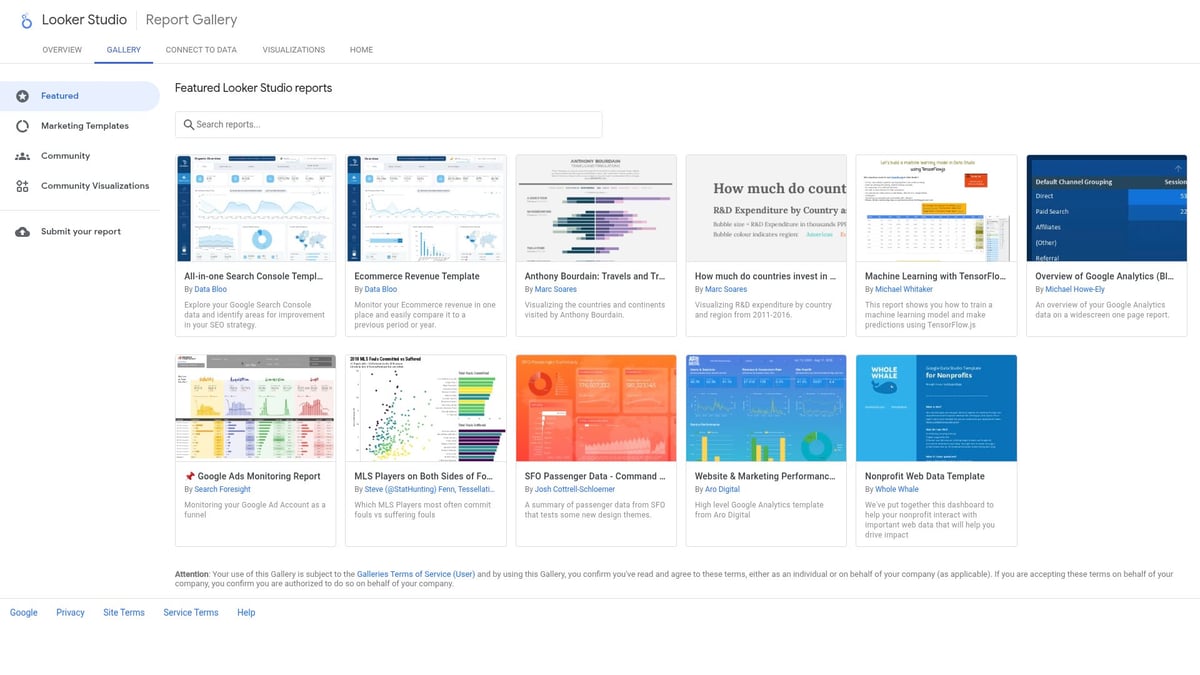
Google Data Studio Marketing Report Templates
Google Data Studio is a staple for agencies looking for free, highly customizable marketing report templates for agencies. It supports SEO, PPC, social, and web analytics, all with real-time data integration.
- Pricing: Completely free.
- Core features: Highly customizable templates, Google product integration, interactive dashboards.
- Benefits: No-cost solution, strong community and resource support, unlimited customization.
- Ideal for: Agencies prioritizing flexibility and budget.
- Pros: Free, deep Google integration, wide template selection.
- Cons: Advanced customization can be tricky to master.
With these templates, agencies can create professional, interactive reports that clients can explore, all without breaking the bank.
HubSpot Marketing Analytics Templates
HubSpot’s marketing report templates for agencies are built right into their CRM, making them perfect for inbound-focused shops. They connect marketing and sales data, so reporting is seamless and up-to-date.
- Pricing: Included with any HubSpot subscription.
- Core features: CRM analytics, campaign performance, automated updates.
- Benefits: Instant data syncing, client-ready export options, no manual updates required.
- Ideal for: Agencies working with HubSpot-powered clients or inbound strategies.
- Pros: Seamless integration, strong automation, ready-to-use dashboards.
- Cons: Only works for agencies and clients on HubSpot.
Teams can save hours every month by switching to these automated templates, freeing up time for strategy and client engagement.
Databox E-commerce & Shopify Templates
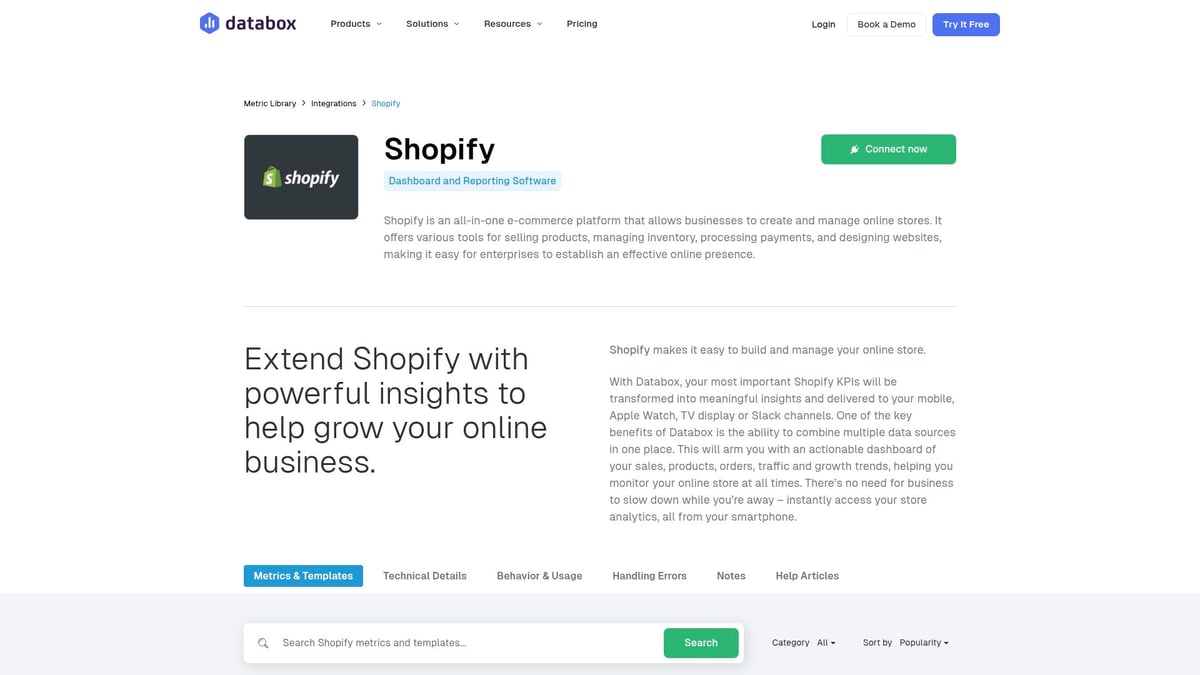
If your agency works with e-commerce brands, Databox’s marketing report templates for agencies are tailored for platforms like Shopify, WooCommerce, and Amazon Seller Central. These templates automate key e-commerce KPIs and visualize sales data for quick insights.
- Pricing: Free trial, paid plans for advanced features.
- Core features: Templates for e-commerce platforms, automated tracking of sales, revenue, and conversions.
- Benefits: Visual dashboards, simplified onboarding, automated updates.
- Ideal for: Agencies with e-commerce and D2C clients.
- Pros: Specialized for retail, easy to set up, robust automation.
- Cons: Some integrations require a paid plan.
Databox streamlines reporting for digital storefronts, helping agencies deliver actionable insights without manual data pulls.
Porter Metrics Social Media Performance Templates
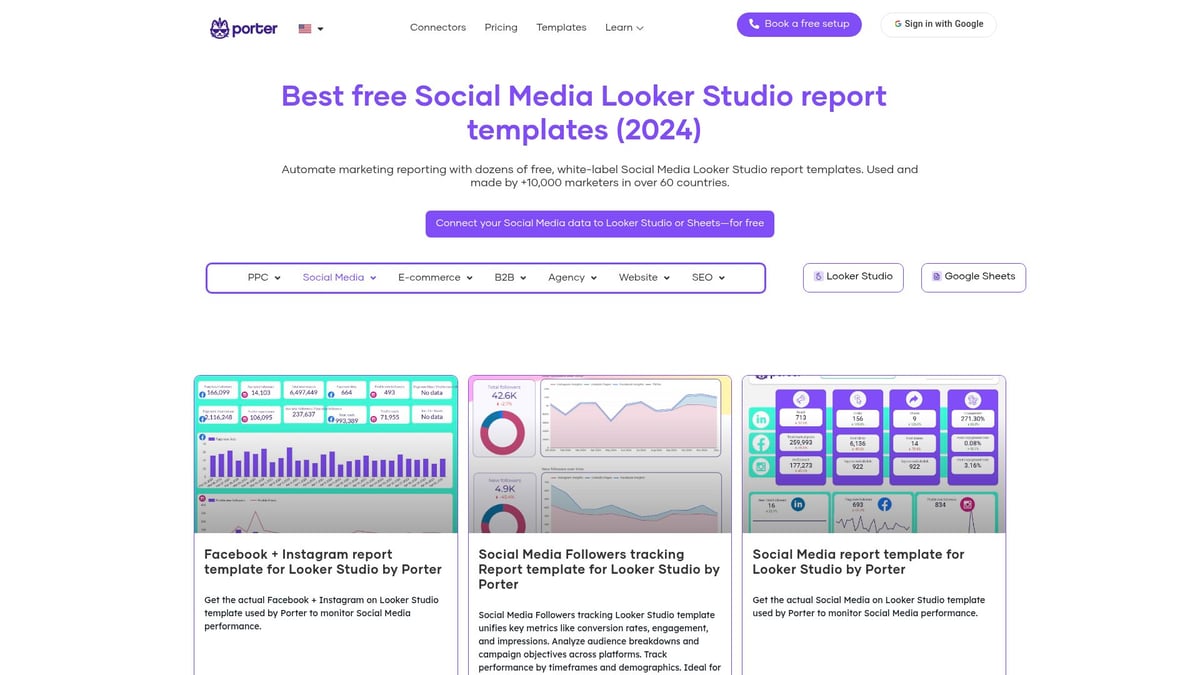
Social media-focused agencies rely on Porter Metrics for marketing report templates for agencies that track channel-specific performance. These templates cover Facebook, Instagram, LinkedIn, Twitter, and even competitive benchmarking.
- Pricing: Free and paid options available.
- Core features: Templates for each social platform, white-label reporting, competitive analysis.
- Benefits: Track engagement, audience growth, and competitor benchmarks with ease.
- Ideal for: Agencies specializing in social media management.
- Pros: Channel-specific insights, customizable branding, easy sharing.
- Cons: Advanced analytics may need premium connectors.
With these templates, agencies can present data that’s both visually engaging and easy for clients to digest, reinforcing their expertise in the social space.
How to Choose the Right Marketing Report Template for Your Agency
Choosing the right marketing report templates for agencies starts with a clear understanding of your client base and their unique needs. Every agency has a different mix of clients, industries, and campaign types. Begin by mapping out which marketing channels you manage, how often clients expect updates, and the complexity of the data you need to present.
Are you handling mostly social media, or do you have a heavy focus on e-commerce and paid ads? The answers will guide your template choices. For agencies with diverse or fast-growing client portfolios, flexibility is key. The best marketing report templates for agencies adapt to new platforms and changing reporting requirements.
Next, consider which integrations you absolutely need. Do your clients rely on platforms like Google Analytics, Facebook Ads, Shopify, or HubSpot? Make sure the marketing report templates for agencies you shortlist support seamless data pulls from these sources. Automation can be a game-changer, allowing your reports to update in real time and freeing your team from manual data entry.
Customization also matters. Can the templates be branded with your agency’s logo and color palette? Are they easy to tailor for client-specific KPIs or industry benchmarks? The more you can personalize, the more professional your reports will look. For agencies interested in workflow integration, resources like Project management for marketing agencies can help you align your reporting with broader project goals.
Pricing and scalability are crucial factors, too. As your agency grows, will the template accommodate more clients and increased data complexity? Review cost structures carefully, especially if you’re considering premium features or advanced integrations. Look for marketing report templates for agencies that offer trial periods or free versions, so you can test functionality before making a commitment.
Client feedback should always play a role. Templates that are visually clear and interactive often lead to better client engagement and satisfaction. If possible, involve your clients in the review process. Their input can help you select a template that not only looks great but also tells the story behind the numbers.
Finally, staying updated on industry trends is important. For agencies planning ahead, resources like the 2026 Future Trends in Marketing report can provide insight into which reporting capabilities will matter most in the coming years.
Agency Reporting Trends and Best Practices for 2026
The world of marketing report templates for agencies is evolving fast. Agencies are under more pressure than ever to provide transparent, real-time dashboards that clients can access anytime. Clients want to see results quickly and dig into the data themselves, so interactive reports have become the norm. This shift is driving agencies to rethink how they present data and insights, putting a premium on both clarity and accessibility.
AI-powered reporting and automation are shaping the future of marketing report templates for agencies. Tools that analyze data and generate insights automatically make it easier for agencies to deliver value without spending hours on manual work. According to Top Marketing Trends for 2026, AI is now a must-have for agencies aiming to stay ahead of the curve. Integration is another growing trend, with project management and reporting tools coming together to streamline client service.
White-label solutions are getting more attention as agencies want their reports to reflect their brand, not just the data. Automated report scheduling is also gaining traction, helping agencies maintain consistent communication and build trust with their clients. When agencies use marketing report templates for agencies with these features, they can focus more on strategy and less on repetitive tasks.
Best practices are shifting, too. Agencies are standardizing their core KPIs, using visual summaries to highlight results, and always including actionable recommendations in every report. The numbers speak for themselves: agencies using automated templates report higher client satisfaction and retention, as highlighted by recent Marketing Operations 2026: Stats & Insights. Staying current with these trends ensures that marketing report templates for agencies deliver value to both the agency and its clients.
If you’re ready to take your agency’s reporting game to the next level, now’s the perfect time to put what you’ve learned into action. With all the new demands in 2026—faster turnaround, more customization, and real-time insights—having the right templates and tools really can make your life easier while impressing your clients. Why not see for yourself how streamlined reporting can save you hours and boost your agency’s professionalism? You don’t have to commit right away—you can Get Started for Free and explore the features firsthand. Give it a try and see how much smoother your workflow can be!




 Gray Digital Group
 Blitzy
 PermitFlow
 Dj Haer Jr