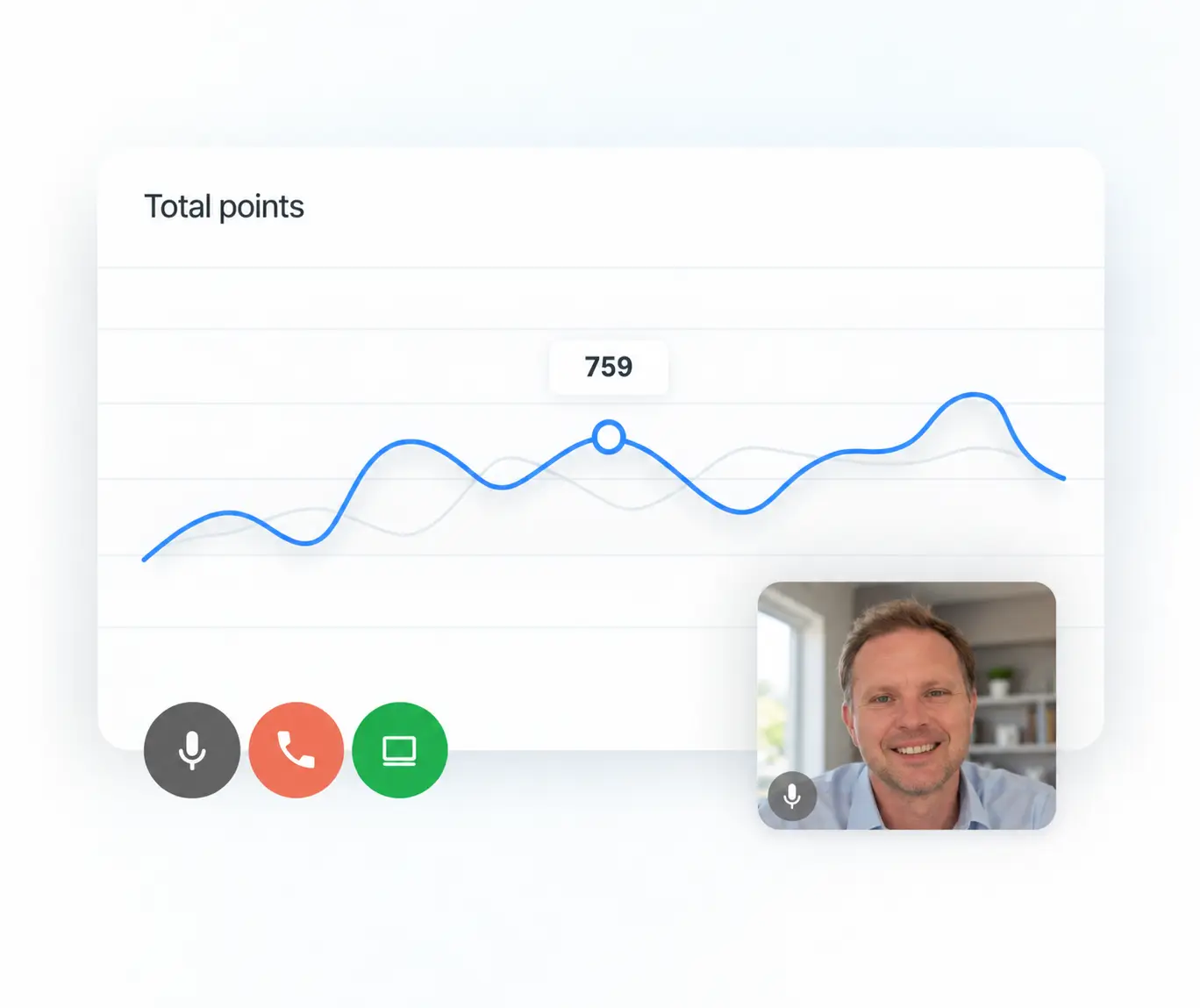
Ever lost hours juggling emails just to set up a single client meeting? If you have, you’re not alone. Many agencies find themselves stuck in endless back-and-forths, wasting valuable time and energy.
This kind of inefficiency isn’t just frustrating, it can hold your business back. In 2026, being able to streamline client meeting scheduling is essential for agency growth and professionalism.
In this guide, you’ll discover expert strategies, the latest tools, and actionable steps to transform how you schedule. Ready to reclaim your time and boost client satisfaction? Let’s dive in.
The High Cost of Inefficient Client Meeting Scheduling
Ever found yourself drowning in endless emails just to lock down a single meeting slot? For agencies, this routine is more than a minor annoyance—it’s a silent productivity killer. Let’s break down why failing to streamline client meeting scheduling doesn’t just waste time, but can also undermine your bottom line and reputation.

The Hidden Time Sinks
Manual scheduling is a minefield of inefficiencies. Teams spend hours bouncing emails, grappling with mismatched calendars, and chasing down confirmations. All that effort adds up—professionals spend an average of 4.8 hours each week just on meeting coordination. In fact, employees spend 392 hours per year in meetings, much of which could be trimmed with smarter processes.
Every minute lost is a minute taken from meaningful client work. Frustration mounts when missed details or unclear communication lead to confusion or delays. Imagine an agency missing out on a project kickoff because the invite went to a spam folder or time zones were miscalculated. These are not rare missteps—they’re symptoms of not taking the time to streamline client meeting scheduling.
Business Consequences
The fallout from inefficient scheduling doesn’t stop at lost hours. Every delayed or missed meeting is a potential revenue opportunity slipping through your fingers. When agencies stumble over logistics, clients notice. They might get frustrated, lose confidence, or even reconsider their partnership.
Research shows that agencies using automated scheduling tools report project kickoffs that are 25% faster compared to those relying on manual coordination. This speed translates directly to client satisfaction and retention. If you don’t streamline client meeting scheduling, your agency risks falling behind competitors who’ve made the switch and are reaping the rewards.
The Opportunity Cost
It’s not just about the time spent on admin—it’s about what you’re not doing instead. Every hour spent wrangling calendars is an hour not spent on billable work or strategic business development. Multiply this across several clients and projects, and the lost opportunities compound quickly.
In today’s fast-moving landscape, streamlining client meeting scheduling isn’t a luxury. It’s a competitive necessity. Agencies that invest in efficiency reclaim valuable time, boost team morale, and position themselves as reliable partners. The choice is clear: optimize your processes, or risk getting left behind.
Essential Features of Modern Scheduling Tools in 2026
Modern agencies face a fast-paced, digital landscape where the ability to streamline client meeting scheduling can make or break client relationships. The latest scheduling tools in 2026 are packed with features designed to put agencies ahead of the curve, saving time and boosting professionalism.

Automation and AI Integration
AI-driven scheduling assistants are now essential for agencies that want to streamline client meeting scheduling and eliminate repetitive tasks. These tools automatically find optimal meeting times, adjust for time zones, and even predict the best slots based on past behavior. According to Gartner, 62% of agencies now use AI-powered scheduling apps, and the number is climbing.
Smart scheduling assistants reduce the hassle of manual coordination, freeing up your team to focus on more valuable work. Features like auto-reminders and predictive calendar suggestions help agencies stay one step ahead, ensuring meetings happen smoothly.
Seamless Calendar and Platform Integrations
Integration is at the heart of any great scheduling tool in 2026. Agencies expect seamless syncing with Google Calendar, Outlook, Zoom, Slack, and CRM platforms. The latest tools offer one-click calendar links and instant video conference setup, making the scheduling process frictionless for both teams and clients.
When all your platforms work together, you avoid double-bookings and missed appointments. Integration means everyone is on the same page, reducing confusion and supporting a more professional client experience.
Customization and Branding
Customization has become a key differentiator for agencies aiming to streamline client meeting scheduling and enhance their brand image. Modern tools let you create branded scheduling portals, personalized booking pages, and tailored confirmation emails. These features help build client trust and reinforce your agency’s professionalism.
If you’re looking for a solution that goes beyond the basics, explore Branded scheduling and booking tools for examples of flexible, agency-focused options. Branded experiences not only look great but also make clients feel valued from the very first interaction.
Security and Privacy
With sensitive client data on the line, security and privacy are non-negotiable. Top scheduling platforms now offer end-to-end encryption, GDPR compliance, and strong client confidentiality protocols. Here’s a quick comparison of common security features:
| Feature | Platform A | Platform B | Platform C |
|---|---|---|---|
| GDPR Compliance | ✓ | ✓ | ✓ |
| Data Encryption | ✓ | ✓ | ✓ |
| Custom Access Control | ✓ | ✗ | ✓ |
Agencies can confidently manage meetings, knowing their clients’ information is protected at every step.
Analytics and Optimization
The ability to track and optimize your scheduling process is a game changer. Built-in analytics dashboards help agencies streamline client meeting scheduling by revealing patterns in meeting frequency, attendance, and duration. For instance, agencies leveraging analytics have reduced unnecessary meetings by 18%, freeing up time for billable work.
By continuously monitoring and refining your approach, you’ll spot opportunities to improve efficiency and client satisfaction. The result? A smarter, data-driven agency ready for the future.
Step-by-Step Guide to Streamlining Client Meeting Scheduling
Ever feel like your agency’s calendar is running the show instead of the other way around? Let’s break down exactly how you can streamline client meeting scheduling, step by step, so your team can focus on what matters most.

Step 1: Audit Your Current Scheduling Workflow
Before you can streamline client meeting scheduling, you need to know where things stand. Map out every step your team takes to set up a meeting, from the initial email to the confirmation. Don’t just look at what’s on paper—talk with your team and clients to get honest feedback on what’s actually working and what’s not.
Try using workflow mapping tools to visualize bottlenecks. Are emails getting lost? Are calendar invites double-booked? Pinpoint the moments where delays or confusion happen. This audit sets the foundation for everything that comes next and helps you measure improvement as you streamline client meeting scheduling.
Step 2: Define Scheduling Policies and Preferences
Clear guidelines are the backbone of efficient scheduling. Start by standardizing meeting lengths and setting buffer times between appointments. Decide on core hours when meetings can be booked, and make sure everyone on your team is aligned.
Share these policies with clients to set expectations from the start. Agencies that define scheduling preferences see a significant drop in no-shows. When you streamline client meeting scheduling with well-defined rules, you create consistency and trust for both your team and your clients.
Step 3: Choose the Right Scheduling Platform
Now it’s time to pick the tech that will power your new process. Look for platforms that integrate seamlessly with your email, calendar, and video conferencing apps. Prioritize tools that offer automation, customization, and analytics to help you continually streamline client meeting scheduling.
Here’s a quick comparison of top-rated scheduling apps in 2026:
| Platform | Integrations | Branding | Analytics | Scalability |
|---|---|---|---|---|
| SmartMetrics | Google, Zoom, CRM | Yes | Advanced | High |
| CalendaPro | Outlook, Slack | Limited | Basic | Medium |
| MeetEase | Google, Teams | Yes | Standard | High |
Choose a solution that fits your agency’s current needs but can also grow with you.
Step 4: Automate and Integrate
Once you have your platform, it’s time to let automation do the heavy lifting. Sync your scheduling tool with your calendars, CRM, and communication channels so nothing falls through the cracks. Set up automated reminders, confirmations, and follow-up emails to keep everyone on track.
Agencies that automate these steps report up to 30 percent fewer missed meetings. Integrations also reduce manual data entry and eliminate double-booking risks. The more you automate, the easier it is to streamline client meeting scheduling and free up time for meaningful work.
Step 5: Customize the Client Experience
A seamless, branded scheduling experience leaves a lasting impression. Personalize your booking pages with your agency’s logo, colors, and messaging. Offer multilingual support and accessibility features so every client feels comfortable booking a meeting.
For agencies, having a client portal that supports instant booking and real-time updates is a game changer for streamlining client meeting scheduling. Customization not only boosts engagement but also reinforces your agency’s professionalism from the very first interaction.
Step 6: Monitor, Optimize, and Iterate
The work doesn’t stop once your new system is live. Regularly review analytics to spot trends in meeting frequency, duration, and attendance. Use these insights to refine your scheduling policies and tool settings.
Collect feedback from both your team and clients to keep improving. Agencies that commit to ongoing optimization can reduce scheduling time by up to 50 percent. Continuous improvement is the key to truly streamline client meeting scheduling and keep your agency ahead of the curve.
Overcoming Common Scheduling Challenges
Every agency faces hurdles when they try to streamline client meeting scheduling. The process gets even trickier as teams grow or clients span different regions. Let’s break down the biggest roadblocks and how to tackle them for a smoother workflow.
Handling Last-Minute Changes and Cancellations
Last-minute changes are inevitable. Clients may need to reschedule or cancel, and if your system isn’t flexible, frustration builds quickly. The best approach is to set up clear, easy-to-follow rescheduling options and cancellation policies. Automated notifications keep everyone in the loop, reducing misunderstandings.
With these systems in place, you can streamline client meeting scheduling and ensure that both your team and your clients feel supported when plans shift. This not only saves time but also maintains trust.
Managing Multiple Time Zones and International Clients
Working with clients across the globe can be a real headache if your scheduling tools aren’t up to the task. Automatic time zone detection and conversion are must-haves. Agencies using tools with these features report up to 40 percent fewer scheduling errors.
AI-powered platforms are making this even easier. If you’re interested in how smart tech is changing the game for agencies, AI scheduling assistants optimize meeting coordination offers a closer look at the benefits of machine learning for seamless coordination. These solutions help streamline client meeting scheduling so you can focus on the conversation, not the clock.
Balancing Team Availability and Workloads
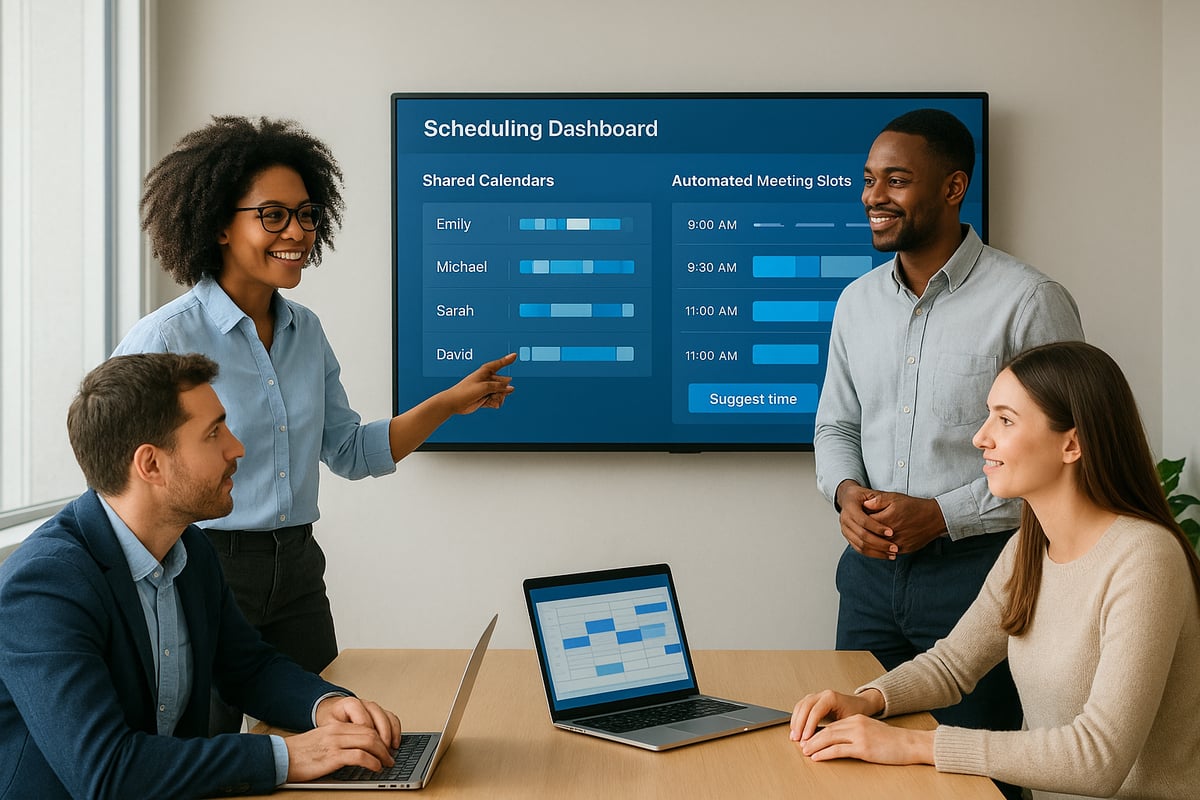
Keeping everyone’s schedule balanced is crucial. Shared calendars and resource management features let you see who’s free and who’s swamped. This helps distribute meetings fairly and prevents burnout.
Encourage team members to block out focus time and set clear availability. When you streamline client meeting scheduling, you make it easier to respect everyone’s workload and keep projects moving forward.
Reducing No-Shows and Late Arrivals
No-shows can throw off your entire day. Automated reminders and required confirmations are proven ways to cut down on missed meetings. Agencies using SMS reminders have seen no-shows drop by 35 percent.
By using these strategies to streamline client meeting scheduling, you’ll boost attendance and show clients that their time is valued. Reminders can be personalized too, making the process even more effective.
Ensuring Client Data Security
Security should never be an afterthought. Choose scheduling platforms that offer strong encryption and compliance certifications. Compare privacy features among top tools to ensure your clients’ information stays protected.
Building trust means showing clients you take their privacy seriously at every step of the scheduling process.
Enhancing the Client Experience Through Seamless Scheduling
Imagine a client landing on your branded scheduling page: it’s clean, intuitive, and feels like an extension of your agency. That’s the first step to streamline client meeting scheduling and instantly build trust. When every touchpoint is professional, clients feel valued before your first conversation.
Creating a Professional First Impression
A professional first impression matters. Branded, user-friendly booking portals show clients your agency values their time and experience. When you streamline client meeting scheduling, clients notice the difference immediately.
Custom scheduling pages can display agency logos, colors, and clear instructions. This creates consistency and signals reliability. Agencies using branded portals often see higher client satisfaction and faster responses.
Personalization and Client Preferences
Personalization is key to great service. Give clients options for meeting formats, durations, and preferred platforms. Letting clients book in their own language or choose accessibility features makes them feel understood.
When you streamline client meeting scheduling with these features, you show flexibility and care. Personalized scheduling often leads to better retention and stronger long-term relationships.
Integrating Scheduling with Onboarding and Project Management
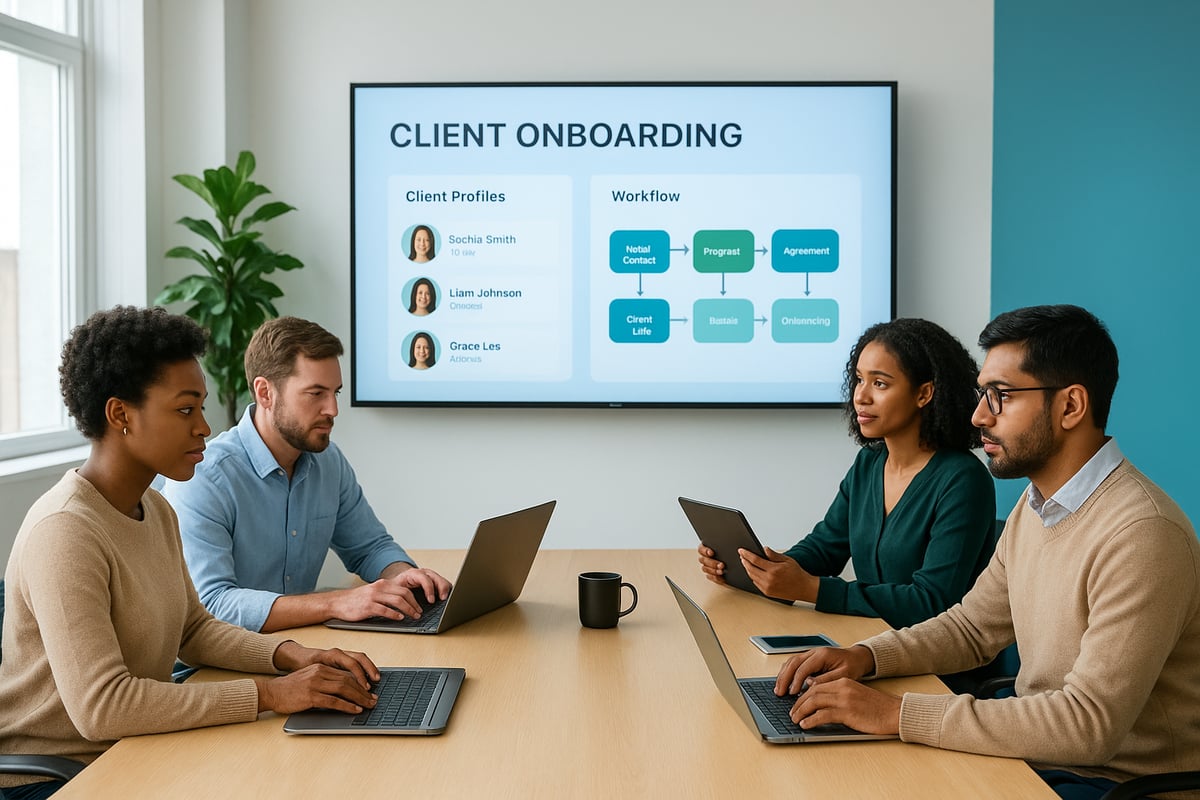
The best agencies connect scheduling with onboarding and project management. When you streamline client meeting scheduling, you cut down on back-and-forth communications and get projects started faster.
Integration means clients can book their kickoff call, complete onboarding steps, and access project resources from one place. This unified experience saves everyone time and prevents confusion about next steps.
Collecting Feedback and Continuous Improvement
Improving your process never stops. After each meeting, ask clients for feedback on the scheduling experience. Use client feedback management tools to collect insights and spot trends.
Making changes based on feedback helps you streamline client meeting scheduling further. Agencies that use feedback loops often see a noticeable boost in client satisfaction and smoother operations.
How SmartMetrics Empowers Agencies to Streamline Client Meetings
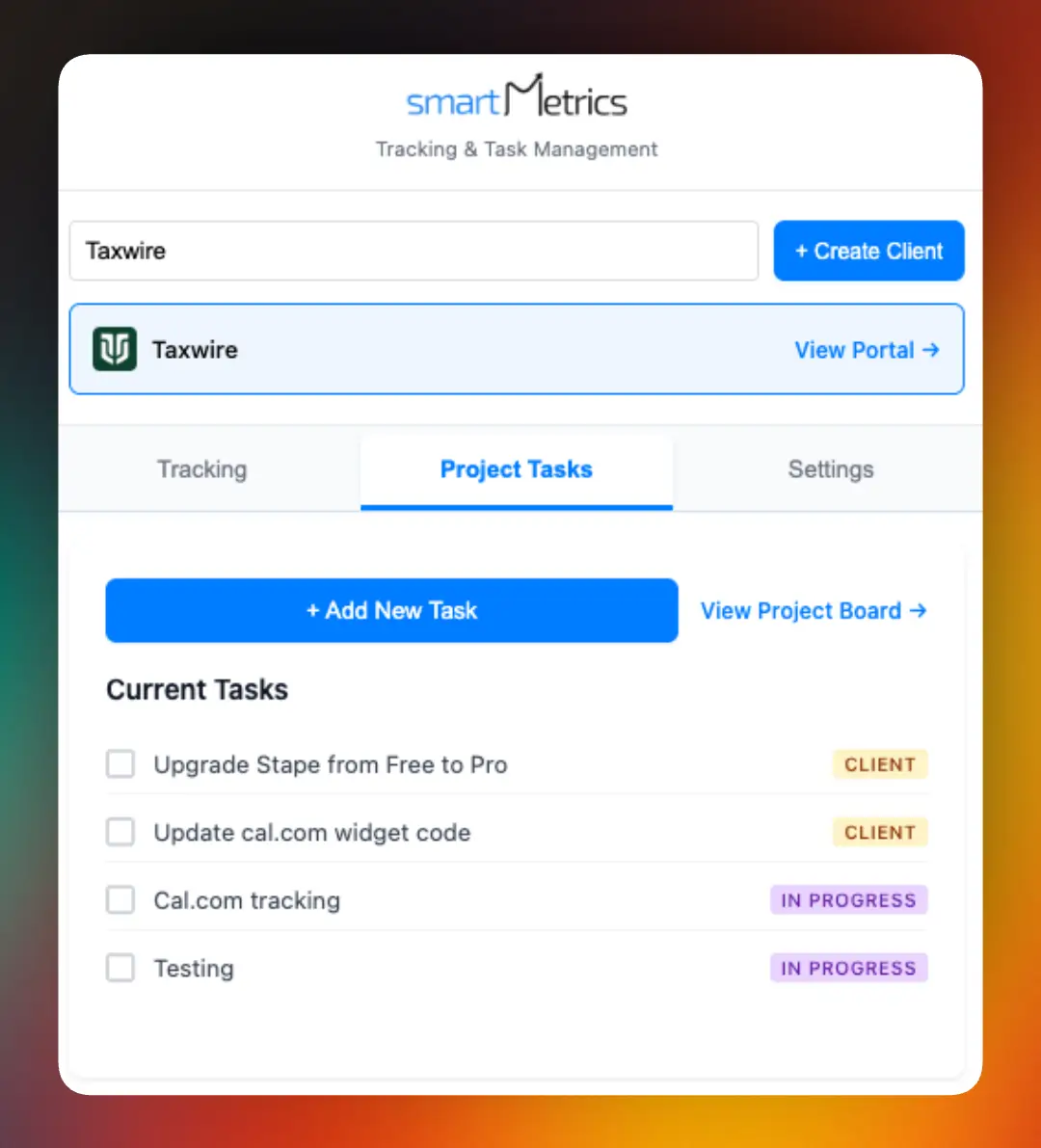
SmartMetrics offers agency-branded portals that make instant call booking easy. Automated onboarding features mean clients can get started in minutes, not days.
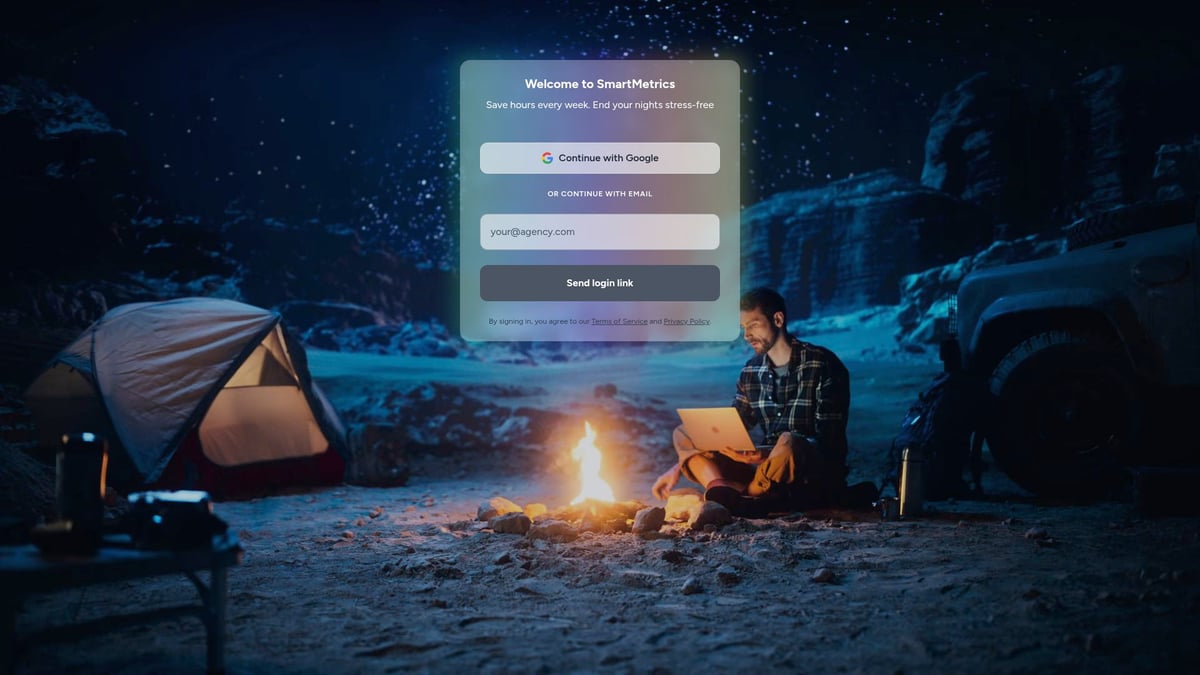
With integrated collaboration hubs and real-time project boards, every meeting and message is centralized. Automated reminders and analytics tools help agencies streamline client meeting scheduling, optimize frequency, and reduce no-shows. It’s an all-in-one solution designed for agencies that want efficient, scalable client interactions.
After seeing just how much time and energy agencies lose to messy meeting scheduling, it’s clear that a smarter approach isn’t just nice to have—it’s essential. With tools like SmartMetrics, you can finally leave behind the constant email ping-pong, branded portals make a great first impression, and automated reminders keep everyone on track. Imagine reclaiming hours each week while boosting client satisfaction and team morale. If you’re ready to transform your agency’s workflow and make scheduling effortless, why not Get Started for Free? It’s the first step toward less stress and more productivity.


 Gray Digital Group
 Blitzy
 PermitFlow
 Dj Haer Jr