Picture this: your agency just wrapped up a campaign that exceeded every target. Now, the real challenge begins—showing your client exactly what you achieved and why it matters.
In 2026, knowing how to present marketing reports to clients is crucial. Competition is fierce, and clients expect more clarity, transparency, and insight than ever before.
This guide walks you through every step, from understanding client expectations to structuring reports, choosing the best tools, telling stories with data, and running standout client meetings.
You'll learn proven methods to communicate results confidently and make your agency's value unmistakable.
Understanding Client Expectations in 2026
Understanding how to present marketing reports to clients is more crucial than ever. By 2026, clients aren’t just looking for numbers—they expect clear, timely insights that directly impact their business. Keeping up with these shifting expectations is essential for agencies and marketers who want to build trust and deliver value.

The Evolving Role of Marketing Reports
Since 2020, the landscape for how to present marketing reports to clients has changed dramatically. Clients now demand greater transparency, real-time updates, and clear evidence of ROI. They’re using these reports to inform quick decisions, not just to review the past.
Recent surveys show that 70% of clients expect real-time access to campaign data and performance metrics. This shift is driven by the rise of data-driven decision-making and the need for actionable insights at every stage of a campaign. If you want to stay ahead, you have to recognize that clients see reporting as a partnership, not just a deliverable. For more on these evolving client needs, check out the latest customer expectations in 2026.
Identifying What Clients Value Most
When thinking about how to present marketing reports to clients, it helps to step into their shoes. What matters most? Clarity, relevance, and brevity top the list. Clients often mention feeling overwhelmed by too much data or technical jargon.
For example, a marketing manager might share feedback like, "I just want to know what moved the needle this month." Others get lost in pages of charts without a clear takeaway. The solution? Tailor each report to the client’s specific goals, whether it’s brand awareness, lead generation, or sales. This focus shows you understand their business and respect their time.
Setting Clear Reporting Objectives
Before diving into how to present marketing reports to clients, set clear objectives with them upfront. This simple step ensures everyone is on the same page and that your reports are meaningful, not just routine.
In 2026, popular KPIs include customer lifetime value, multi-channel attribution, and engagement rates. By aligning your reporting content with your client’s business objectives, you demonstrate that you’re invested in their success. This alignment also makes it easier to highlight wins and identify areas for improvement.
Communicating Reporting Frequency and Format
Consistency is key when deciding how to present marketing reports to clients. Agree on a reporting cadence that fits their needs—weekly, monthly, or quarterly—and stick to it. Some clients prefer interactive dashboards, while others want polished PDFs or live presentations.
Each format has its pros and cons. Dashboards offer real-time updates and flexibility, but some clients favor the simplicity of a well-designed summary. According to AgencyAnalytics, 62% of agencies now use interactive dashboards for client reporting, highlighting the trend toward transparency and accessibility. The right choice depends on your client’s preferences and how they like to engage with data.
Structuring an Effective Marketing Report
A well-structured report can make all the difference in how to present marketing reports to clients. If your report is clear and logically organized, clients are far more likely to engage, understand, and act on your insights. Let’s dig into what makes a modern marketing report stand out.

Essential Components of a Modern Marketing Report
Every time you consider how to present marketing reports to clients, think about the essential building blocks. Start with an executive summary that highlights the campaign’s purpose, major wins, and key recommendations. Make it short—just a few sentences.
Next, outline the objectives and KPIs upfront, so clients know what success looks like. Include campaign highlights with brief explanations, then move to actionable insights and clear recommendations. Visual hierarchy matters: bold headings, clear sub-sections, and logical flow help clients navigate and retain information.
Example Executive Summary:
“In Q1, our paid social campaign drove a 20% increase in qualified leads, surpassing the goal by 8%. We recommend expanding budget allocation to capitalize on this momentum.”
Data Visualization: Making Metrics Meaningful
When you’re planning how to present marketing reports to clients, remember that visuals are powerful. Charts, graphs, and infographics transform raw data into stories that stick. People remember 65% of visual info compared to only 10% of text.
Before-and-after visuals, like a simple bar chart showing growth, make trends obvious. Use annotated graphs to clarify key points. If you want more on this, check out these data visualization best practices for actionable tips on clarity and engagement.
Combine visuals with concise explanations. This approach improves retention and keeps clients focused on what matters.
Customizing Reports for Different Clients
No two clients are alike, so how to present marketing reports to clients starts with knowing your audience. For C-suite executives, keep it high-level—think summary tables and clear ROI highlights. Marketing managers may want deeper dives into channel performance.
If you serve e-commerce, SaaS, or local businesses, use templates tailored to their industry’s language and KPIs. Dynamic, filterable dashboards let clients explore the data that matters to them. This customization shows you understand their business and builds trust.
Avoiding Common Reporting Pitfalls
Common mistakes in how to present marketing reports to clients include overwhelming them with data, skipping context, or leaving out clear next steps. It’s easy to fall into the trap of too many numbers and not enough narrative.
Focus on actionable insights—what worked, what didn’t, and what to do next. Use plain language, avoid jargon, and always highlight wins and opportunities. Agencies that improve report structure often see better client decisions and stronger relationships as a result.
Leveraging Tools and Technology for Seamless Reporting
Staying ahead in how to present marketing reports to clients means making smart use of technology. Agencies in 2026 rely on a blend of automation, user-friendly reporting platforms, and collaborative tools to deliver fast, accurate, and visually engaging insights. Let’s look at how the right tech stack transforms the entire reporting process.
Choosing the Right Reporting Platform
The first step in how to present marketing reports to clients is selecting a platform that fits your agency’s needs. In 2026, tools like Google Data Studio, Tableau, and AgencyAnalytics are popular for their integration options, white-labeling features, and automation capabilities.
When choosing a platform, look for seamless data integration, easy customization, and a user-friendly interface. Automation is essential—according to Forrester, 80% of agencies have automated at least part of their reporting process. This shift reduces manual work and errors, allowing teams to focus on analysis instead of data wrangling.
Automating Data Collection and Analysis
Automation is a game changer in how to present marketing reports to clients. By pulling data automatically from ad platforms, CRMs, and analytics suites, agencies save countless hours and minimize the risk of mistakes.
For example, using tools to automate client data imports can quickly gather campaign results into a single dashboard. This not only speeds up reporting but also builds trust—clients know they’re seeing the most up-to-date numbers. Automation ensures accuracy, so your team can spend more time on insight and strategy.
Enhancing Collaboration and Client Access
Collaboration is at the heart of how to present marketing reports to clients effectively. Modern agencies offer client portals and shared dashboards, giving clients real-time access to their data. This level of transparency is now expected, with agencies setting up permission controls to keep sensitive data secure.
Real-time access encourages ongoing dialogue. Clients can view results whenever they want, ask questions, and flag priorities. This approach fosters partnership, not just one-sided reporting, and builds confidence in your agency’s process.
How SmartMetrics Streamlines Agency Reporting
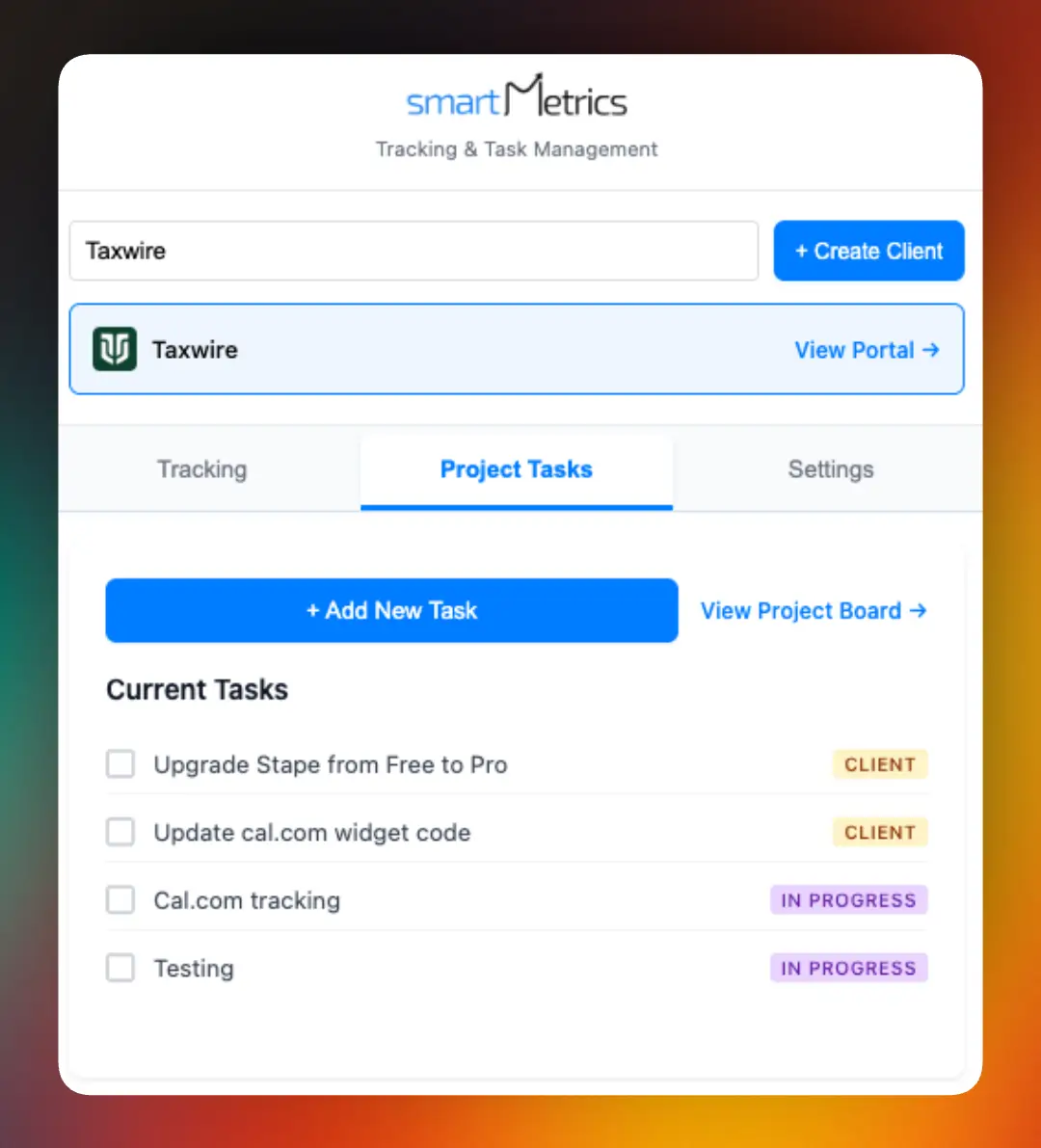
SmartMetrics has become a trusted solution for agencies looking to refine how to present marketing reports to clients. With agency-branded portals, automated audits, and real-time dashboards, SmartMetrics helps teams deliver polished, on-brand insights without the manual grind.

Agencies using SmartMetrics have reduced project cycles by more than 21 days and report up to 20 times faster. The streamlined process means clients get clarity and results faster, enhancing both their experience and your agency’s efficiency.
Storytelling with Data: Turning Numbers into Narratives
Numbers on their own rarely spark excitement. The real magic happens when you use those numbers to tell a story that aligns with your client's business ambitions. Knowing how to present marketing reports to clients in a way that makes data meaningful is what separates forgettable updates from presentations that drive action.

Framing Insights for Business Impact
When you’re figuring out how to present marketing reports to clients, start by linking every metric to a business outcome. Instead of saying, “CTR increased by 25%,” translate that into, “This boost in CTR led to 40% more qualified leads for your sales team.” This approach shows not just what happened, but why it matters.
Case studies help here too. For example, one agency tied a spike in engagement rates directly to a campaign tweak, then demonstrated how that change supported the client’s bigger revenue goals. If you want more tips on effective communication, check out client reporting best practices.
Using Visuals and Context to Drive Understanding
Data visualization is your secret weapon. People remember 65% of what they see visually, compared to just 10% of what they read. When thinking about how to present marketing reports to clients, use annotated charts, color-coded callouts, and infographics for clarity.
Pair each visual with a brief, jargon-free explanation. For instance, highlight the jump in conversions with a bold line graph, then add a note explaining the likely cause. This combination makes insights stick and helps clients absorb the “why” behind the numbers.
Addressing Challenges and Opportunities Transparently
Transparency builds trust. If a campaign underperforms, don’t shy away from showing it. Clearly outline what happened, what you’ve learned, and the steps you’ll take next. When you’re planning how to present marketing reports to clients, prepare scripts that acknowledge setbacks and pivot to solutions.
Clients appreciate honest conversations about both wins and losses. This openness positions your agency as a proactive, reliable partner, and it sets the stage for collaborative problem-solving moving forward.
Customizing the Story for Different Stakeholders
Not everyone in the room cares about the same details. Executives want the big picture—summary slides with key outcomes and strategic recommendations. Marketing managers or technical leads might want to dig into channel performance or attribution models.
Offer both: start with a concise overview, then provide appendices or interactive dashboards for those who want more depth. Tailoring your narrative ensures every stakeholder walks away with the information that matters most to them.
Best Practices for Presenting Reports to Clients
Presenting marketing results is more than sharing numbers—it's about building trust, sparking discussion, and driving action. If you're wondering how to present marketing reports to clients in a way that truly resonates, the process starts long before you’re in the meeting room.
Preparing for the Client Meeting
Preparation sets the stage for a successful report presentation. Start by reviewing your report thoroughly, anticipating the questions your client might ask. Rehearse key talking points, making sure your team is aligned on who covers which section.
Create a pre-meeting agenda and share it with your client in advance. This helps set clear expectations and shows you respect their time. Before the call or meeting, perform a last-minute check for data accuracy, broken visuals, or outdated insights. A simple checklist can catch small issues before they become distractions.
When thinking about how to present marketing reports to clients, remember that thoughtful preparation signals professionalism and care.
Delivering a Compelling Presentation
When it’s time to present, focus on clarity and engagement. Begin with a quick summary of objectives and key outcomes. Use visuals like charts or dashboards to spotlight wins and opportunities. Agencies often use live, interactive dashboards to make the session dynamic and transparent.
If you want to boost transparency and client trust, consider leveraging client access and sharing tools before, during, and after the meeting. This allows clients to explore the data in real time and ask informed questions.
Throughout your delivery, tie each insight to your client’s business goals. By framing the story this way, you’ll stand out in how to present marketing reports to clients.
Encouraging Two-Way Dialogue
Great presentations are conversations, not lectures. Encourage feedback by asking open-ended questions after each section. For example, “Does this trend match what you’re seeing in your business?” or “What concerns do you have about these results?”
Be ready for tough questions or objections. Listen actively, validate your client’s perspective, and respond with empathy. Interactive demos and real-time report exploration can turn curiosity into productive dialogue.
Making two-way communication a priority is essential for anyone mastering how to present marketing reports to clients. It builds trust and leads to richer insights for both sides.
Following Up for Continuous Improvement
The meeting doesn’t end when you close the report. Send a concise summary of key decisions, action items, and next steps within 24 hours. This reinforces accountability and shows your commitment to partnership.
Gathering feedback is just as important as the initial presentation. For practical strategies, check out this guide on how to ask clients for feedback, which can help you fine-tune future reports and strengthen your client relationships.
Continuous follow-up and openness to improvement are the hallmarks of agencies who excel at how to present marketing reports to clients.
Adapting Your Reporting Approach for the Future
Adapting how to present marketing reports to clients is crucial as the landscape evolves. With technology and client expectations shifting rapidly, agencies need to stay flexible and forward-thinking. Let’s explore how you can future-proof your reporting approach.
Staying Ahead of Reporting Trends
The future of how to present marketing reports to clients is being shaped by AI-powered insights, predictive analytics, and cross-channel attribution. Agencies are now expected to deliver smarter, faster, and more secure reporting as privacy rules tighten. According to Gartner, by 2026, 60% of agencies will use AI for report generation, making automation a standard rather than a luxury.
If you want to stay ahead, it’s worth exploring AI and automation in reporting, which dives into real-time insights and tools that make your data more actionable. Embracing these advancements means you can offer clients more valuable, timely information and demonstrate your agency’s commitment to innovation.
Upskilling Teams for Reporting Excellence
To keep up with changing trends, agencies must invest in training. That includes data literacy, visualization skills, and effective communication. Upskilling helps your team understand how to present marketing reports to clients in ways that resonate and drive action.
Consider organizing quarterly workshops or subscribing to online courses focused on the latest reporting tools. Agencies that prioritize continuous learning see better retention and more confident client interactions. Make learning a team activity, encouraging knowledge sharing and experimentation with new techniques.
Personalizing the Client Experience
Clients expect more than just numbers—they want reports that reflect their unique goals and challenges. Agencies mastering how to present marketing reports to clients are using dynamic dashboards, custom alerts, and tailored recommendations for every account.
For example, you might set up a dashboard that highlights only the KPIs your client cares about, with automated alerts for sudden changes. Personalization helps build trust and shows that you’re invested in your client’s success. Agencies that make reporting feel personal often win longer-term partnerships.
Measuring and Refining Reporting Effectiveness
To keep improving how to present marketing reports to clients, track how each report performs. That means gathering client feedback, monitoring engagement with dashboards, and reviewing which sections get the most attention. Use quarterly audits to identify areas for improvement.
A simple framework could look like this:
| Metric | How to Track | Why It Matters |
|---|---|---|
| Client feedback | Surveys, follow-up emails | Direct input |
| Engagement metrics | Dashboard analytics | See what clients use |
| Report usage | Download/view counts | Spot popular content |
Iterative changes based on this data will help you refine your approach, ensuring you’re always delivering reports that clients find valuable and actionable.
You’ve seen how the right approach to presenting marketing reports can transform client relationships, from understanding their evolving needs to mastering data storytelling and leveraging smart tools. If you’re ready to streamline your agency’s workflow and impress clients with polished, actionable reports—all while saving serious time—why not try out a platform built for agencies like yours? With SmartMetrics, you can put all these best practices into action using branded client portals, automated audits, and real time dashboards. Curious how it can work for your team? Get Started for Free and experience the difference firsthand.




 Gray Digital Group
 Blitzy
 PermitFlow
 Dj Haer Jr