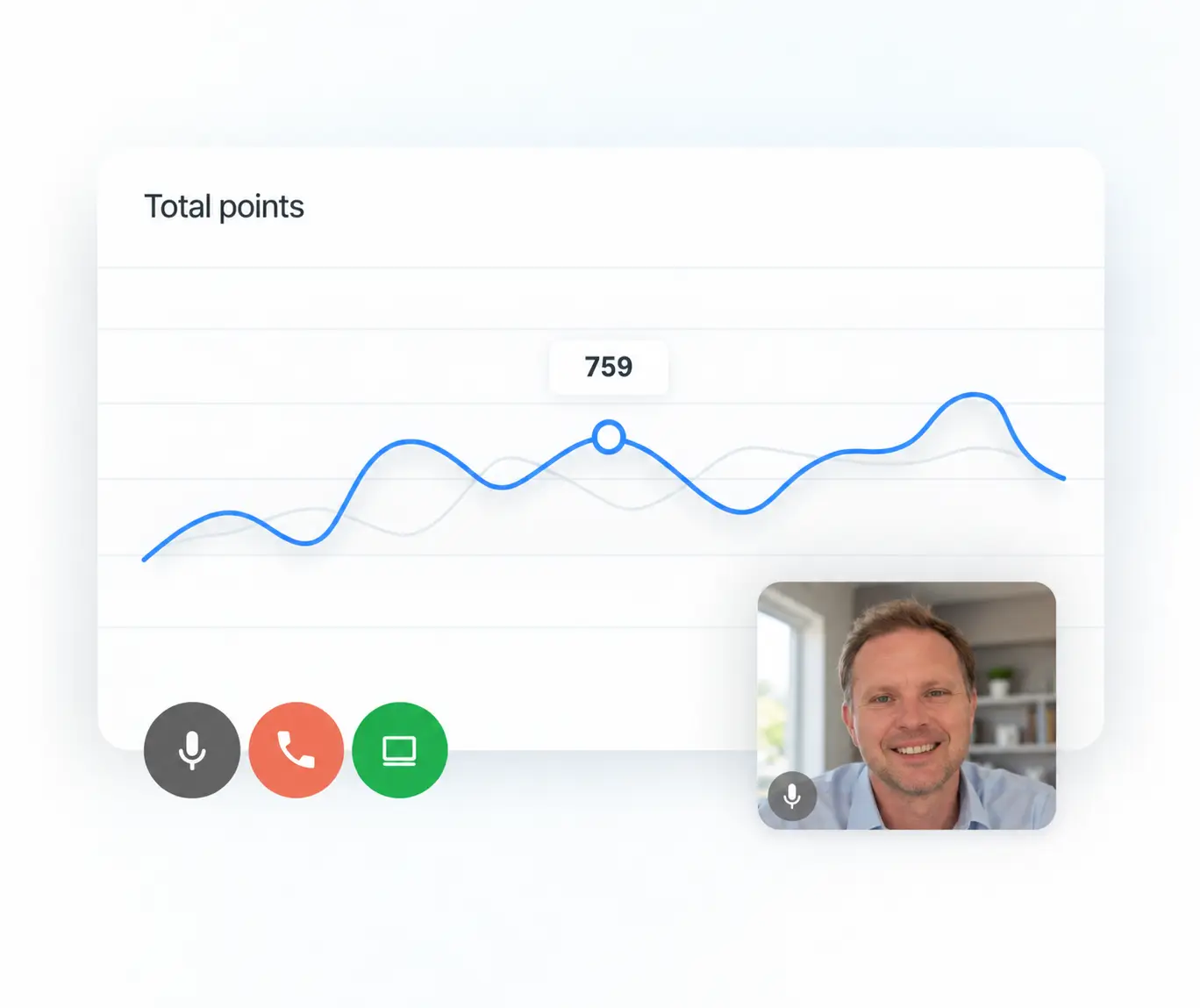
Did you know agencies with top-tier client satisfaction outpace competitors in growth by over 35 percent in 2026? For agency leaders, in today’s crowded, service-driven world, understanding your clients’ needs is essential to staying ahead. That’s where client satisfaction surveys for agencies come in, serving as a powerful tool to capture honest feedback and drive continuous improvement. This expert guide walks you through survey fundamentals, step-by-step creation, best practices for distribution, actionable analysis, and the trends shaping the future. Ready to boost retention and unlock new opportunities? Let’s dive in and transform your agency’s approach to client feedback.
The Importance of Client Satisfaction Surveys for Agencies
Understanding what clients think and feel is no longer a luxury for agencies—it’s essential for survival and growth. In the fast-paced world of marketing, digital, and creative services, client satisfaction surveys for agencies act as a compass, guiding decisions and shaping strategies that retain clients and attract new business.

Understanding Client Satisfaction in the Agency Context
Client satisfaction in agencies goes beyond a simple thumbs up or down. It’s about how well your team meets client goals, communicates, and delivers value. High satisfaction directly boosts retention, increases referrals, and strengthens your reputation.
Recent research shows agencies with high client satisfaction see up to 50% higher renewal rates (HubSpot, 2023). There’s a clear link between client satisfaction surveys for agencies and growth metrics, as these surveys provide actionable insights that drive improvement. For example, one agency that focused on improving its Net Promoter Score (NPS) saw a 30% rise in upsell opportunities.
To dig deeper into why these metrics matter, check out Understanding the Importance of Customer Satisfaction Scores, which explores how satisfaction impacts agency performance.
Key Benefits of Regular Client Feedback
Regular feedback is like an early warning system for agencies. With consistent client satisfaction surveys for agencies, you can:
- Spot issues before they escalate
- Build stronger client relationships
- Continuously improve your services
Agencies that use regular surveys report up to 25% lower churn (AgencyAnalytics, 2023). Feedback helps shape new offerings and supports smarter, data-driven decisions. For instance, an agency might notice from survey responses that onboarding needs improvement, so they refine their process, leading to happier clients and a smoother workflow.
By turning feedback into action, agencies not only retain more clients but also create services that truly meet evolving needs.
Common Challenges Without Structured Surveys
Without structured client satisfaction surveys for agencies, it’s easy to miss the signs of trouble. Some common pitfalls include:
- Warning signs of dissatisfaction going unnoticed
- Expectations between clients and teams becoming misaligned
- Problems being solved only after they’ve grown
Losing a client is far more costly than keeping one. Imagine an agency that loses a major account simply because no one asked how the client felt during a project. Relying on informal feedback increases the risk of missing key issues and can stall innovation, making it hard to stay competitive.
Research highlights the hidden costs of poor communication—lost revenue, damaged reputation, and missed growth opportunities. It’s clear that structured surveys are not just a best practice, but a necessity for every agency aiming to thrive.
Designing Effective Client Satisfaction Surveys: Step-by-Step
Designing client satisfaction surveys for agencies is both an art and a science. Every detail, from your goal to the final delivery, shapes the quality of feedback you’ll receive. Let’s break down each step so your surveys become powerful tools for agency growth.

Step 1: Define Clear Objectives
Start with clarity. Before creating client satisfaction surveys for agencies, pinpoint your objectives. Are you measuring retention, seeking upsell opportunities, or aiming to improve internal processes? Each goal shapes what you ask and how you analyze responses.
For example, onboarding surveys might focus on first impressions, while ongoing service surveys dig into account management and results. By defining specific, measurable objectives, you ensure your survey isn’t just a box-ticking exercise, but a strategic asset.
Step 2: Choose the Right Survey Method and Timing
Selecting the best method is crucial for successful client satisfaction surveys for agencies. Options include NPS, CSAT, CES, or a custom blend. Each has strengths: NPS for loyalty, CSAT for immediate impressions, and CES for process ease.
Consider how you’ll send surveys. Email and in-app options are popular for digital agencies, while phone surveys may suit high-touch clients. Timing matters too—post-project, quarterly, or after key milestones are all solid choices. For advice on timing and format, see Client Satisfaction Survey Best Practices.
Step 3: Craft Targeted, Actionable Questions
The heart of effective client satisfaction surveys for agencies lies in the questions. Keep them concise and directly tied to your objectives. Use a mix of quantitative (rating scales) and qualitative (open-ended) questions to dig beneath the surface.
Sample questions might include: “How likely are you to recommend us?” or “What’s one thing we could improve?” Avoid leading or vague questions. The right mix uncovers actionable insights, helping you spot trends and outliers early.
Step 4: Ensure Survey Accessibility and Anonymity
A survey is only as good as its response rate. Make sure your client satisfaction surveys for agencies are easy to complete on any device. Mobile-friendly designs and a quick, intuitive flow boost participation.
Anonymity encourages honesty. Consider allowing anonymous responses, as this can raise response rates by 15 to 20 percent, according to SurveyMonkey. When clients feel safe to share candid feedback, you get data you can trust.
Step 5: Test and Refine Before Launch
Never skip the pilot phase. Test your survey with a small group of clients and gather feedback from your account managers. Look for confusing questions, technical glitches, or anything that slows down completion.
Iterate based on what you learn. For example, if a pilot reveals that clients skip a particular question, rephrase or move it. Refining your survey before a full launch saves time and ensures your data is actionable.
Best Practices for Distributing and Collecting Client Surveys
Getting the distribution and collection of client satisfaction surveys for agencies right is essential if you want actionable results. Even the best survey questions fall flat if they never reach the right people or get ignored in crowded inboxes. Let’s break down the best practices that top agencies use to maximize their feedback loop.

Maximizing Response Rates
Boosting response rates for client satisfaction surveys for agencies starts with survey design and delivery. Shorter surveys, sent at the right moment, naturally see higher completion. Personalized invitations help clients feel valued, and studies show that personalized emails can increase response rates by 30 percent.
Incentives—like small discounts or early access to reports—can motivate participation without feeling forced. Timely reminders and a thoughtful follow-up process keep your survey top of mind. For more strategies on how to improve your survey engagement, check out Maximizing Customer Satisfaction Survey Response Rates.
Choosing the Right Distribution Channels
Selecting the right channels is key for getting client satisfaction surveys for agencies in front of busy clients. Email is still a go-to for many, but SMS and in-app notifications are gaining ground for their immediacy.
- Email: Best for detailed feedback and longer surveys.
- SMS: Great for quick check-ins or NPS.
- Client Portals: Useful for ongoing relationships.
- In-app: Perfect for digital product agencies right after service delivery.
Multi-channel approaches can increase engagement by up to 40 percent, ensuring your surveys aren’t missed.
Ensuring Data Quality and Integrity
Accurate feedback is the backbone of effective client satisfaction surveys for agencies. Start by confirming respondents are the right decision-makers. Use validation tools to prevent duplicate entries or biased results.
Prioritize privacy and compliance with laws like GDPR and CCPA. Encrypt stored data and clearly communicate privacy policies. Many survey platforms now automate these safeguards, making it easier to build trust and protect client data.
Leveraging Technology for Survey Management
Technology streamlines every step of managing client satisfaction surveys for agencies. Integrating surveys with your CRM lets you trigger feedback requests at key milestones. Automation platforms can schedule distribution, send reminders, and even flag unusual responses for review.
Many agencies now use dashboards to track survey results, cutting down on manual work and providing real-time insights. The right tech stack helps agencies stay proactive and responsive, turning feedback into a competitive advantage.
Turning Survey Data into Actionable Insights
Unlocking the true value of client satisfaction surveys for agencies starts with making sense of the data. Once responses roll in, it's time to translate numbers and comments into real improvements. Let’s walk through how agencies can turn feedback into real progress.

Analyzing and Interpreting Survey Results
When it comes to client satisfaction surveys for agencies, analysis is where the magic happens. Start by sorting responses into quantitative data, like NPS scores or ratings, and qualitative feedback, such as open comments. Both types reveal important truths.
For quantitative data, look for patterns in averages, but also check for outliers that might signal emerging issues. Qualitative feedback is gold for spotting trends and root causes. For example, if you see NPS scores dip after a project milestone, dig into open-ended responses for context.
A simple analysis table might look like this:
| Data Type | What to Look For | Example Insight |
|---|---|---|
| NPS | Score changes, trends | Drop after delivery phase |
| CSAT | Average, distribution | High variance by project manager |
| Open Comments | Keyword frequency | "Communication" mentioned often |
Remember, it's easy to get stuck on averages and miss the story in the comments. If you're looking to deepen your approach, check out How to Ask Clients for Feedback for actionable strategies that lead to richer data.
Communicating Findings to Internal Teams
Once you've made sense of the data from client satisfaction surveys for agencies, sharing insights internally is crucial. Create clear, visual reports or dashboards—these make it easy for everyone to see what’s working and what needs attention.
Share both positive feedback and areas for improvement. Transparency builds trust and motivates teams. Schedule regular review meetings to discuss results, brainstorm solutions, and celebrate wins.
A simple workflow might look like this:
- Gather and organize survey data.
- Summarize key findings in a visual dashboard.
- Present insights to teams in a meeting.
- Assign action items and set deadlines for follow-up.
This approach ensures everyone is aligned and ready to act.
Implementing Changes Based on Feedback
The real value of client satisfaction surveys for agencies comes from acting on what you learn. Start by prioritizing issues based on impact and urgency. Assign responsibility for each action and set clear timelines.
Close the feedback loop by letting clients know what changes you’re making. For example, if onboarding feedback highlighted confusion, update your welcome materials and tell clients about the improvements. Agencies that consistently act on feedback often see double the client retention rates compared to those that don’t.
Turning insights into action is where agencies move from good intentions to measurable results.
Monitoring and Measuring Impact Over Time
After implementing changes from client satisfaction surveys for agencies, it’s essential to track progress. Set clear KPIs—such as NPS, churn, or upsell rates—and monitor these metrics over time. Regular survey cycles help you spot trends and benchmark against industry standards.
Here’s a sample KPI tracking table:
| Metric | Baseline | Target | Current |
|---|---|---|---|
| NPS | 45 | 55 | 52 |
| Churn Rate | 15% | 10% | 11% |
| Upsell % | 12% | 18% | 17% |
To better understand how retention and churn affect your agency’s growth, read Understanding the Impact of Customer Churn on KPIs. Tracking and celebrating improvements keeps teams motivated and clients happy.
Future Trends in Client Satisfaction Surveys for Agencies
The world of client satisfaction surveys for agencies is evolving fast, and staying ahead of the curve is essential. As digital transformation accelerates, agencies are reimagining how they gather, analyze, and act on client feedback. Let’s look at the trends that will define the next chapter.
The Rise of Real-Time Feedback and AI Analysis
Real-time feedback is quickly becoming a game-changer in client satisfaction surveys for agencies. With the rise of AI-powered tools, agencies can now analyze sentiment as soon as a client responds, flagging issues before they escalate. This means teams can respond to dissatisfaction faster, turning potential churn into opportunities for delight.
AI doesn’t just speed up analysis—it helps agencies spot patterns in communication that humans might miss. For example, research on Predicting Client Satisfaction via Email Network Analysis demonstrates how analyzing email interactions can uncover early warning signs of dissatisfaction. By 2026, experts predict that 60% of agencies will adopt AI-driven surveys for quicker, more proactive service adjustments.
With client satisfaction surveys for agencies becoming smarter and more intuitive, leaders can ensure their teams are always one step ahead.
Personalization and Hyper-Targeted Surveys
Personalization is another trend reshaping client satisfaction surveys for agencies. Instead of sending generic questionnaires to everyone, agencies are now tailoring surveys to match each client’s journey or project stage.
Dynamic question paths adjust based on responses, making every survey feel relevant and engaging. This approach not only boosts completion rates but also uncovers specific insights that drive real change.
Agencies using personalized, hyper-targeted surveys often see deeper engagement and more actionable feedback, keeping their services closely aligned with client needs.
Integrating Surveys with Agency Productivity Platforms
Integration is key for agencies seeking to streamline feedback workflows. Connecting client satisfaction surveys for agencies with project management or CRM systems automatically syncs responses, triggers alerts, and reduces manual work.
With everything in one place, teams can monitor trends, assign follow-up tasks, and close feedback loops efficiently. Integrated platforms also help agencies respond faster, improving the overall client experience.
For agencies aiming to scale, these integrations are becoming as essential as the surveys themselves.
Preparing for Evolving Client Expectations
As expectations rise, agencies must innovate continuously in how they collect and act on feedback. Clients now want transparency, faster responses, and visible proof that their opinions shape agency decisions.
Staying ahead means adopting new survey methods, being open about how feedback is used, and fostering ongoing dialogue. Agencies that embrace these changes will build stronger relationships and set themselves apart in a digital-first landscape.
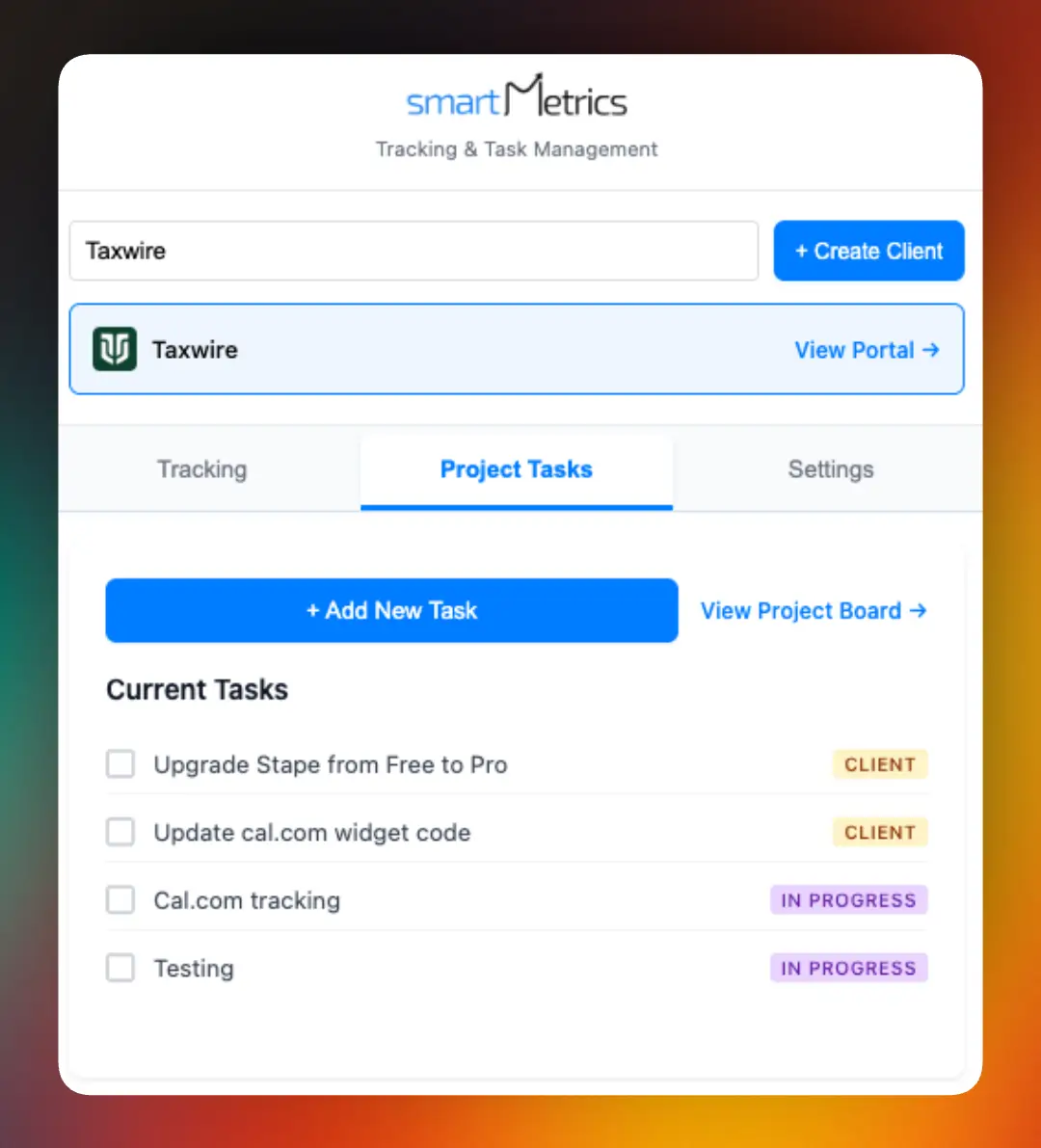
As you’ve seen, designing and using thoughtful client satisfaction surveys can completely transform the way your agency builds relationships and drives growth. When you combine targeted feedback with the right productivity tools—like branded client portals, automated audits, and collaboration hubs—you’re not just collecting data, you’re setting the stage for smarter decisions and happier clients. Ready to put these strategies into action and see real results for your agency? You can explore all the smart features and even try them out at no cost—just Get Started for Free.



 Gray Digital Group
 Blitzy
 PermitFlow
 Dj Haer Jr